 Yunus Emre Institute
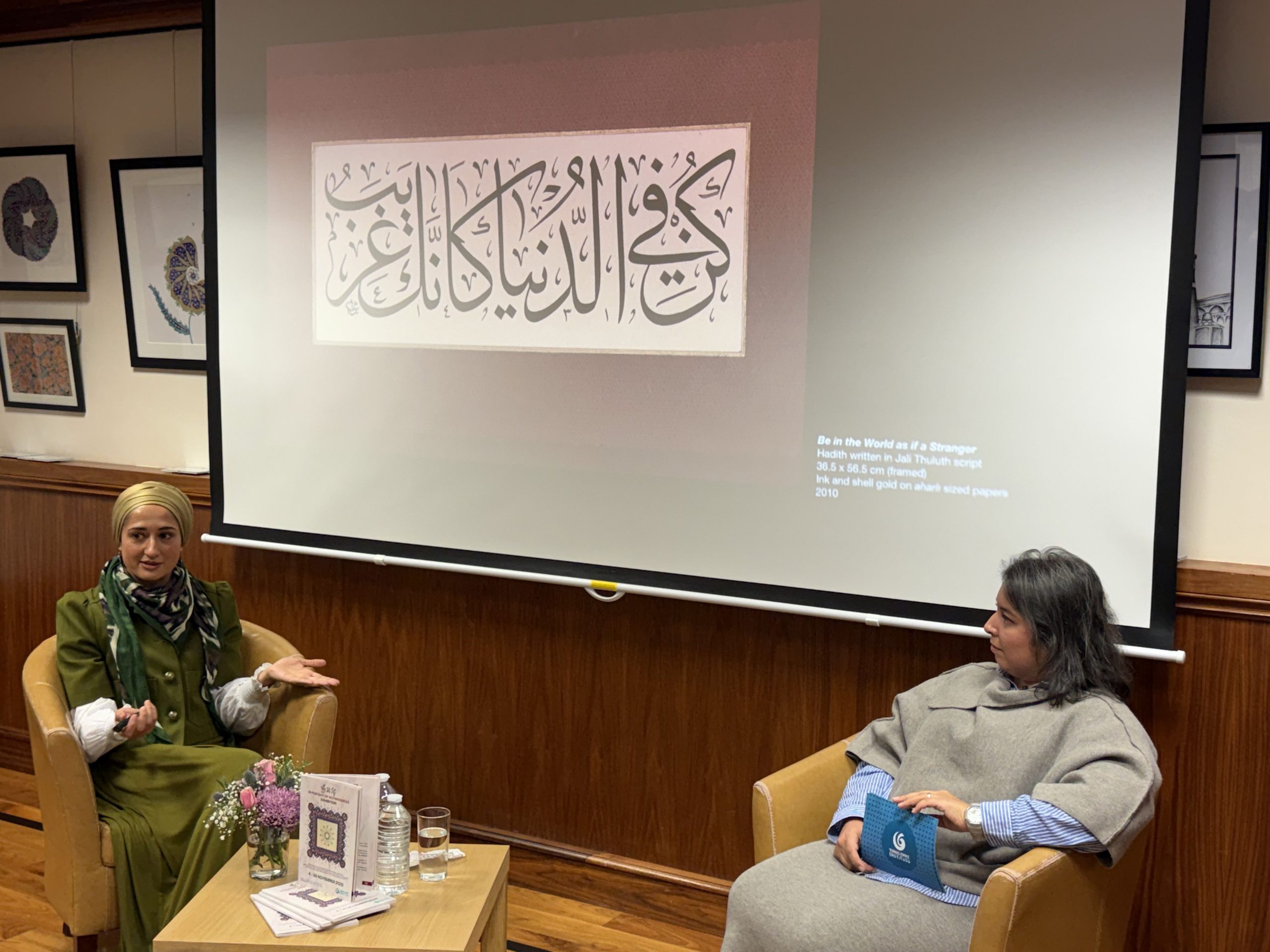
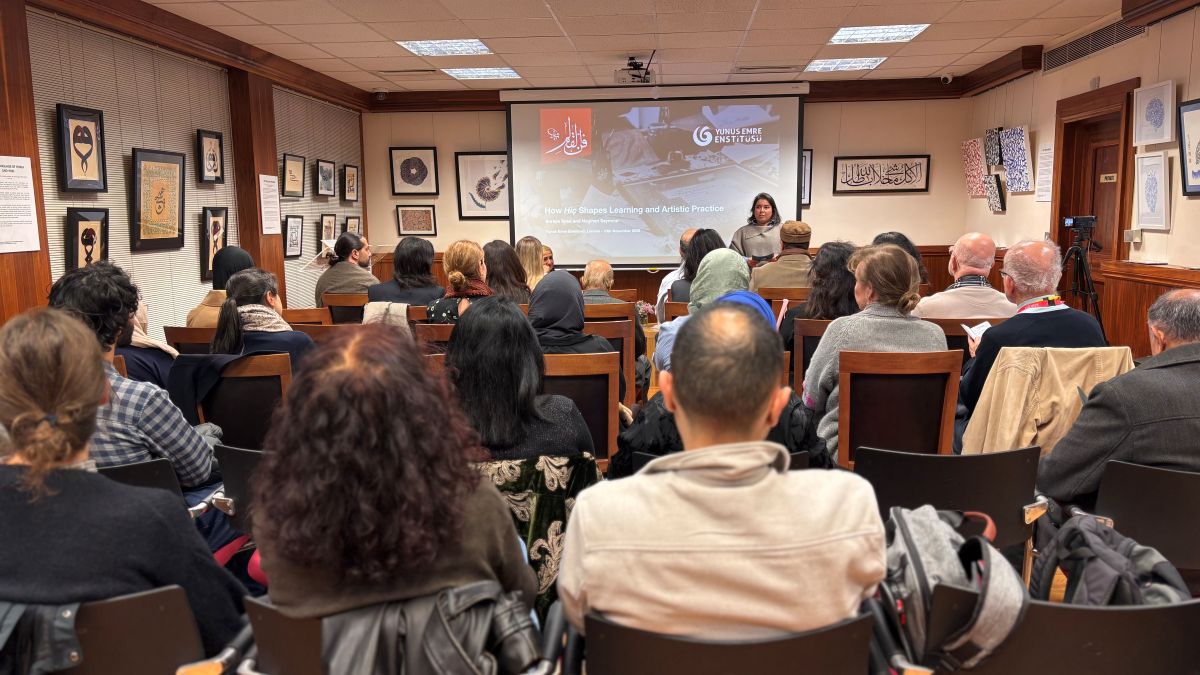
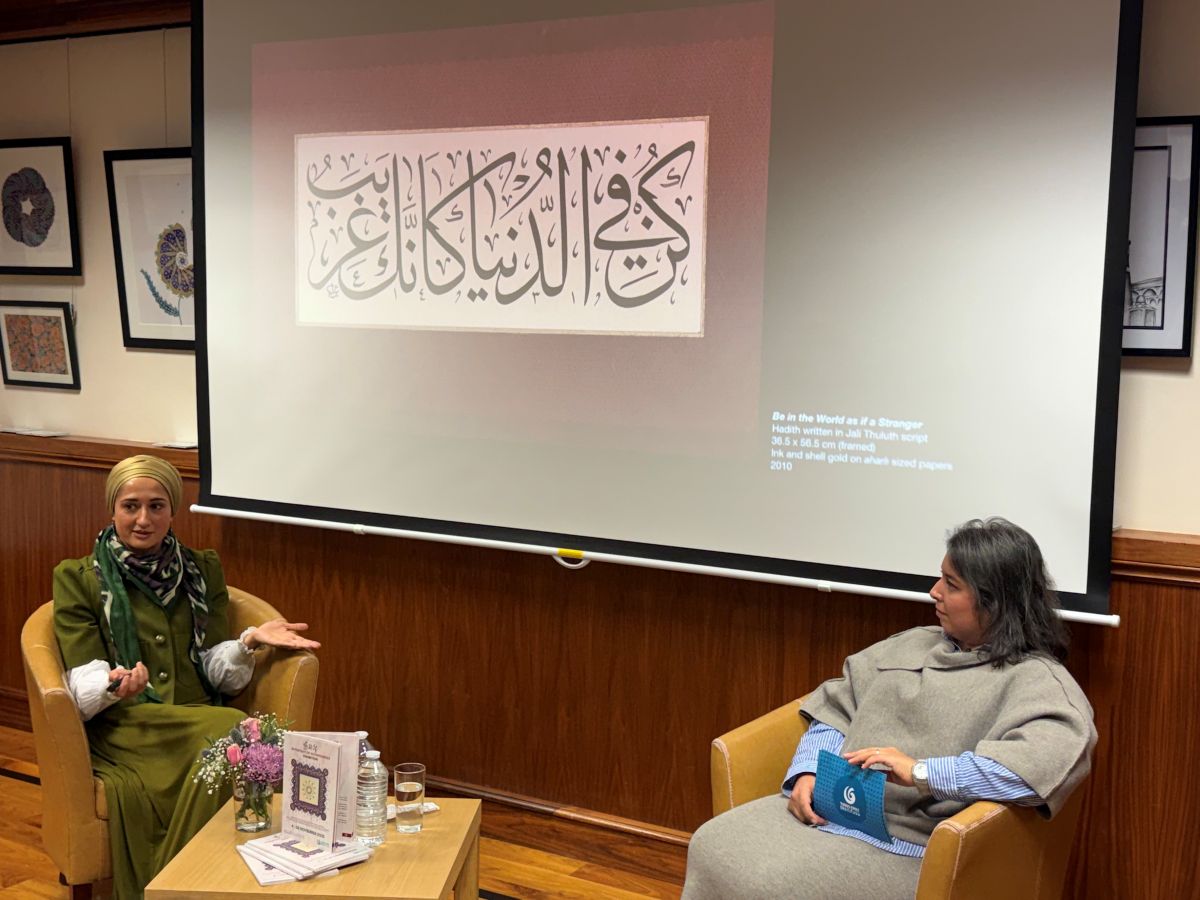
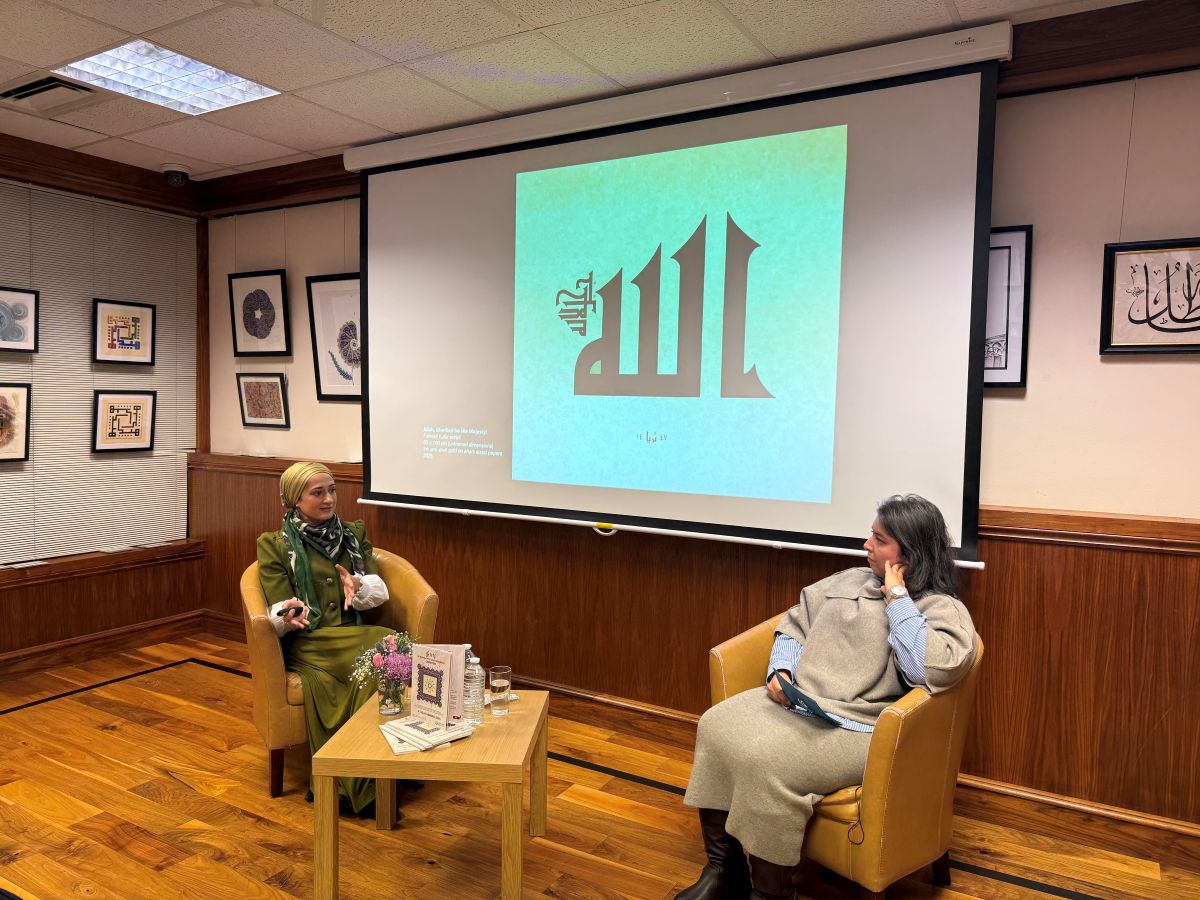
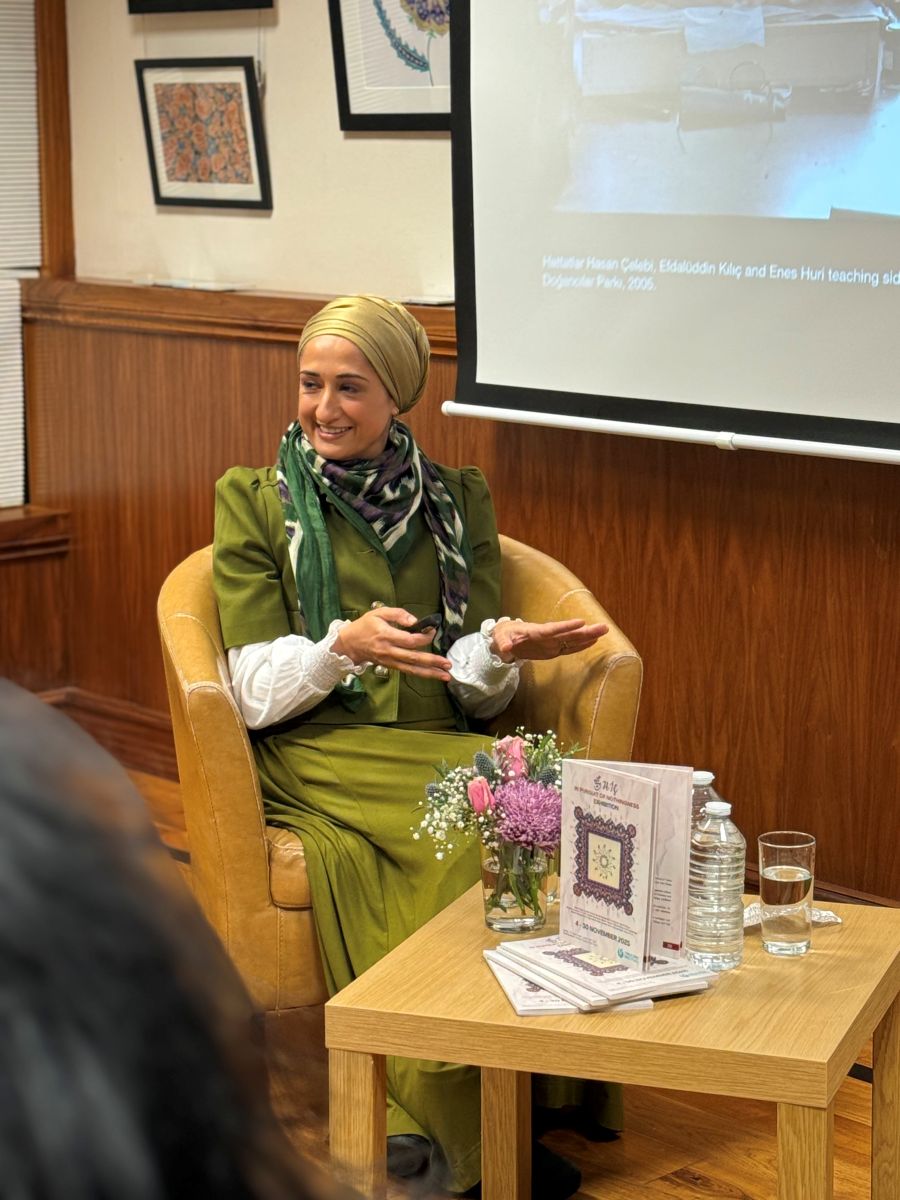
Organised by Yunus Emre Enstitüsü – London, The Art of Disappearance: How Hiç Shapes Training and Artistic Practice took place on Thursday, 13 November 2025, at 7:00 PM at Yunus Emre Enstitüsü – London as part of the HİÇ: In Pursuit of Nothingness exhibition programme.
In this reflective conversation, Soraya Syed and Nagihan Seymour explored how the Sufi principle of hiç – nothingness – lies at the very heart of artistic discipline and transmission. Trained within the demanding tradition of Islamic calligraphy and illumination, both artists have encountered hiçlik not as an abstract idea but as a lived process: a gradual effacement of ego that allows the work to transcend the maker. Through their exchange, they invited audiences to consider how true artistic continuity depends not on assertion of self, but on its deliberate withdrawal.
The discussion opened with reflections on their formative years of training, where repetition, precision, and humility serve as the silent architecture of mastery. The act of writing—of surrendering to line, proportion, and breath—becomes both a technical and spiritual exercise, through which the artist learns to “become nothing” so that the tradition may live through the hand. From this foundation, Syed and Seymour turn to their experiences as teachers, examining how the ancient chain of transmission (silsila) continues through those who carry its discipline into contemporary practice.
As they navigate the tensions between individuality and lineage, visibility and invisibility, they ask what it means to create within a world that rewards self-promotion yet is built on traditions of self-erasure. Their dialogue moved between philosophy, pedagogy, and lived experience, revealing how disappearance and endurance, silence and articulation, co-exist within the creative act.
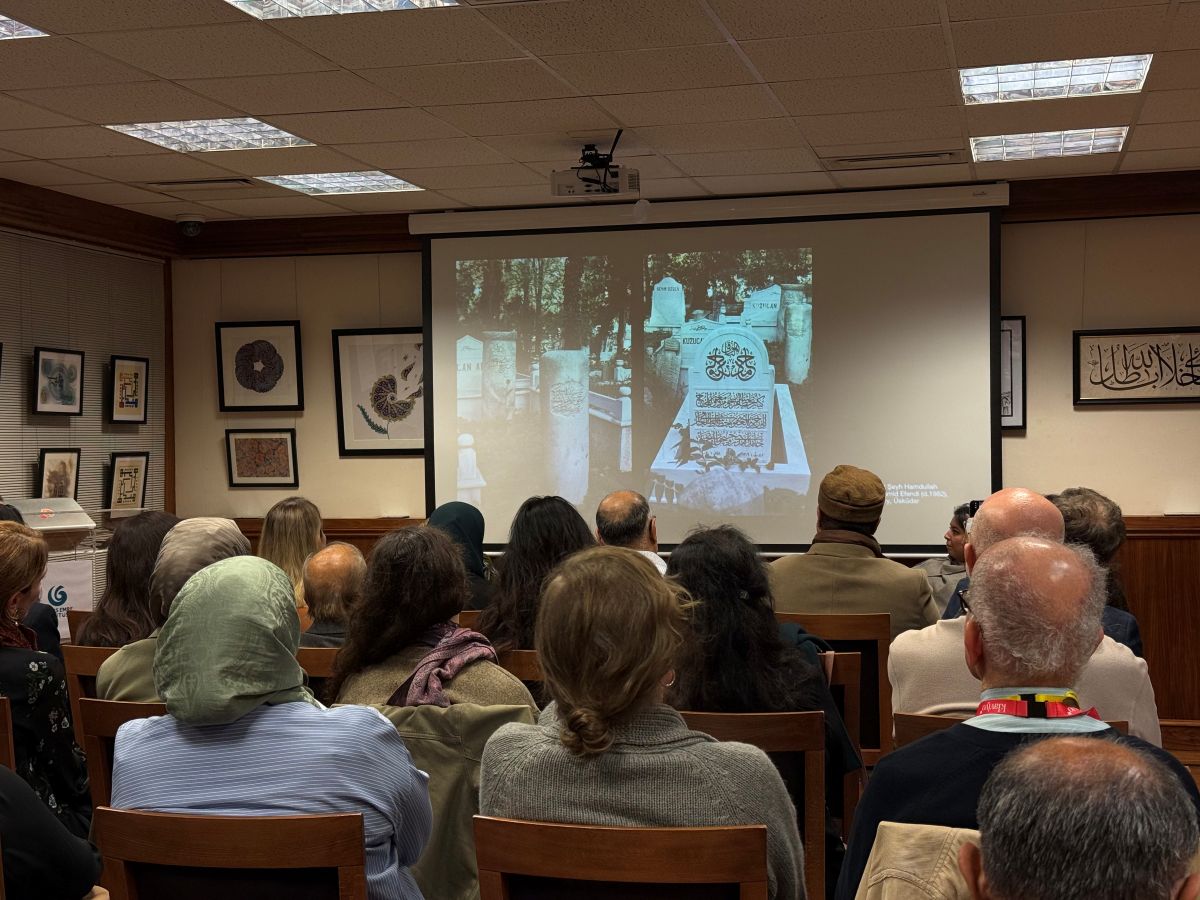
The session will also featured selected images from Soraya Syed’s artistic portfolio, illuminating how the gestures of ink, breath, and stillness manifest the metaphysics of hiç. The conversation thus extends beyond calligraphy to encompass the broader relationship between art, devotion, and self-transcendence—between form and the formless.
By situating the notion of hiç within the living context of artistic practice, this event offers more than a discussion—it invites a rethinking of what it means to make art at all. To become nothing, in this sense, is not to disappear, but to become transparent to the essence that moves through all creation.