 Yunus Emre Institute
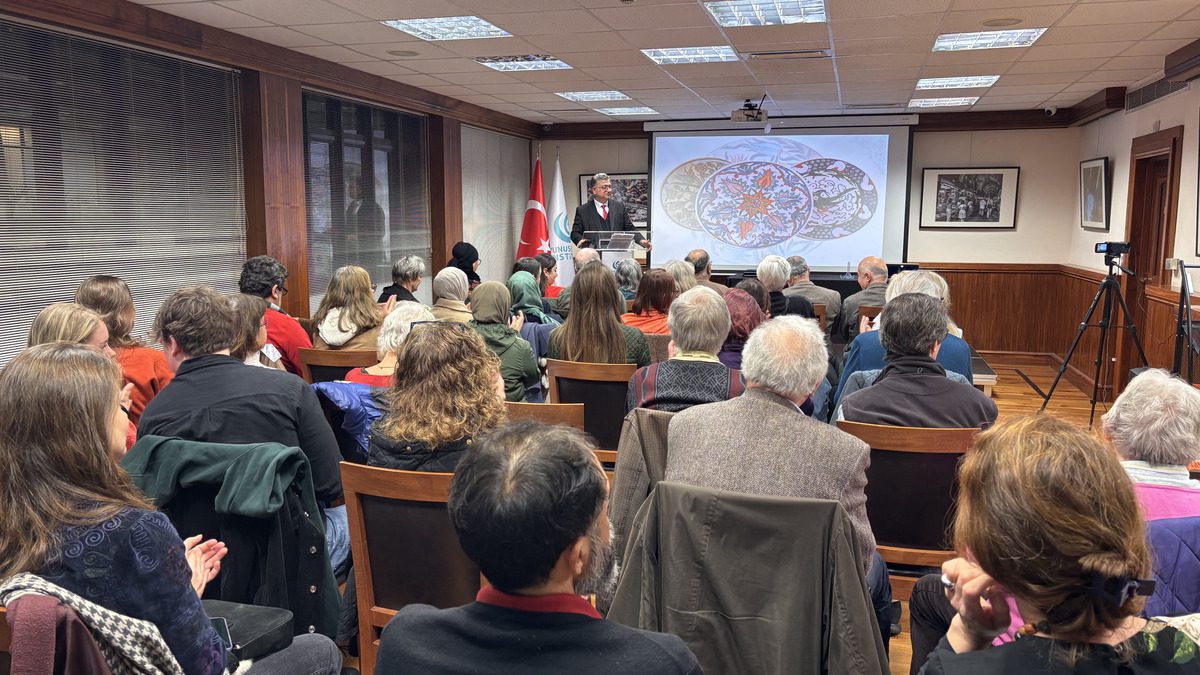
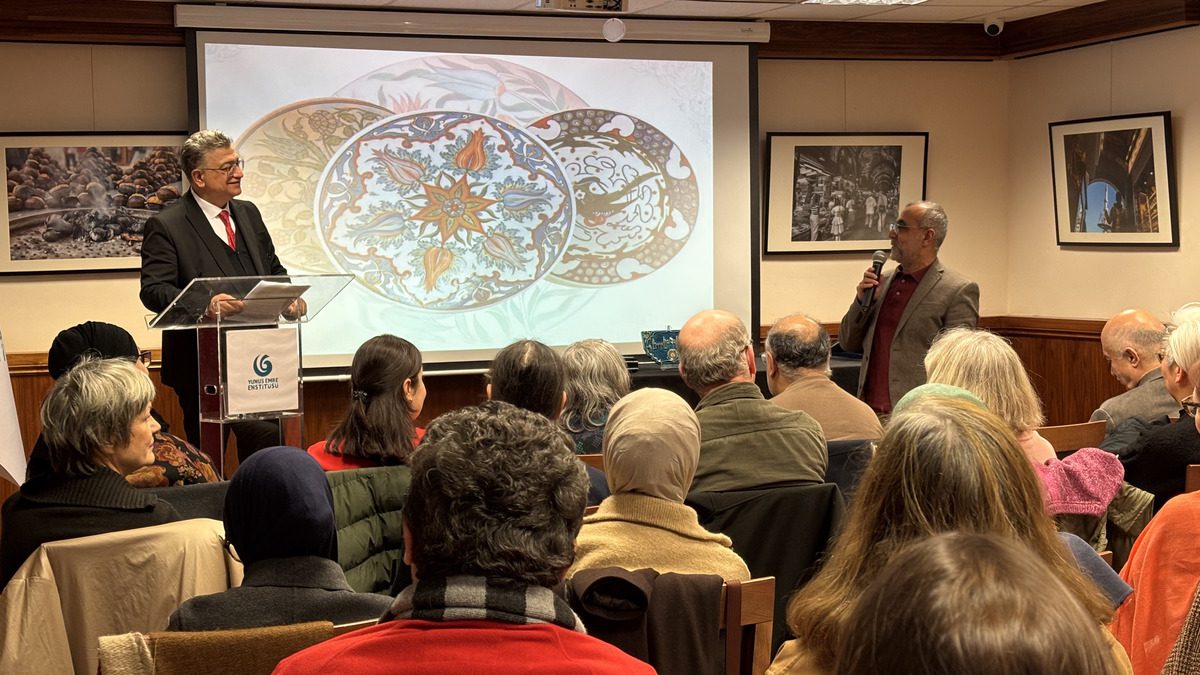
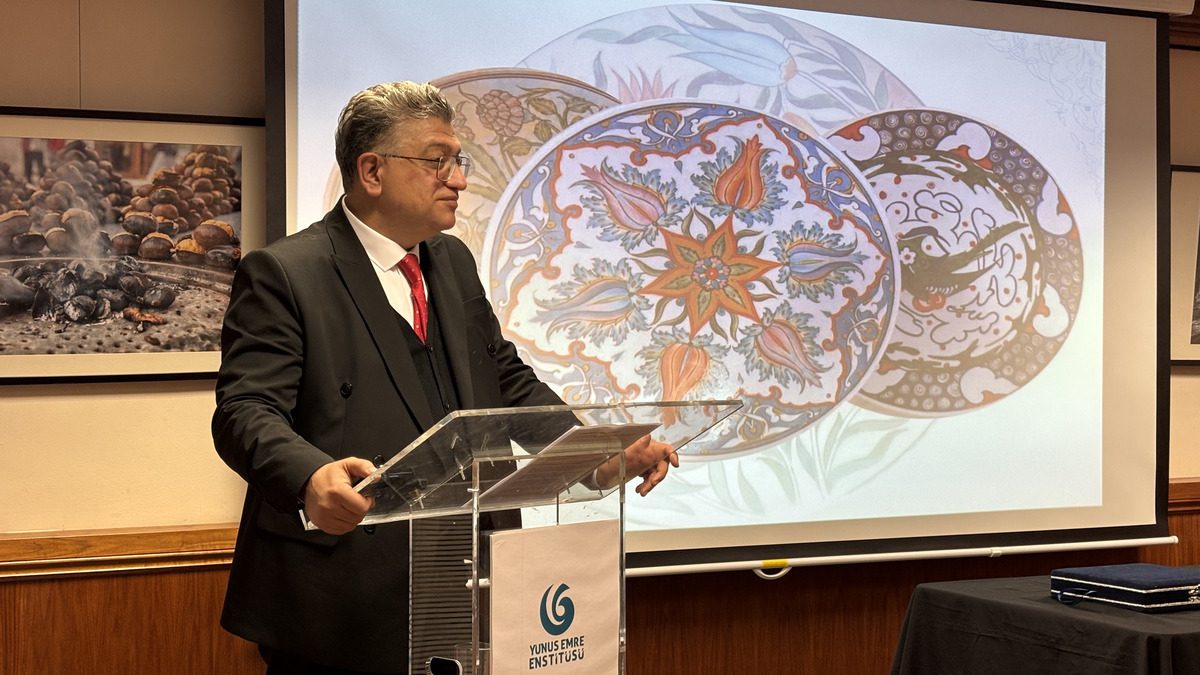
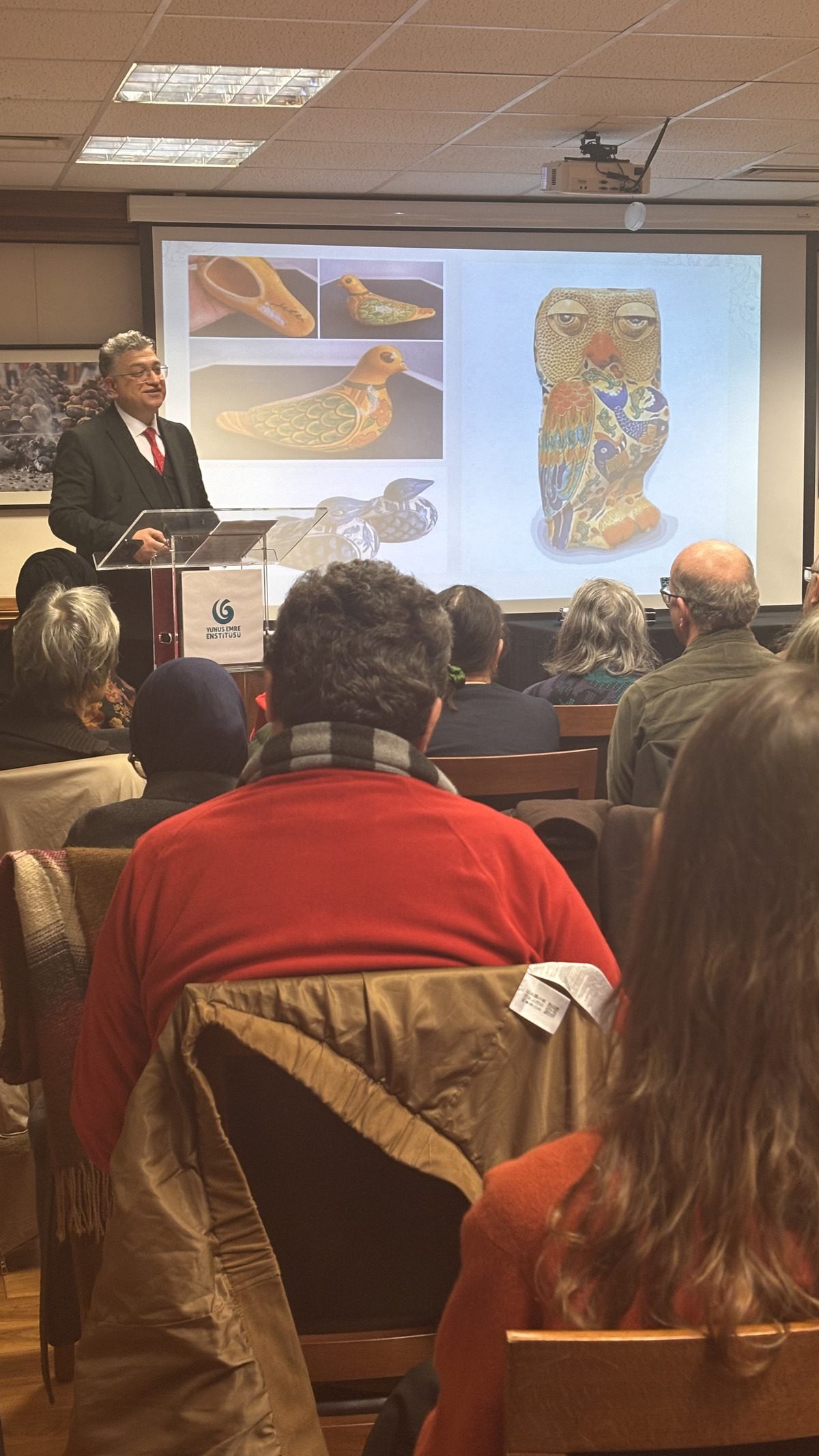
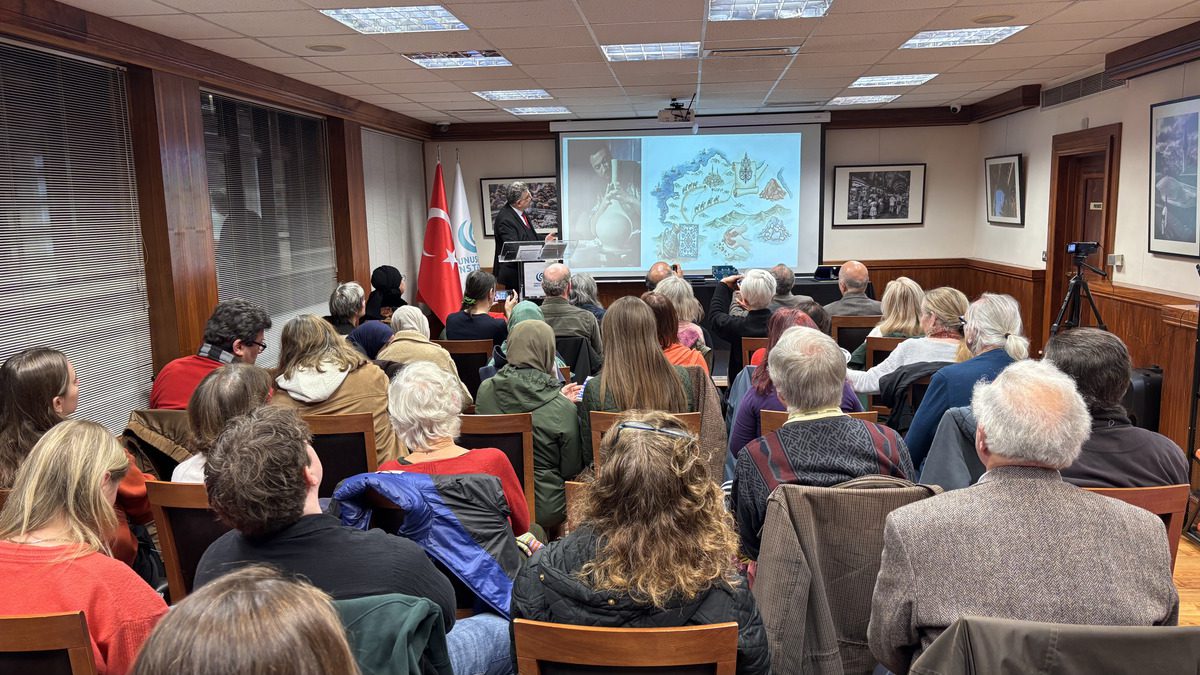
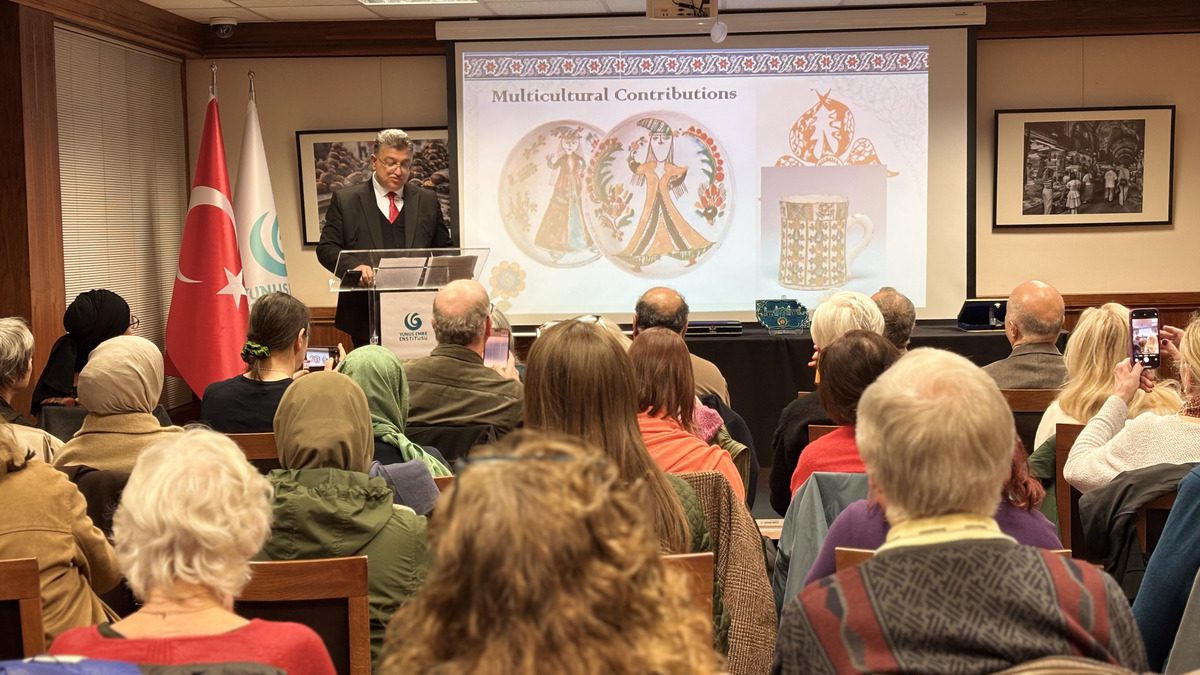
Yunus Emre Enstitüsü – London hosted a deep academic and cultural exploration into one of Turkey’s most beloved art forms. The session, titled “The Timeless Splendor of Turkish Tile Art: Kutahya Tiles,” offered a meticulous journey through time, tracing the evolution of ceramics from the heart of Turkestan to the historic kilns of Anatolia.
The seminar began by dismantling a common historical misconception regarding the very word used for these masterpieces. Participants explored the architecture of terminology, learning that until the 18th century, the word çini was largely absent from the Ottoman lexicon. Instead, the preferred term was “kâşî,” a Persian-rooted name derived from the city of Kashan, which served as a legendary hub of ceramic excellence. The transition to the word çini, meaning “Chinese-like,” only took hold in the 18th and 19th centuries as the global allure of Chinese porcelain reached the Ottoman markets. This conceptual shift represented much more than a name change; it was a testament to the impact of global trade and cultural exchange on the Turkish artistic identity.
The discussion moved from language to history, tracing the migration of art from Central Asia to Anatolia. The arrival of Turkish artistic tradition in the 11th century was framed not merely as a movement of people, but as a sophisticated transfer of a state-sponsored civilization. Under the protective umbrella of the Seljuk and Ottoman states, ceramic art was transformed from a nomadic craft into an institutionalized urban tradition. Kütahya emerged as the protagonist of this story because, unlike centers such as Iznik that were strictly tied to the direct patronage of the Imperial Palace, Kütahya developed a more resilient and social production model. It was a city where the architecture of storytelling was written on everyday objects—cups, plates, and bowls—just as much as it was on the walls of monumental mosques.
The seminar highlighted why Kütahya outlasted many of its contemporaries through its unique ability to adapt. While the palace-dependent Iznik workshops struggled as central power shifted, Kütahya thrived by serving a diverse patronage that included local residents, various religious communities, and international markets. The discussion shed light on the vital role of the city’s Armenian artisans, whose international trade networks integrated Persian and Chinese motifs into the Kütahya repertoire. This economic adaptability allowed the city to pivot during the 19th-century decline of traditional arts, focusing on items like coffee cups that became the aesthetic heartbeat of Ottoman social life.
The evening concluded with a communal reflection on the Kütahya style. Attendees noted that while Iznik represented the “Classical Age” of imperial grandeur, Kütahya represented the enduring soul of the people. Its art remained flexible, adapting to the Baroque influences of the 18th century and surviving into the modern era through a deep-rooted master-apprentice tradition. As the group examined the archaeological reach of Kütahya ceramics—found in shipwrecks from Amsterdam to the East India Company—it became clear that this city was never just a provincial outpost. It was a global center of an aesthetic resistance, proving that as long as the clay is fired and the patterns are drawn, the story of Anatolia continues to glow.