 Yunus Emre Institute
In collaboration with the Salaam Festival, Yunus Emre Enstitüsü – London proudly hosted a special cultural programme at the University of Manchester celebrating the depth and continuity of Türkiye’s artistic and spiritual heritage. Bringing together music, craftsmanship, and communal reflection, the evening offered audiences an immersive encounter with traditions that have shaped Anatolian culture for centuries.
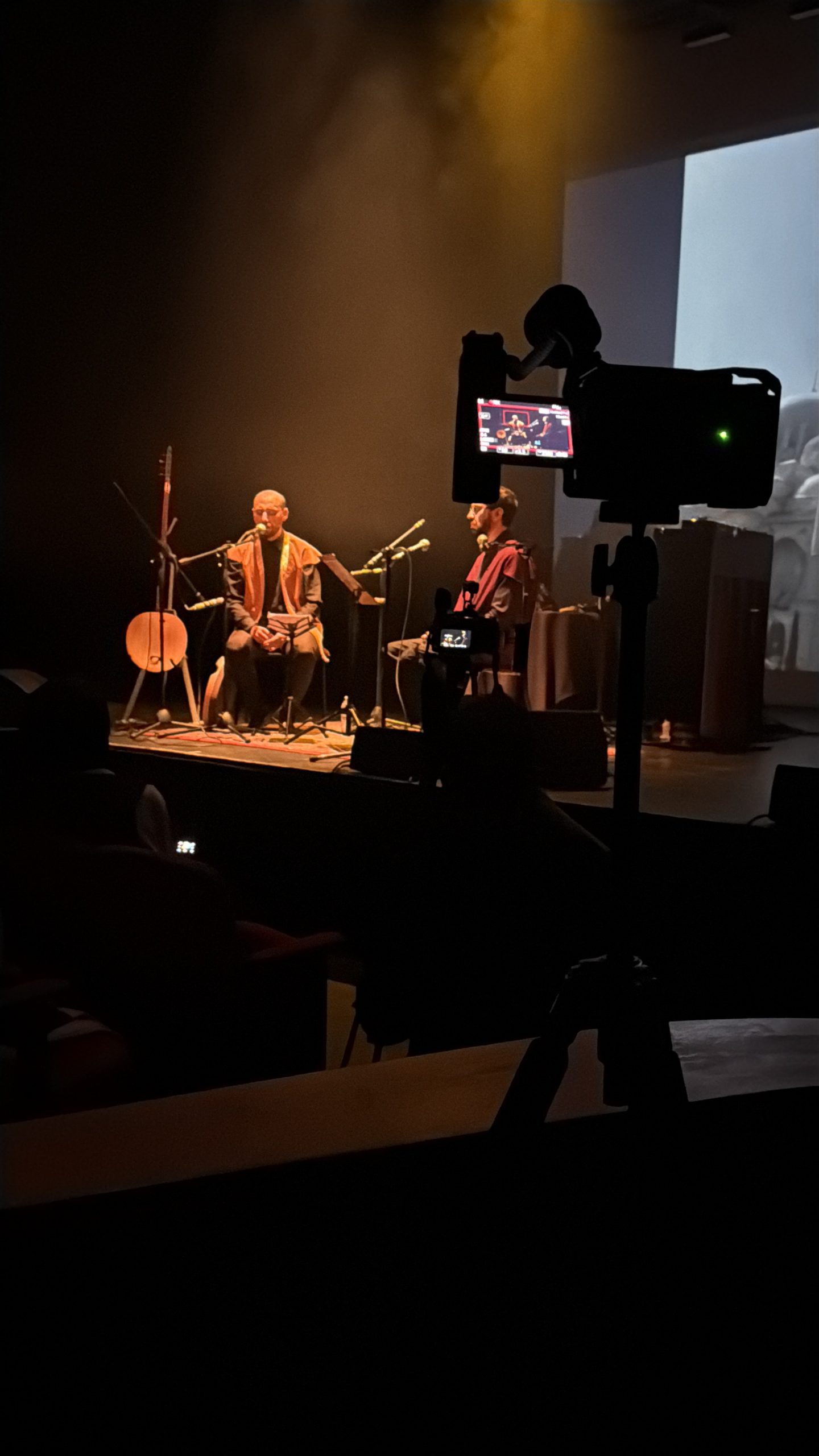
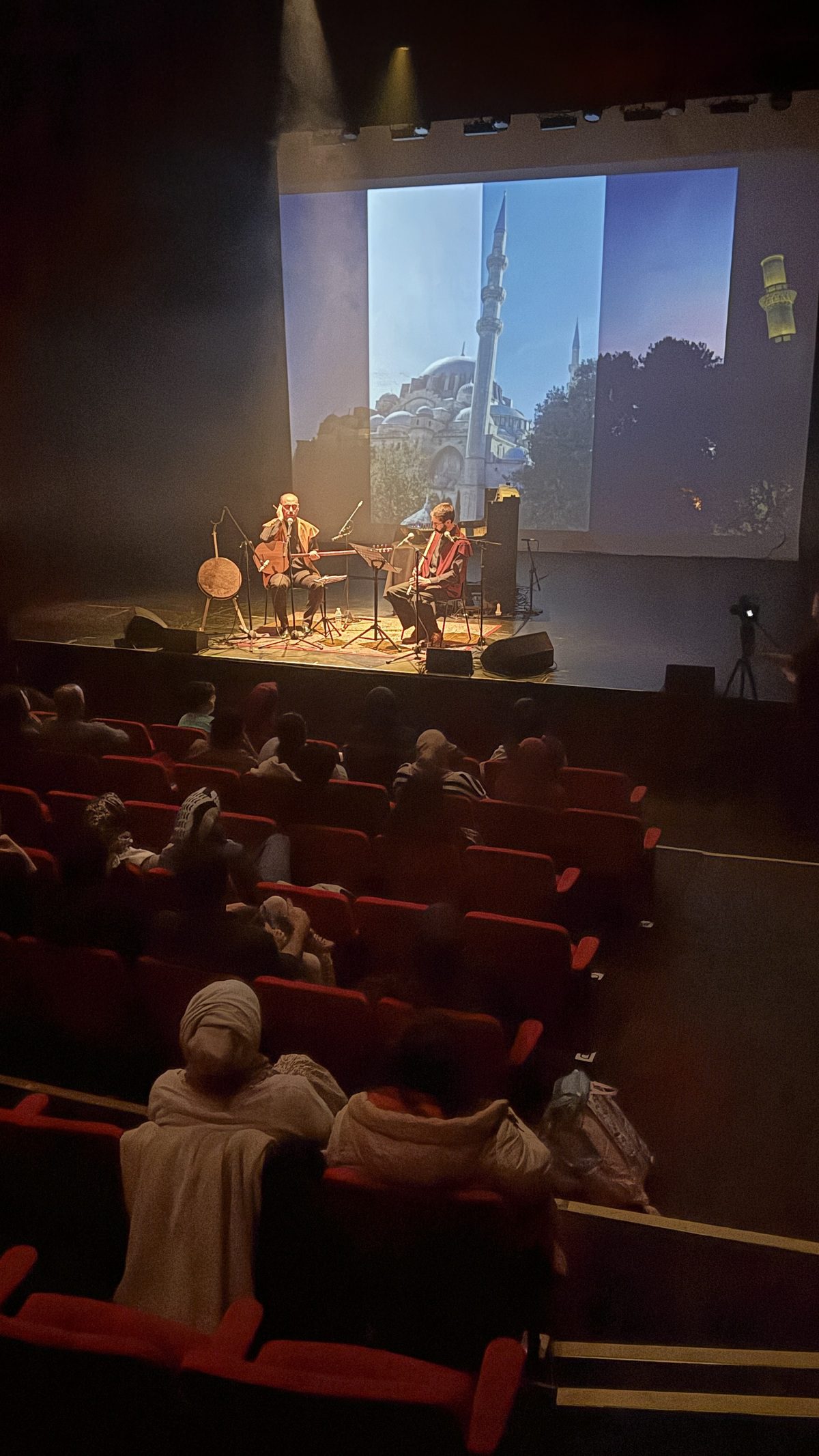
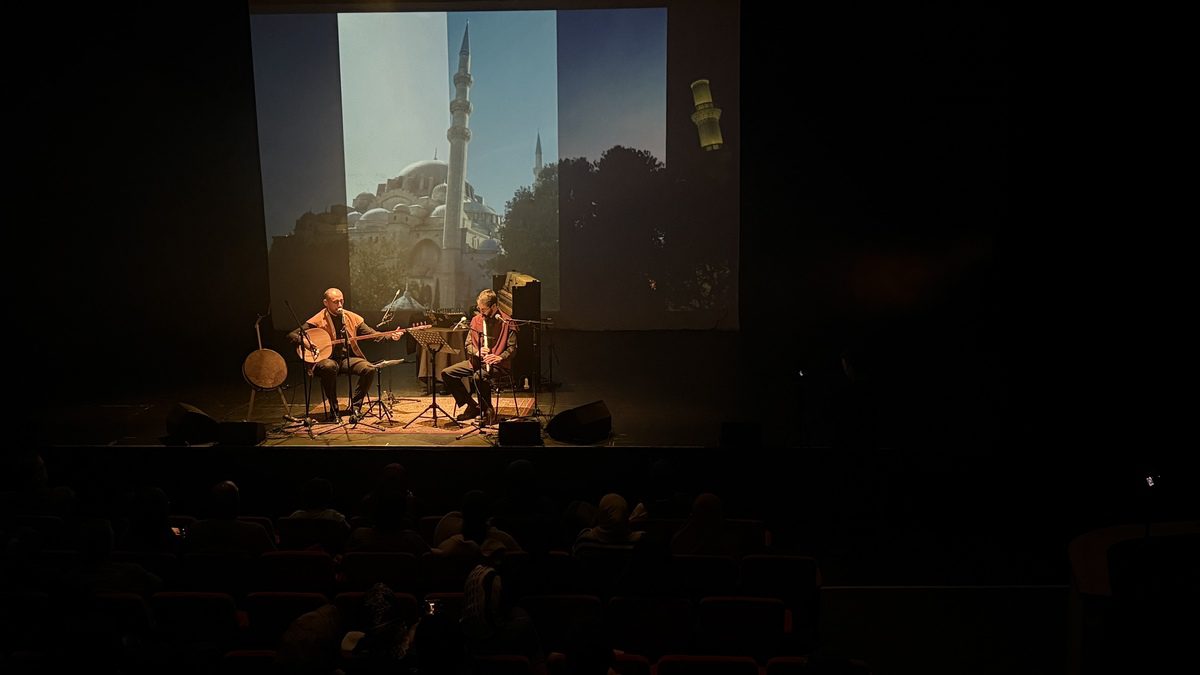
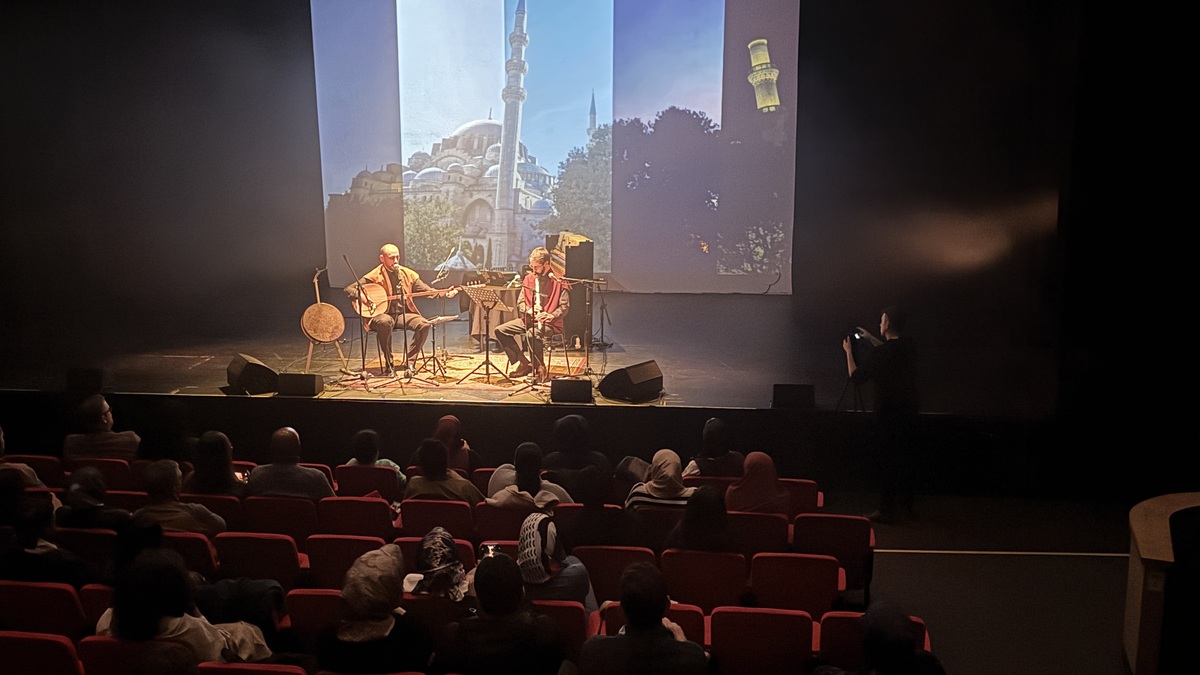
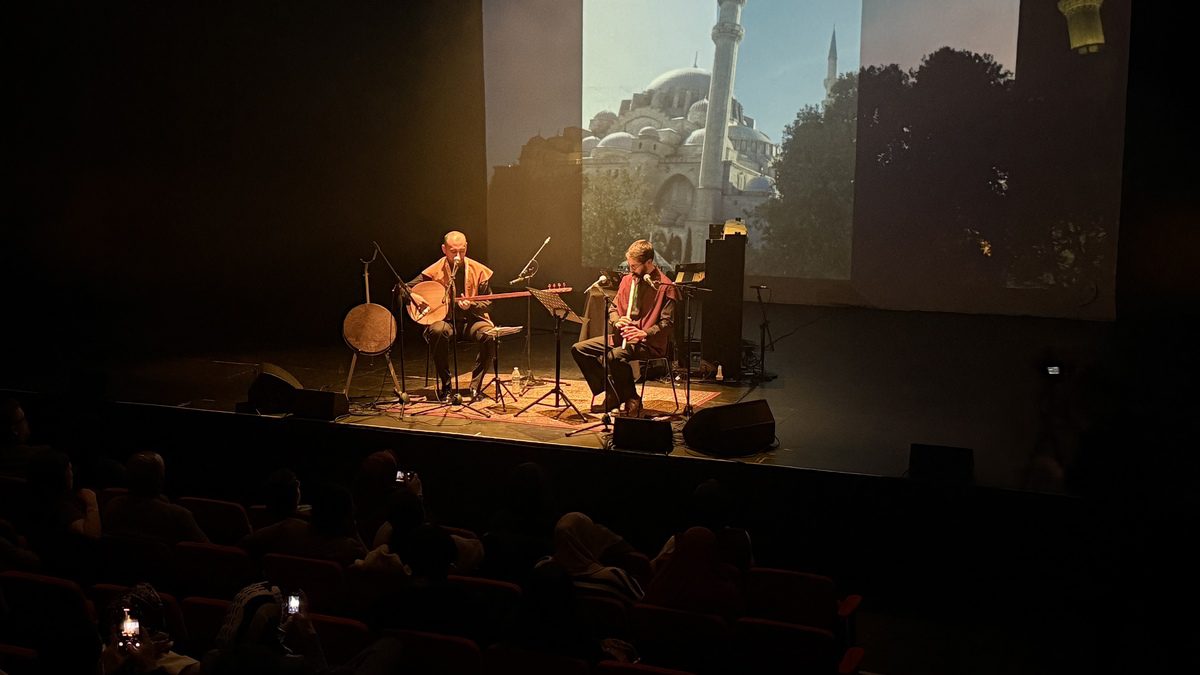
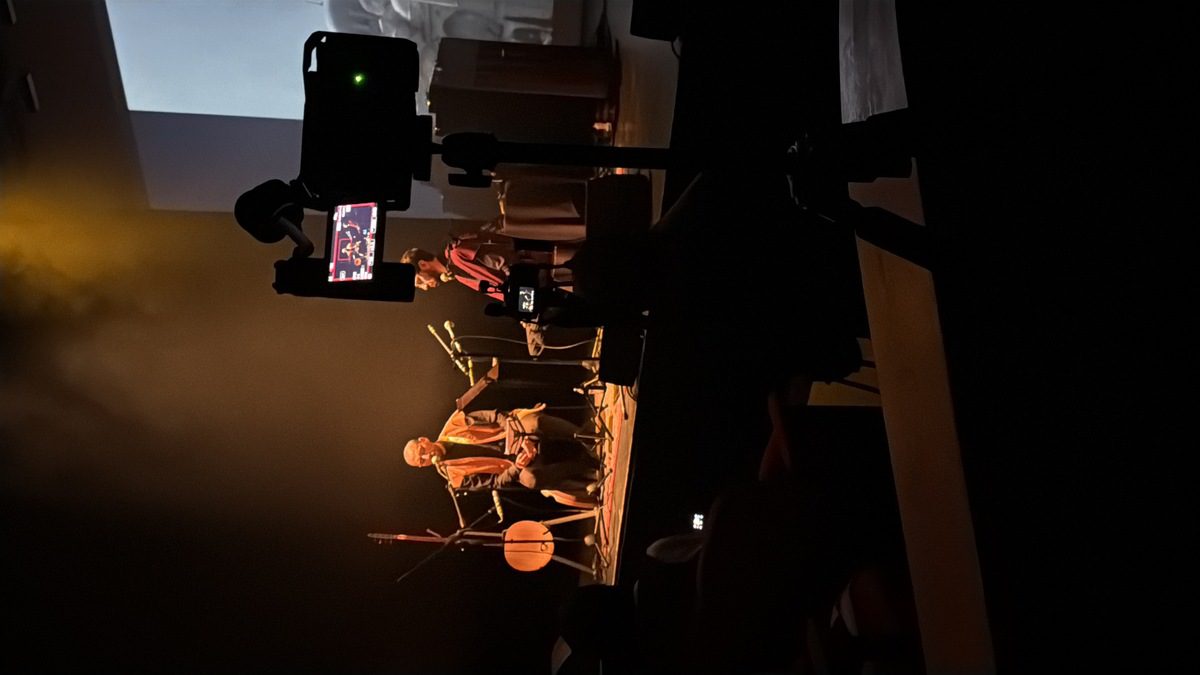
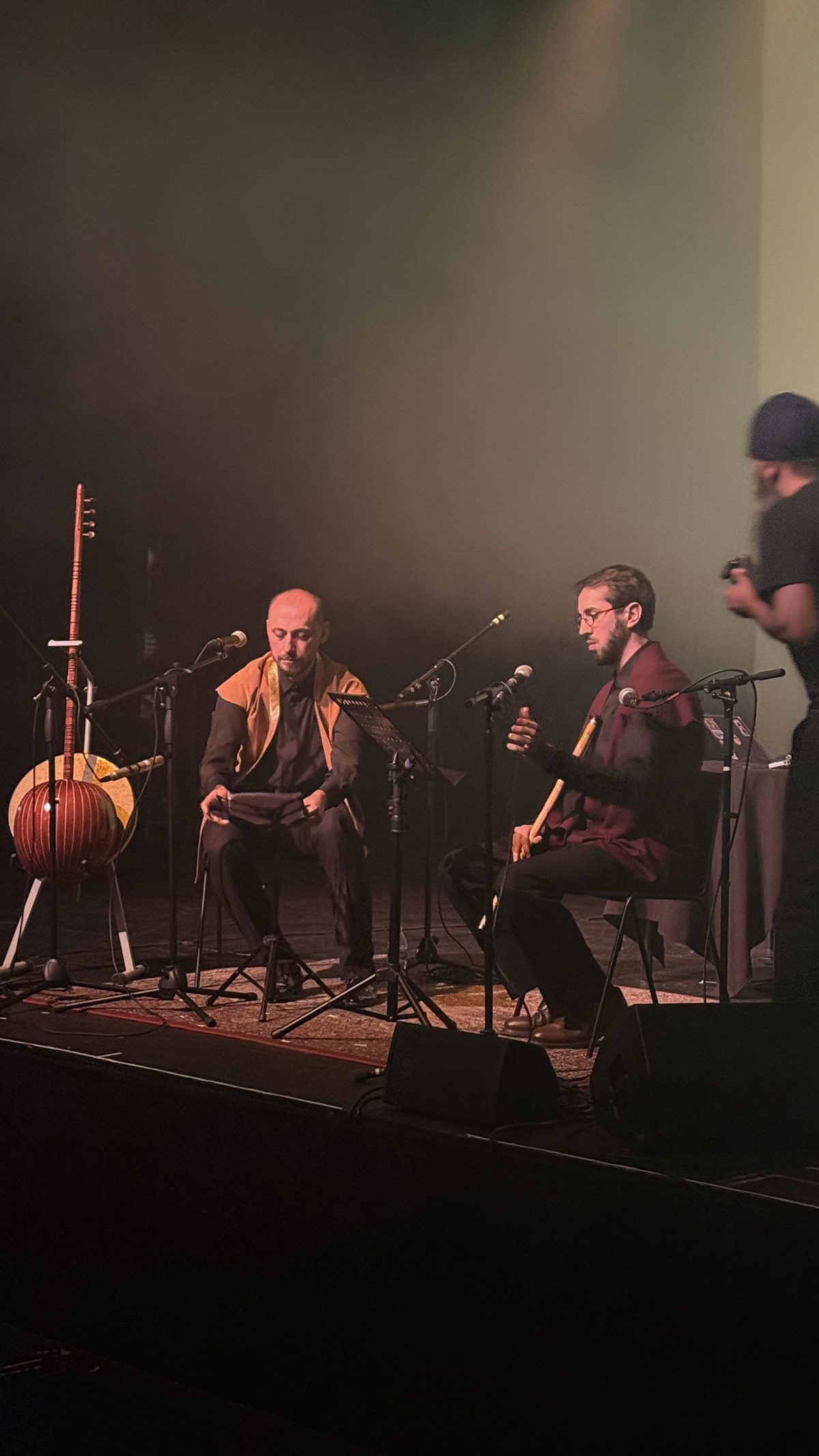
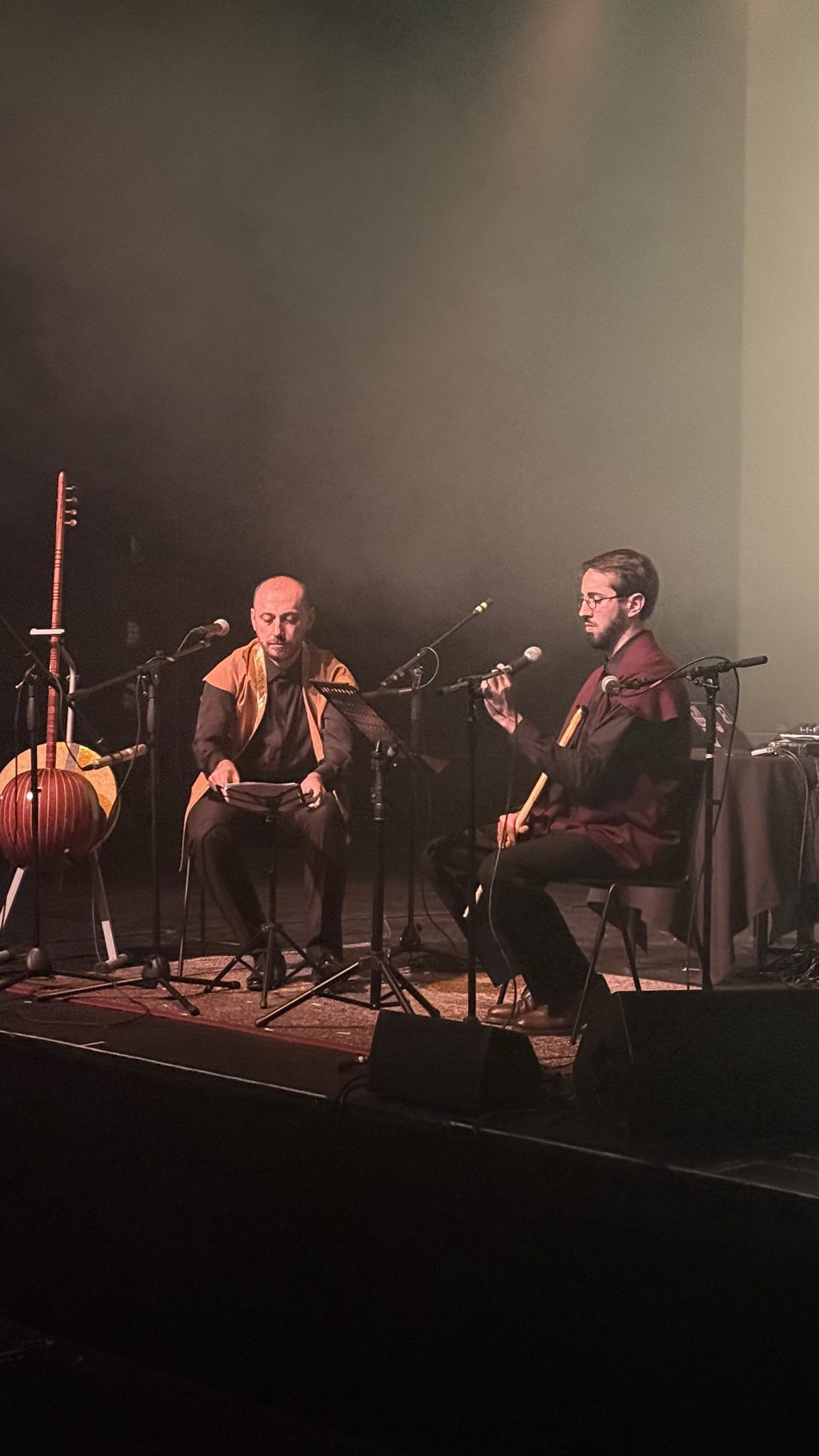
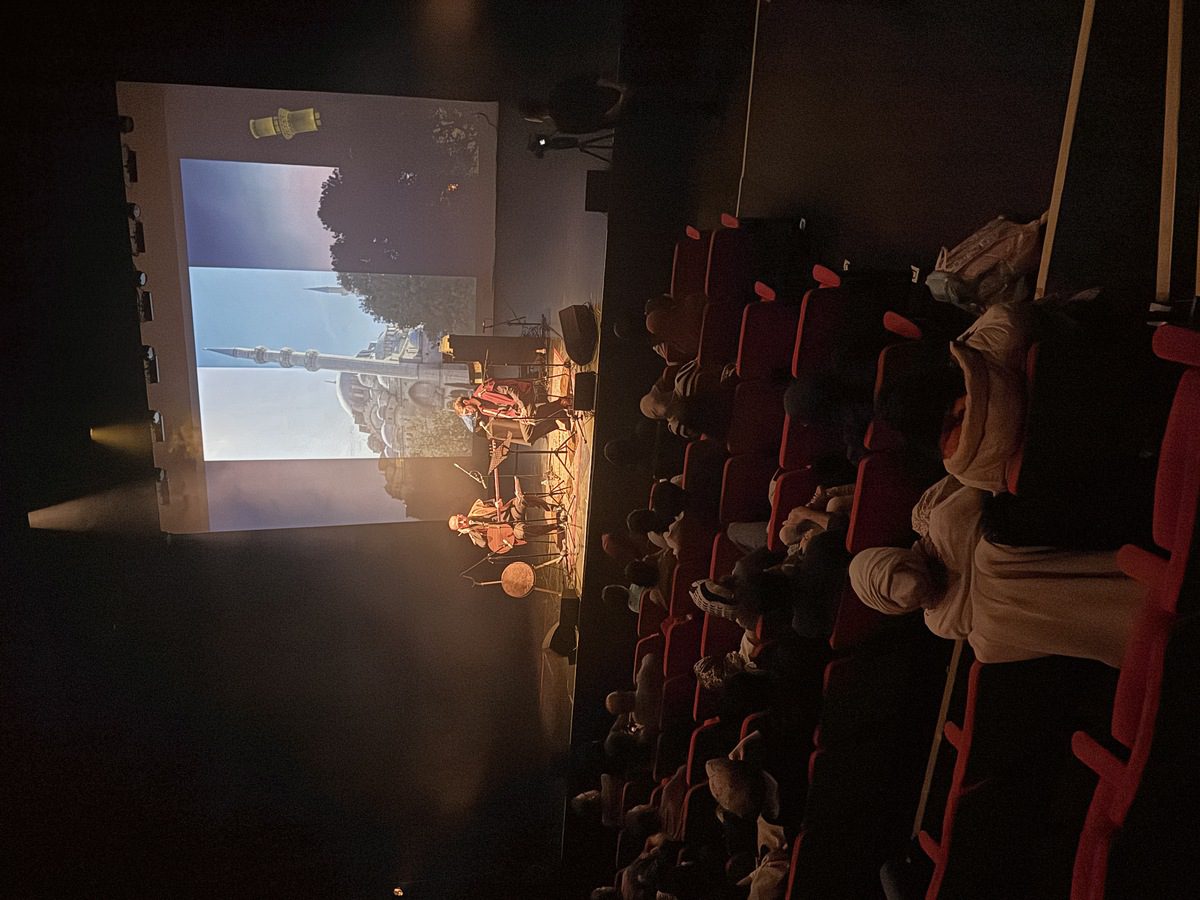
The programme opened with a Turkish Sufi Music Concert, presented by accomplished performers on the ney (reed flute) and tanbur — two instruments central to the Ottoman–Turkish spiritual tradition. This intimate 30-minute performance drew upon centuries of devotional practice within the Sufi orders, where music has long served as a means of remembrance (dhikr), contemplation, and spiritual refinement. The meditative melodies and subtle rhythmic structures created a contemplative atmosphere, inviting listeners into a shared moment of inner reflection and tranquility. The concert resonated deeply with audiences, offering both cultural insight and spiritual solace for the wider Muslim community.
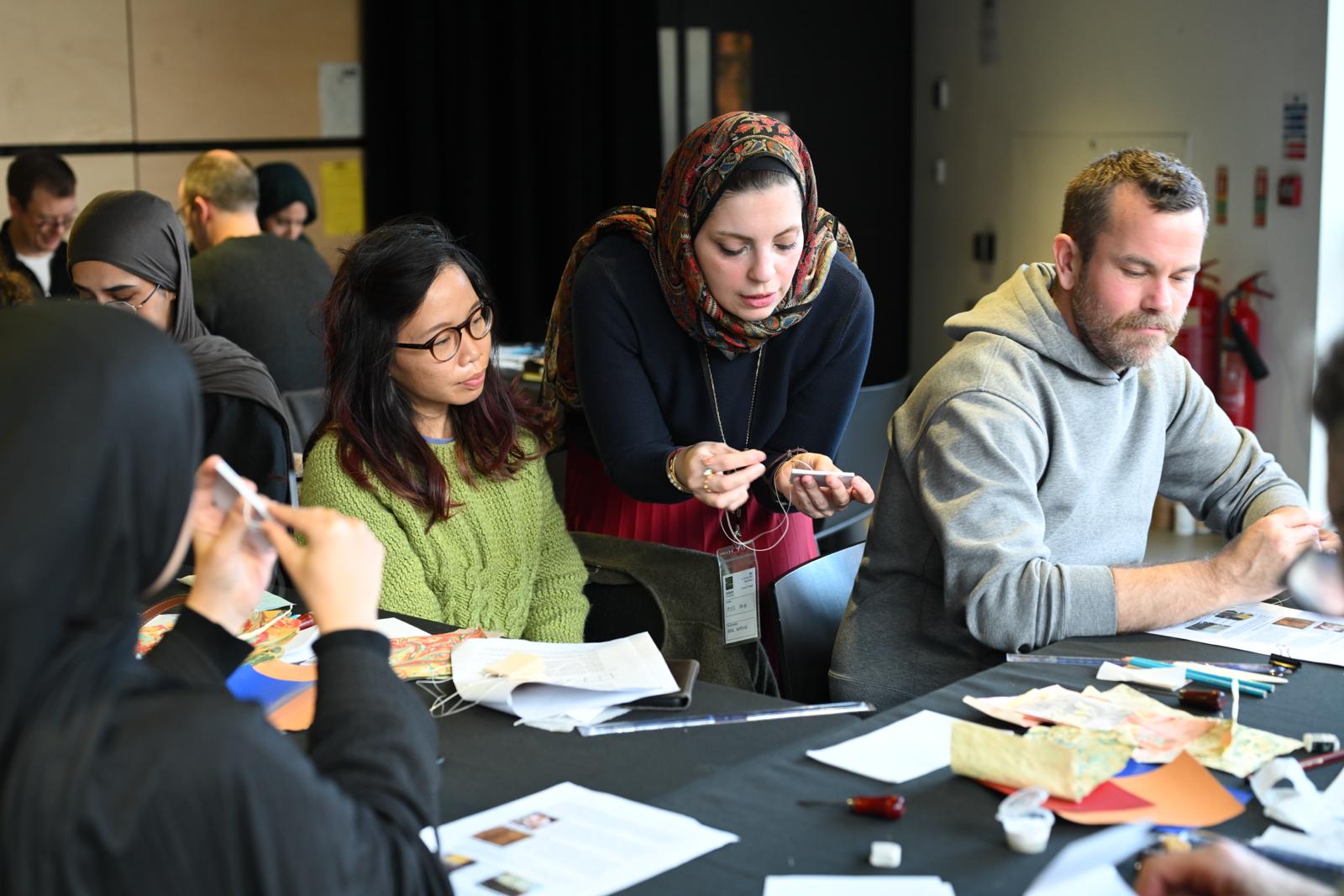
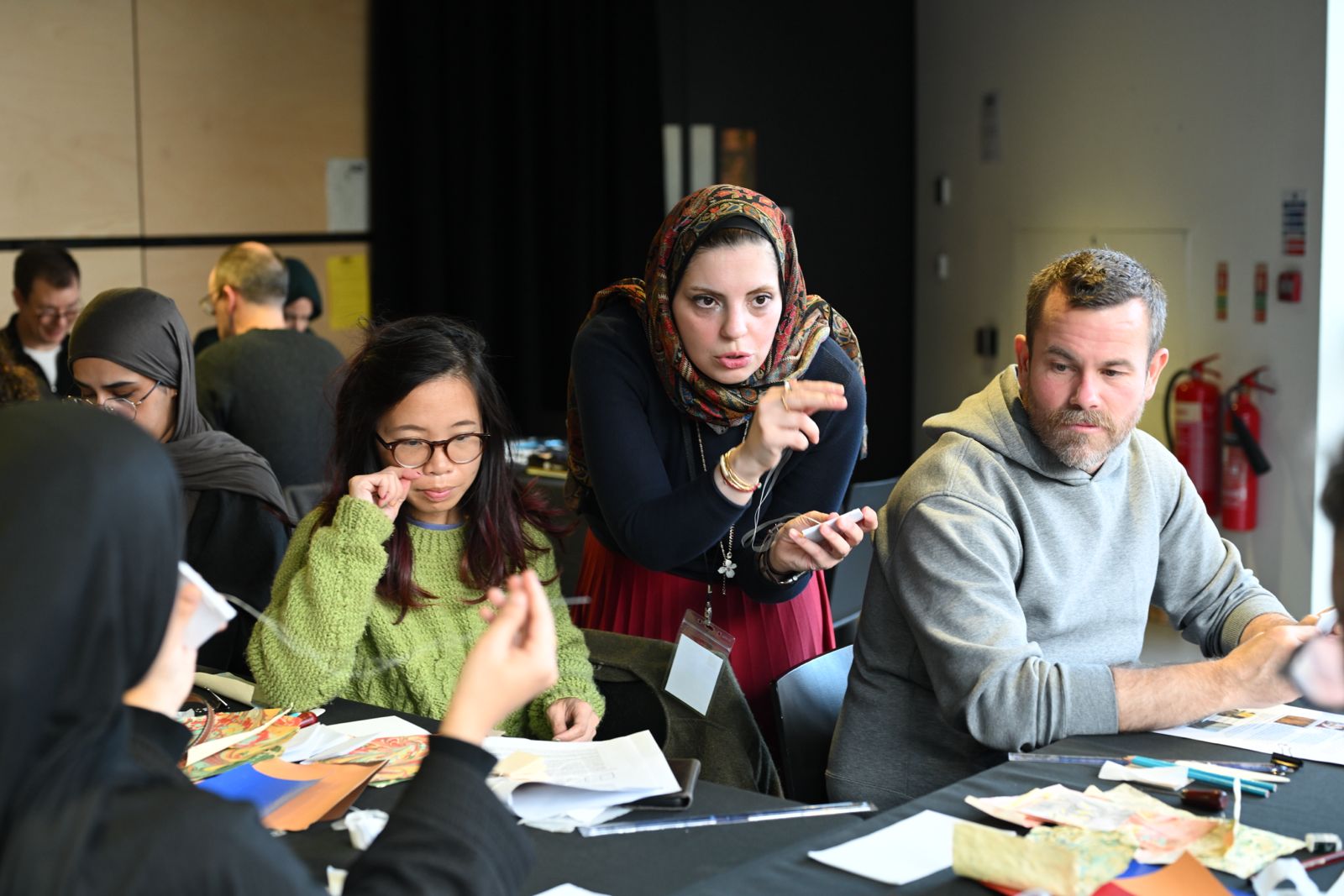
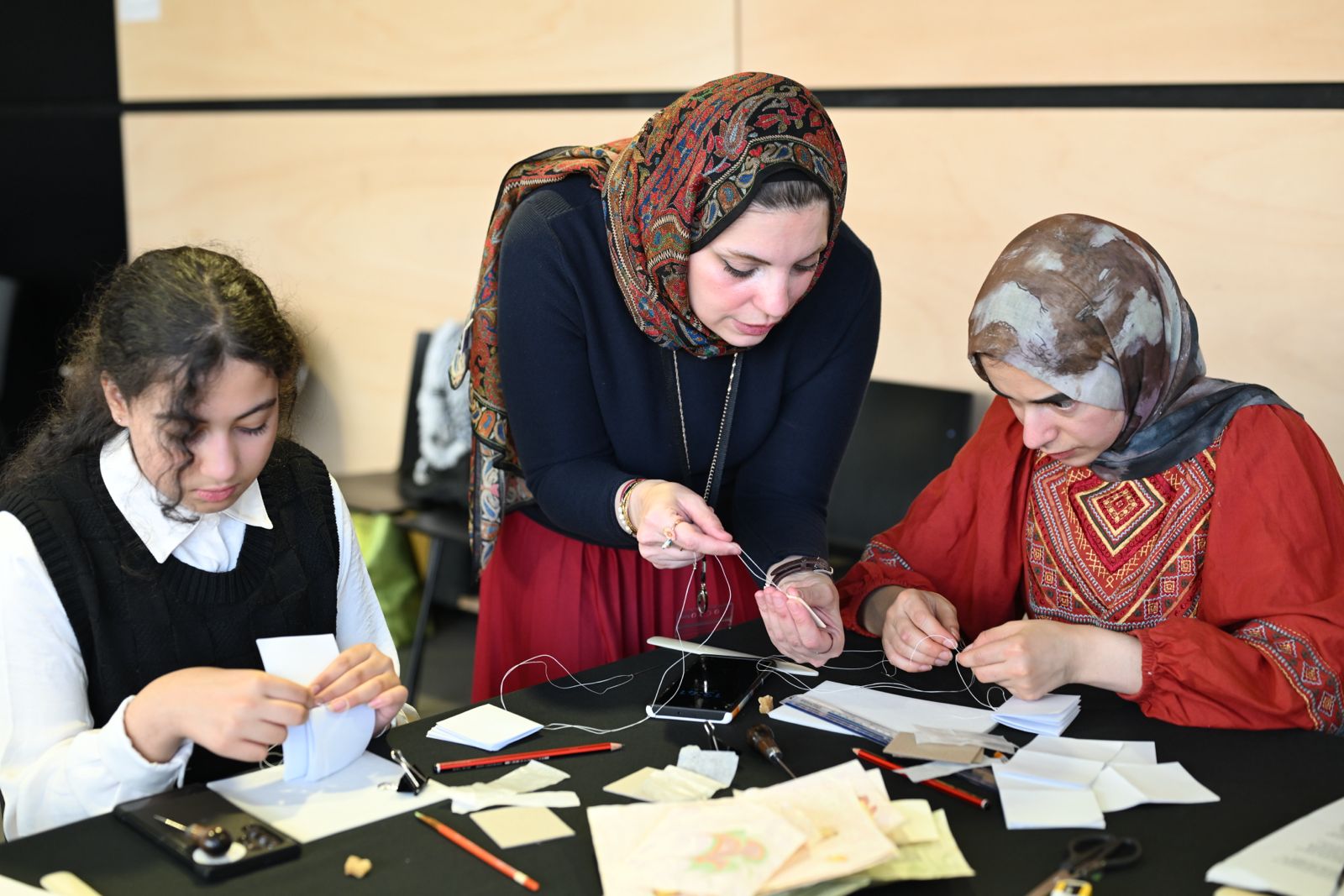
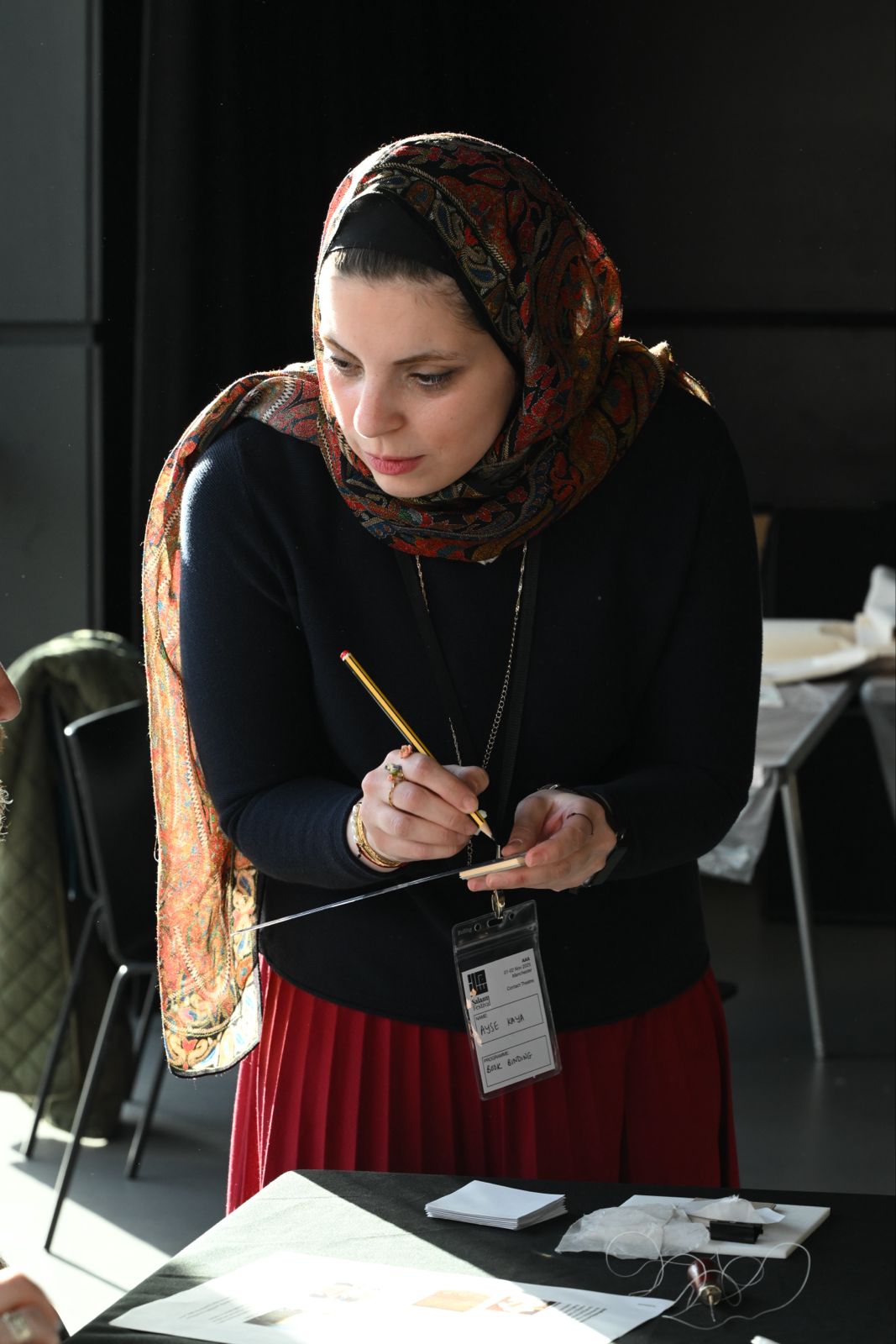
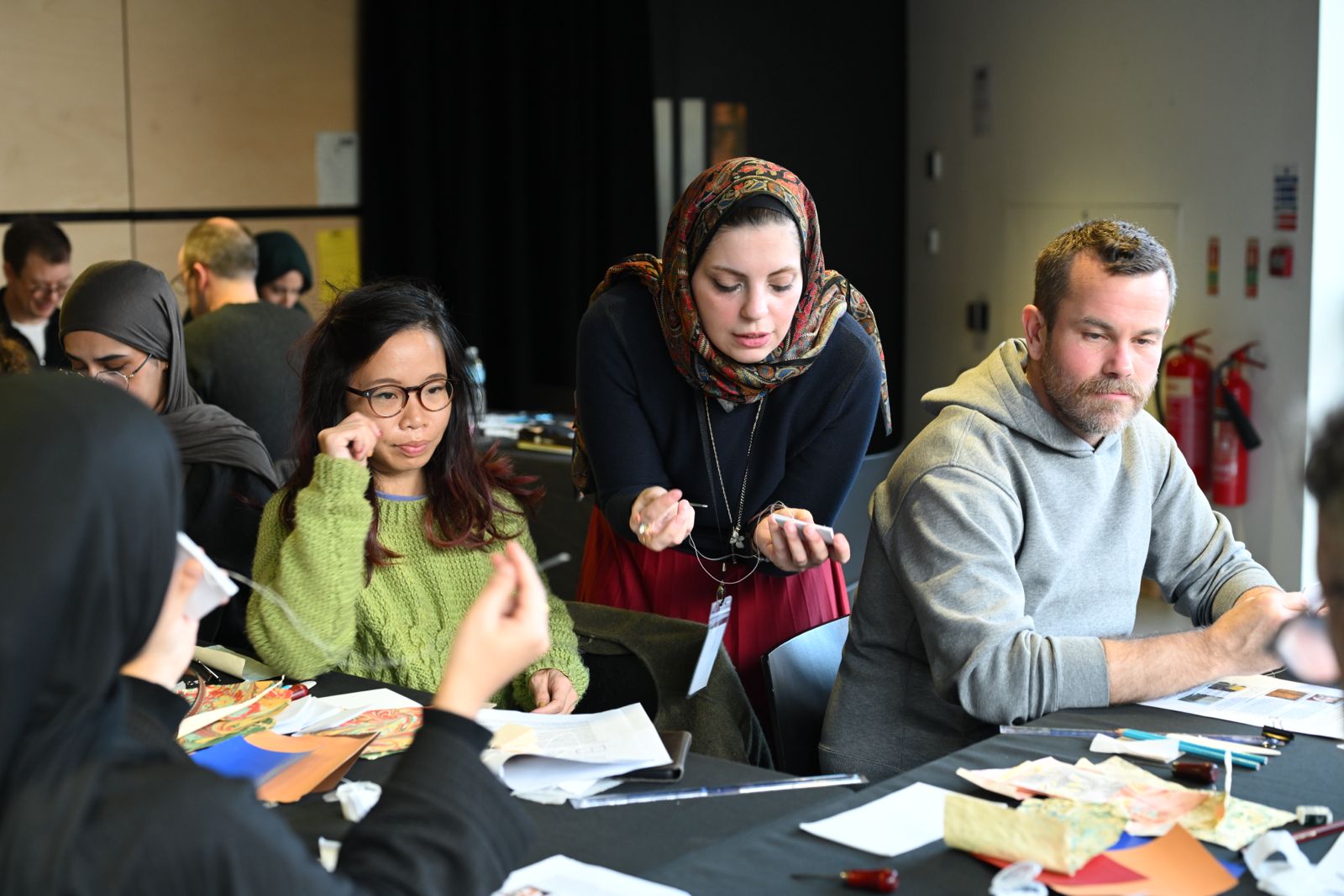
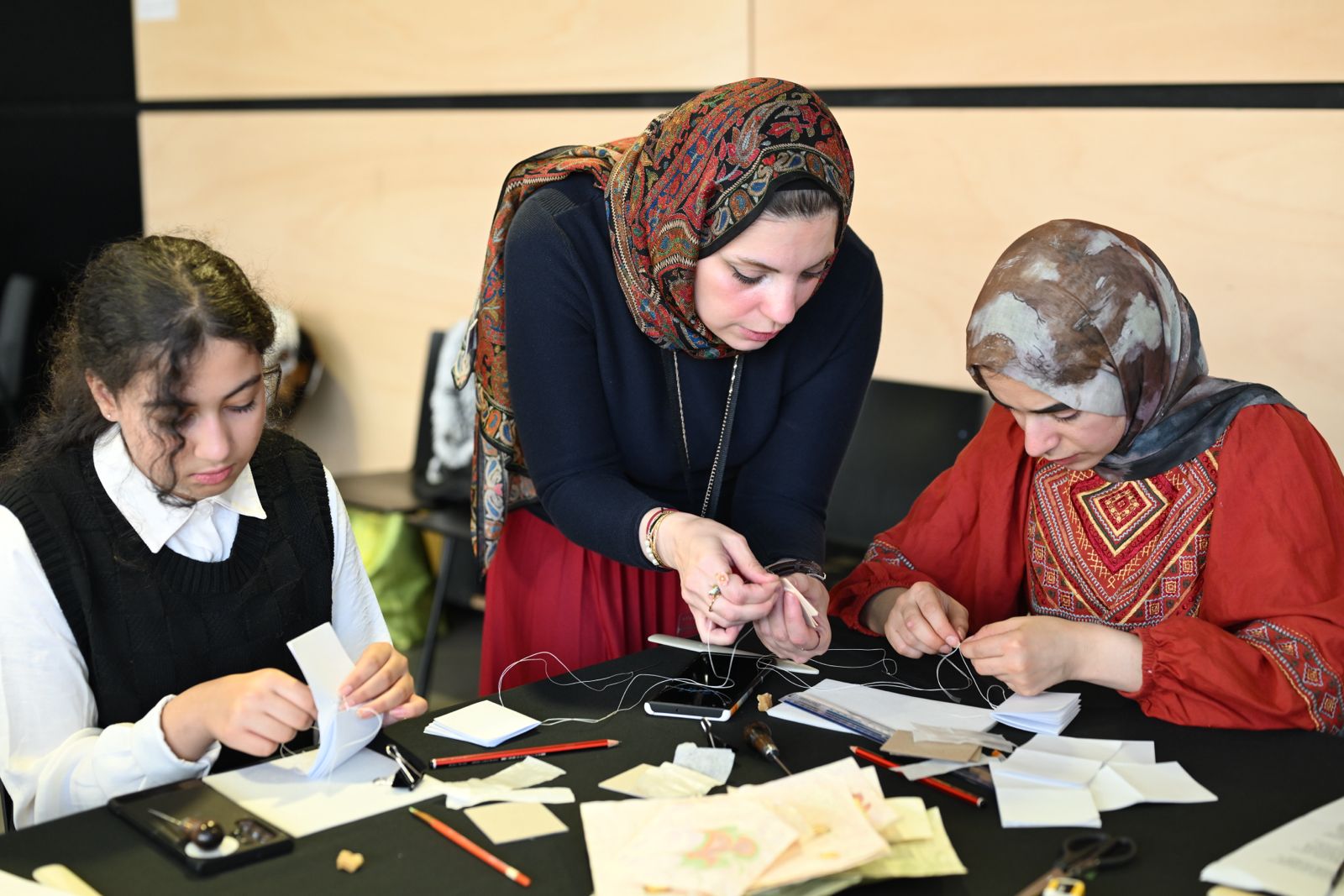
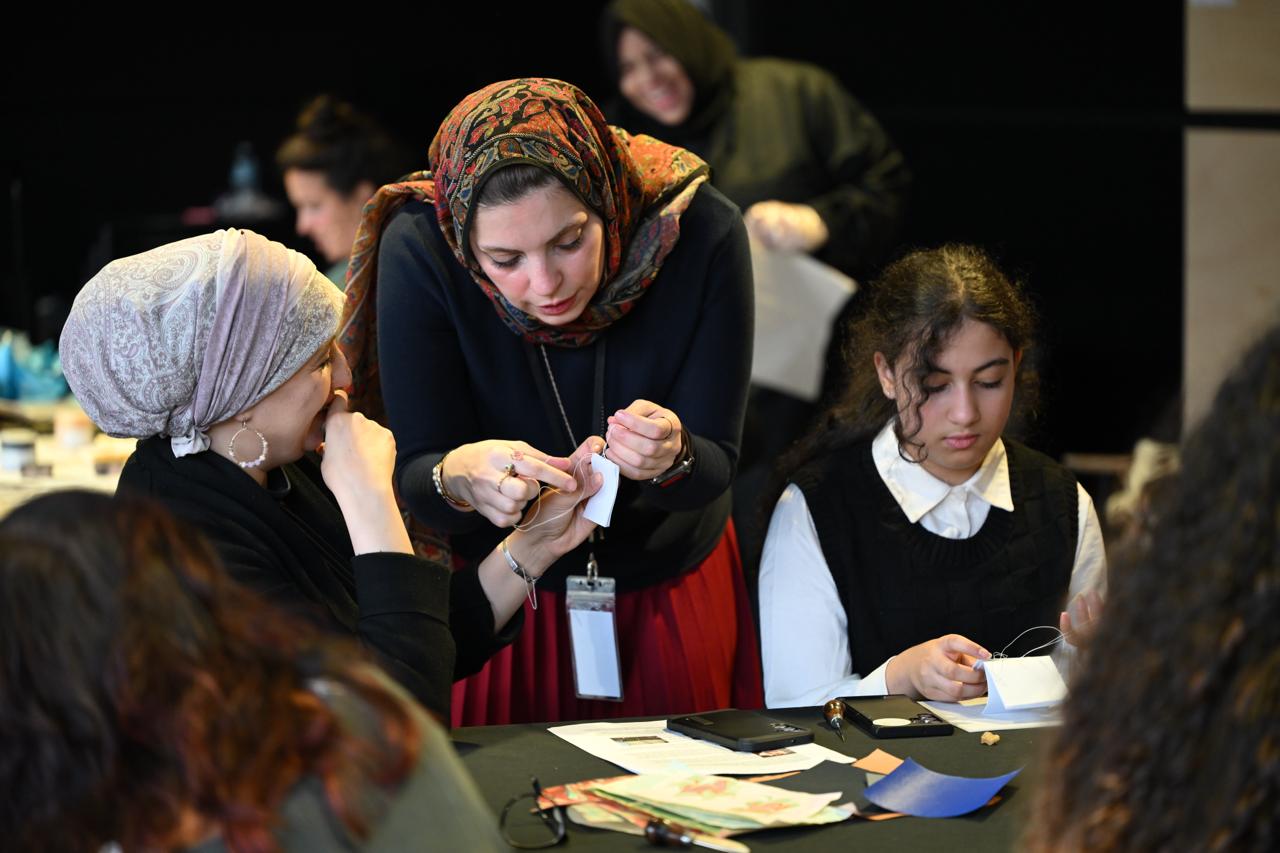
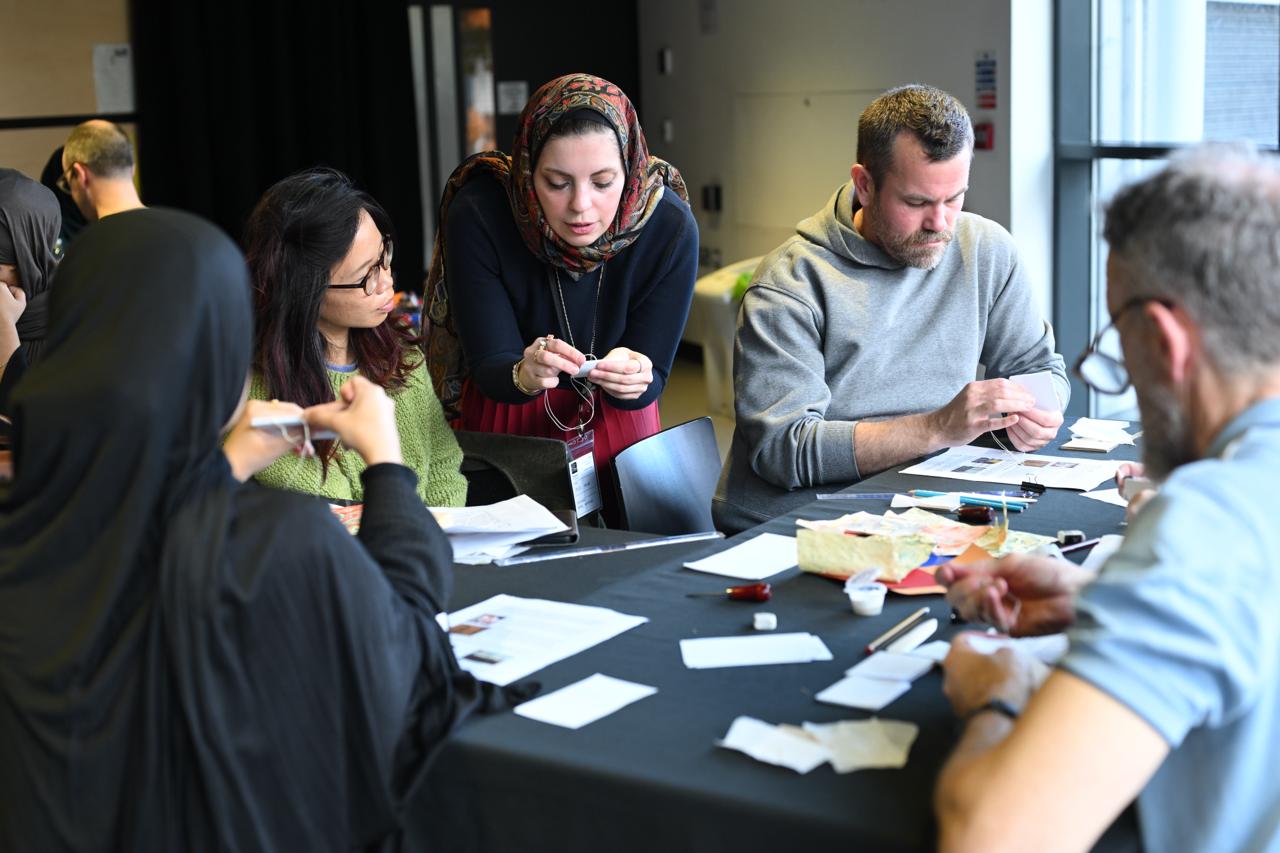
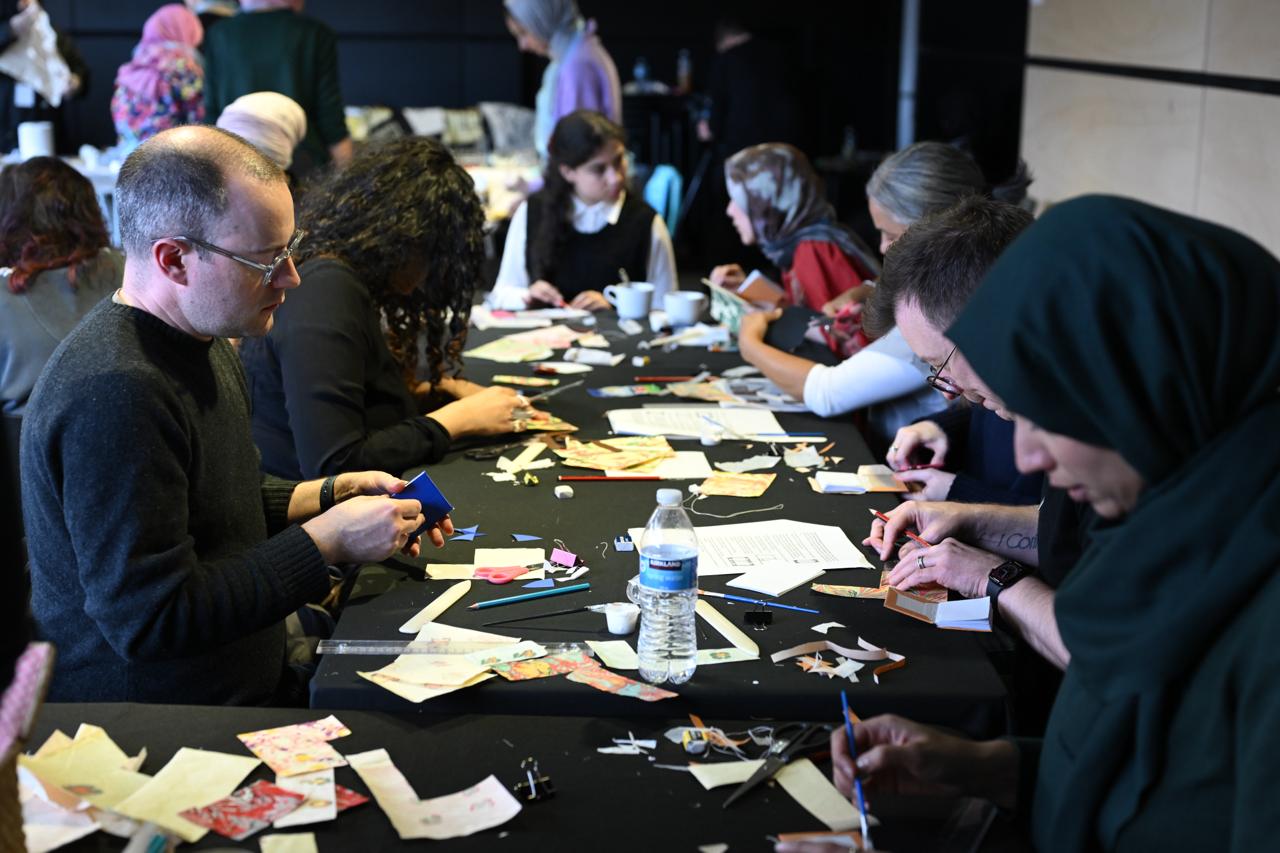
Following the concert, the Institute welcomed participants to a Traditional Bookbinding Workshop, led by book arts specialist Ayşe Kaya. More than a practical session, the workshop offered an in-depth introduction to one of the most enduring crafts of the book arts tradition, highlighting the intersection of technique, material culture, and artistic heritage.
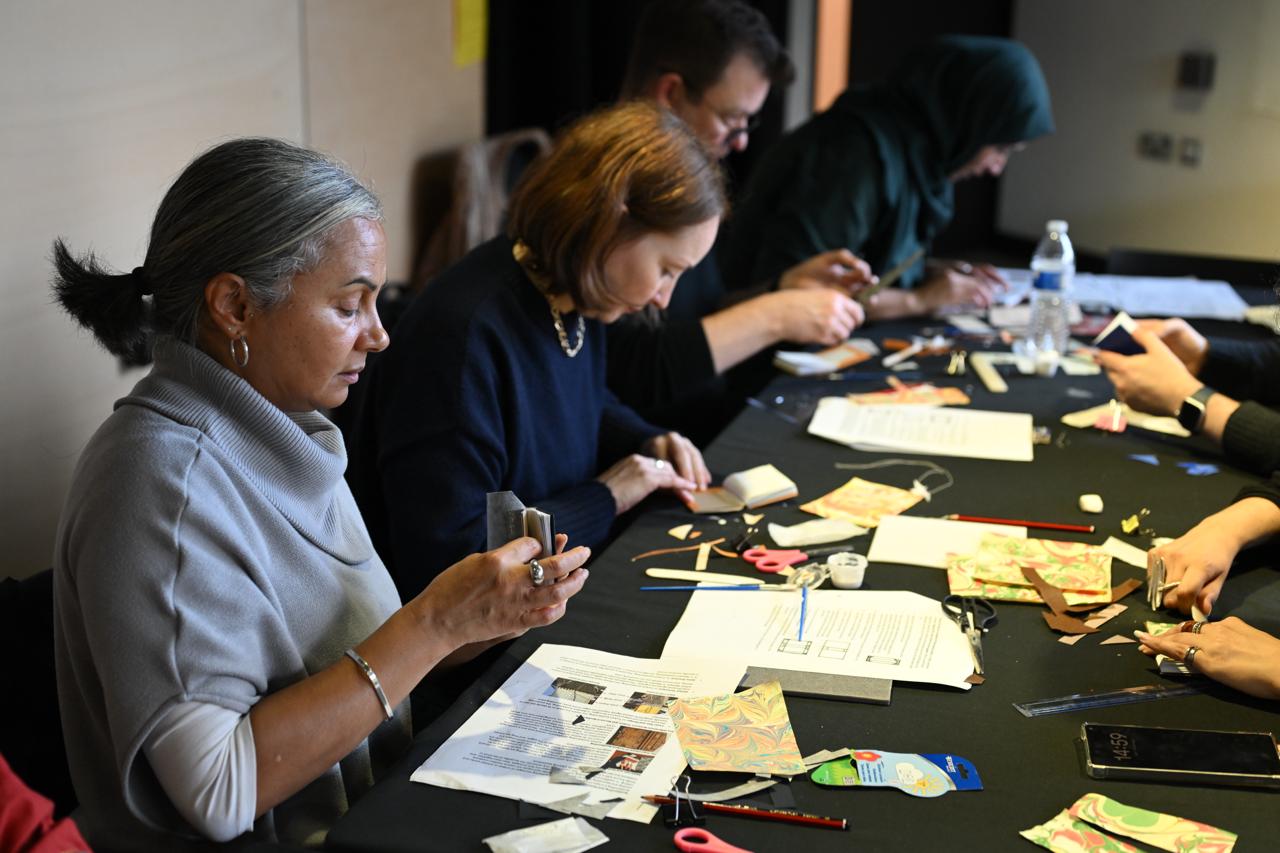
Participants were introduced to the essential tools and materials of traditional bookbinding, including handcrafted papers and Ane threads historically favoured by artisans. Under Kaya’s expert guidance, attendees progressed through each stage of the binding process with care and precision — folding and preparing pages, stitching spines with measured rhythm, and assembling covers with meticulous attention to detail.
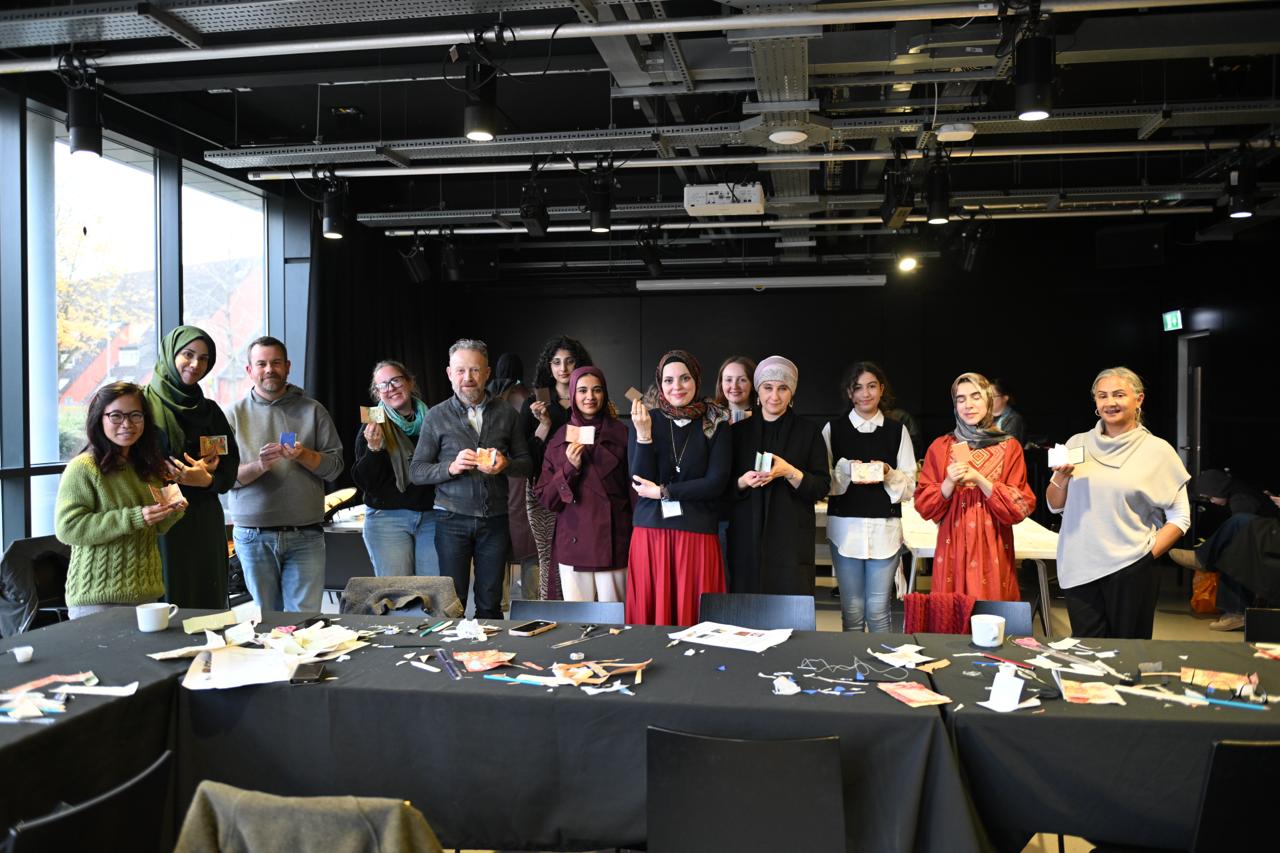
A highlight of the workshop came during the final stage, when participants created their own marbled paper designs to complete their notebooks. Rooted in the Ottoman tradition of ebru, the marbling process added both visual richness and cultural significance, transforming each finished piece into a unique object that reflected individual creativity within a shared heritage.
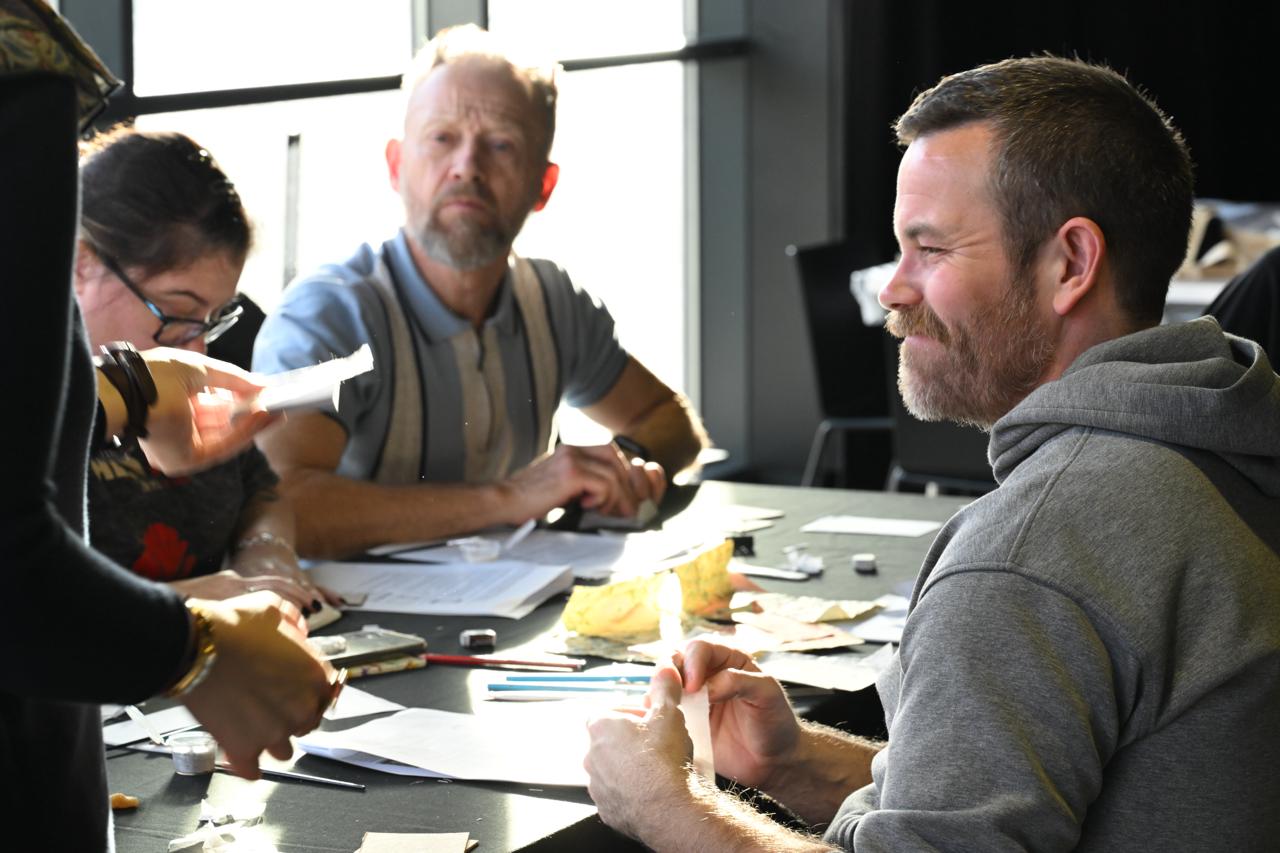
Throughout the evening, the Institute fostered a welcoming and intellectually engaging environment in which participants exchanged ideas, reflected on their creative process, and experienced the rare satisfaction of working by hand. The seamless transition from spiritual music to tactile craftsmanship underscored the interconnected nature of sound, art, and devotion in Turkish cultural history.
The event was warmly received and demonstrated the continued interest in Türkiye’s living traditions within the UK.