 Yunus Emre Institute
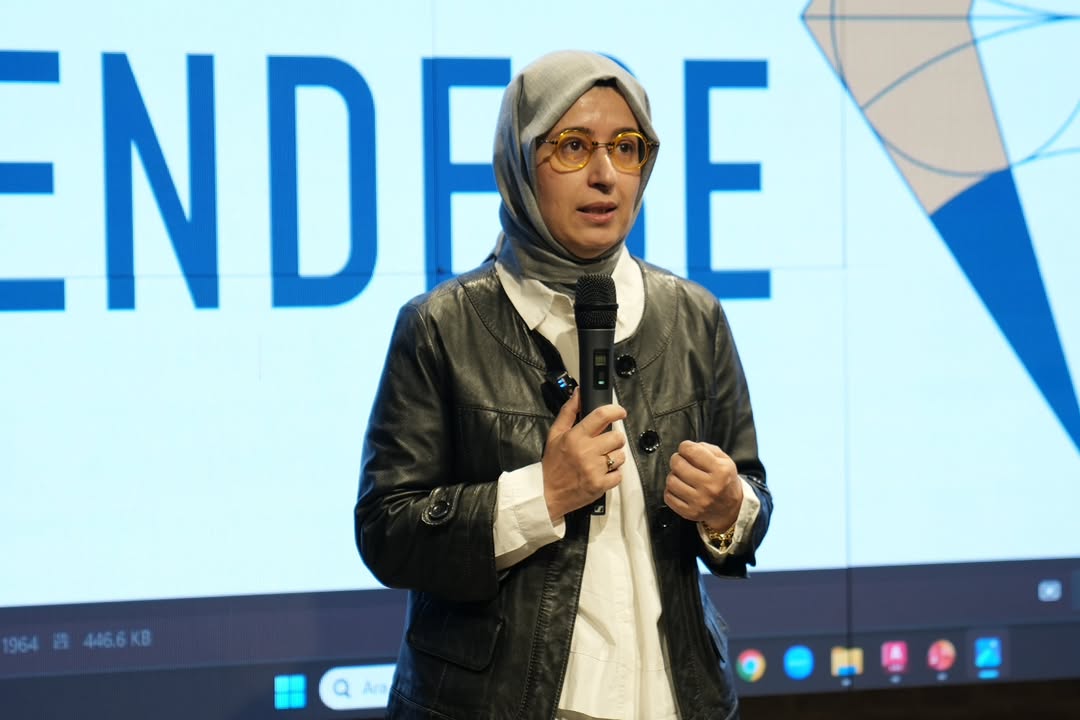
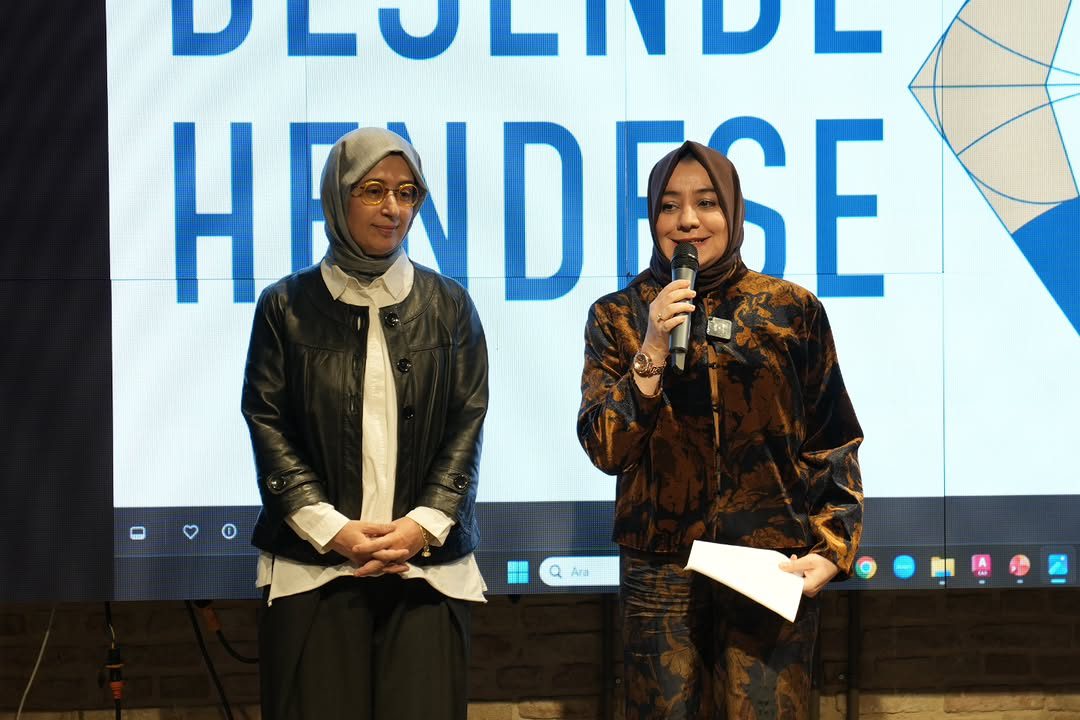
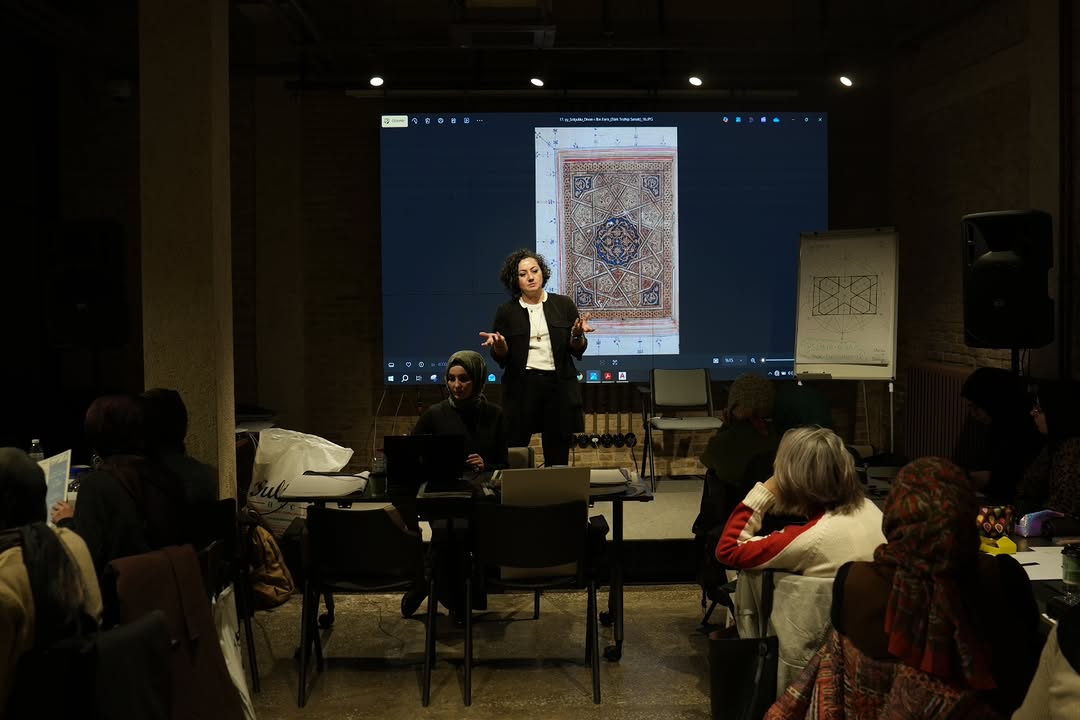
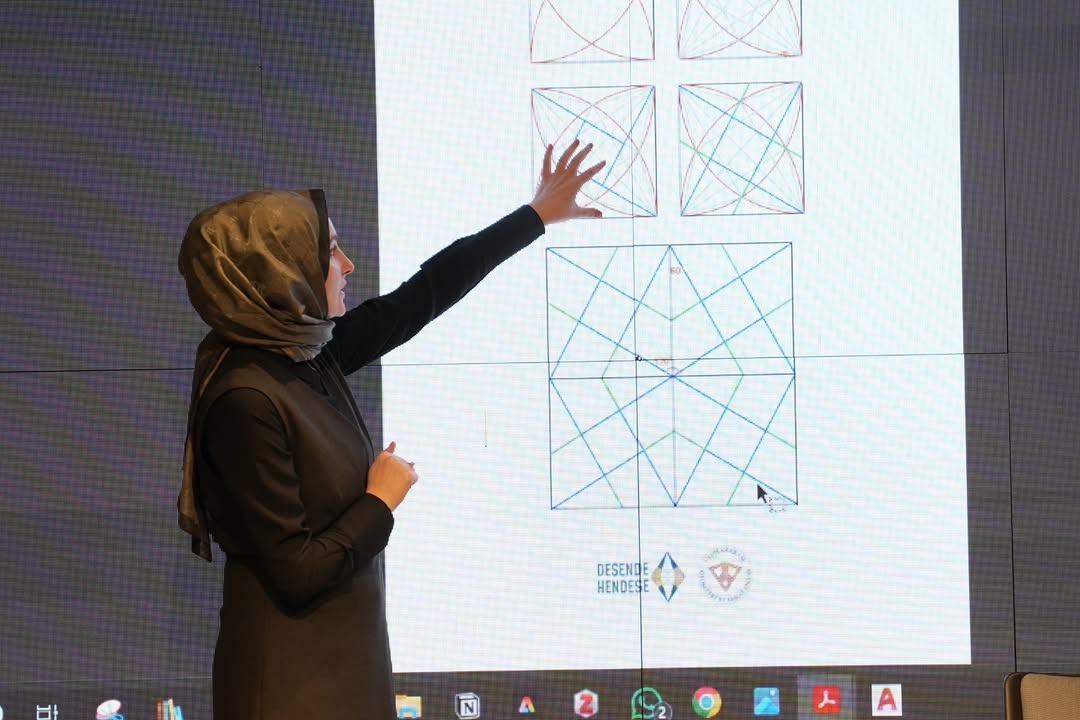
The first chapter of the Desende Hendese project began in Konya with ATÖLYE AʾYÂN, a two-day workshop held on 6–7 December.
Developed and led by Dr Serap Ekizler Sönmez, the project was organised by Fatih Sultan Mehmet Vakıf University and supported by Yunus Emre Enstitüsü – London, Konya Metropolitan Municipality, Depo No. 4, and the School of Geometry and Art.
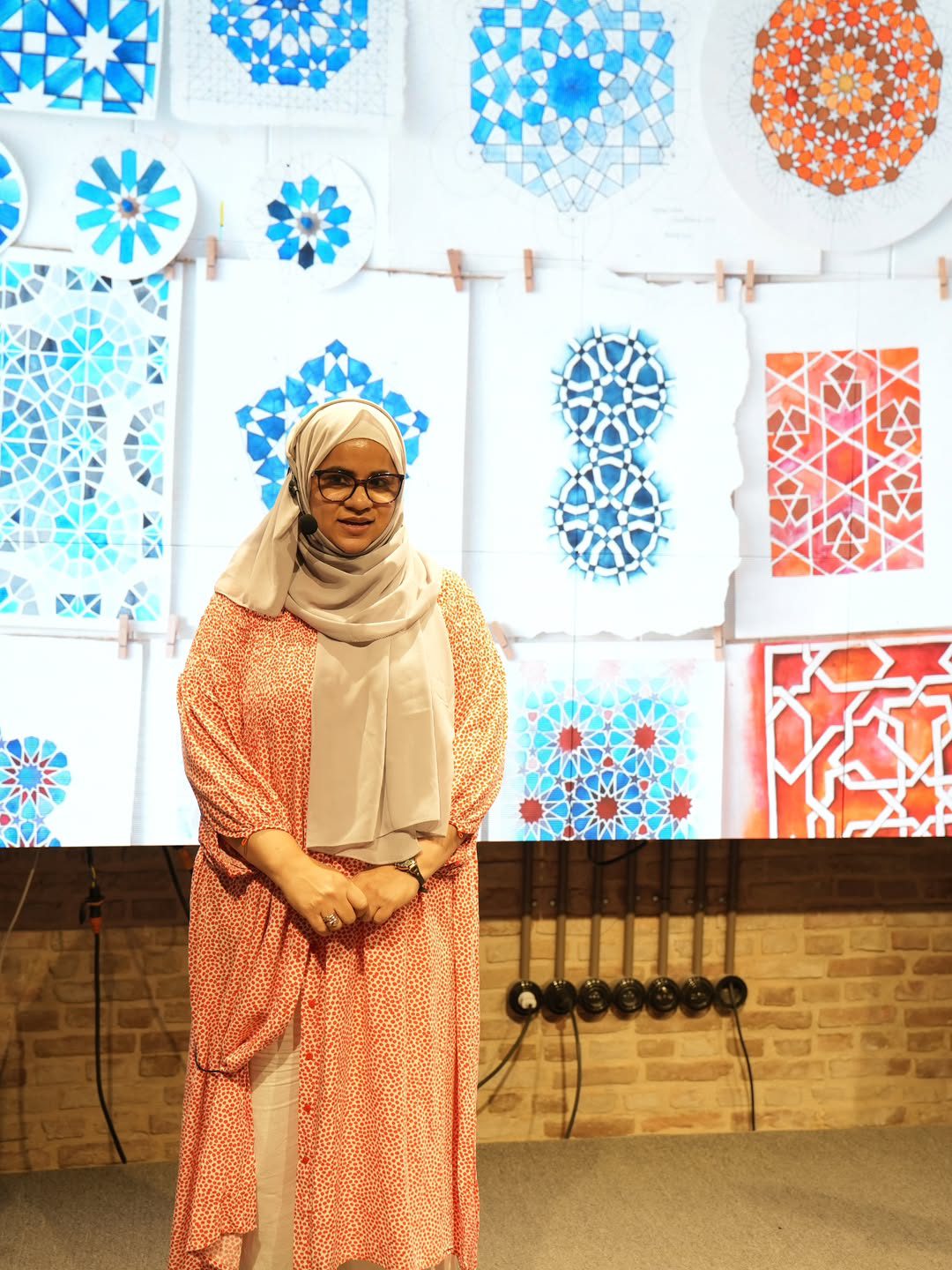
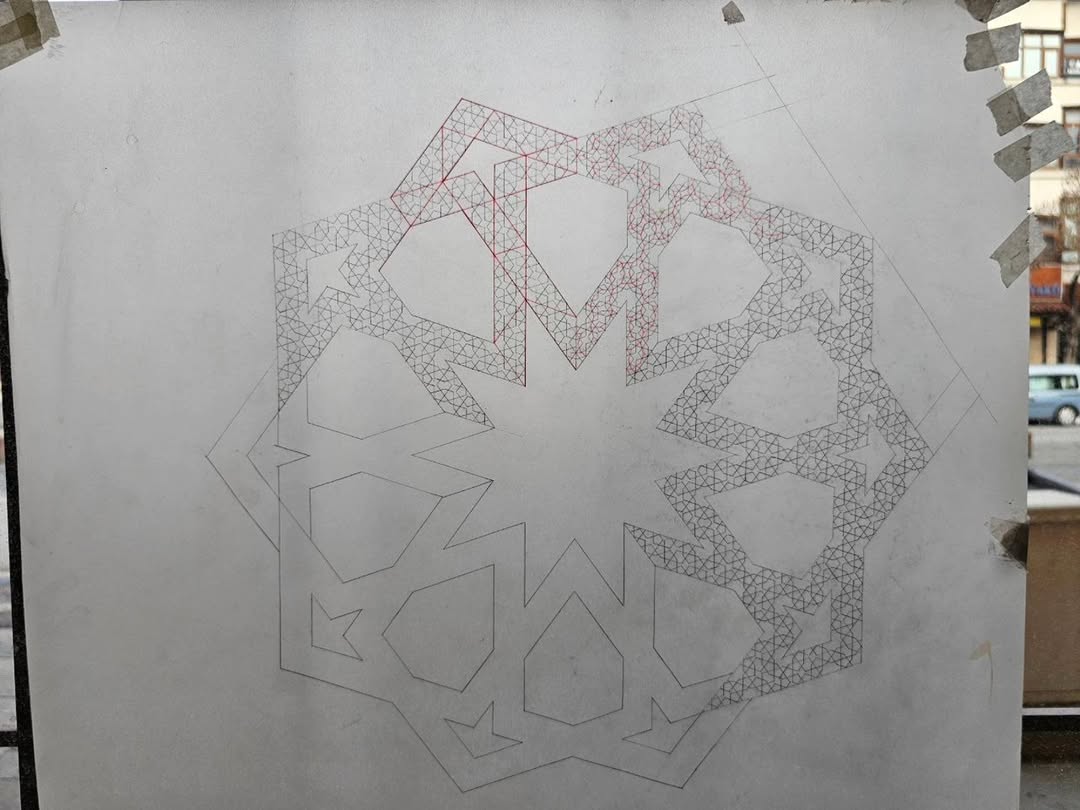
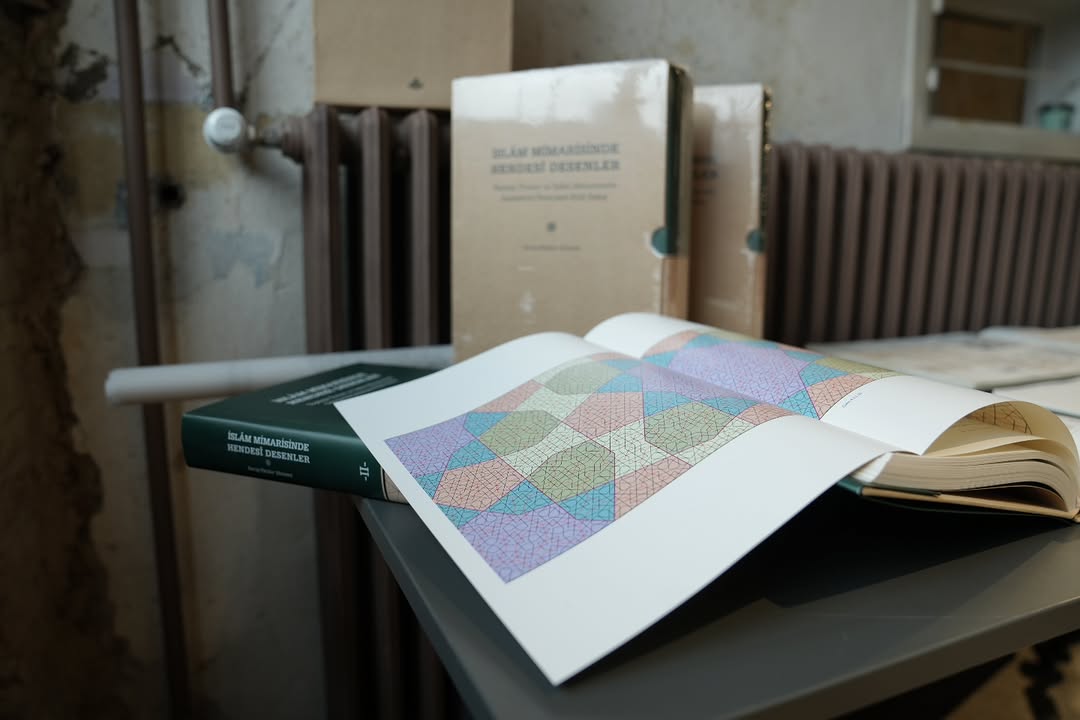
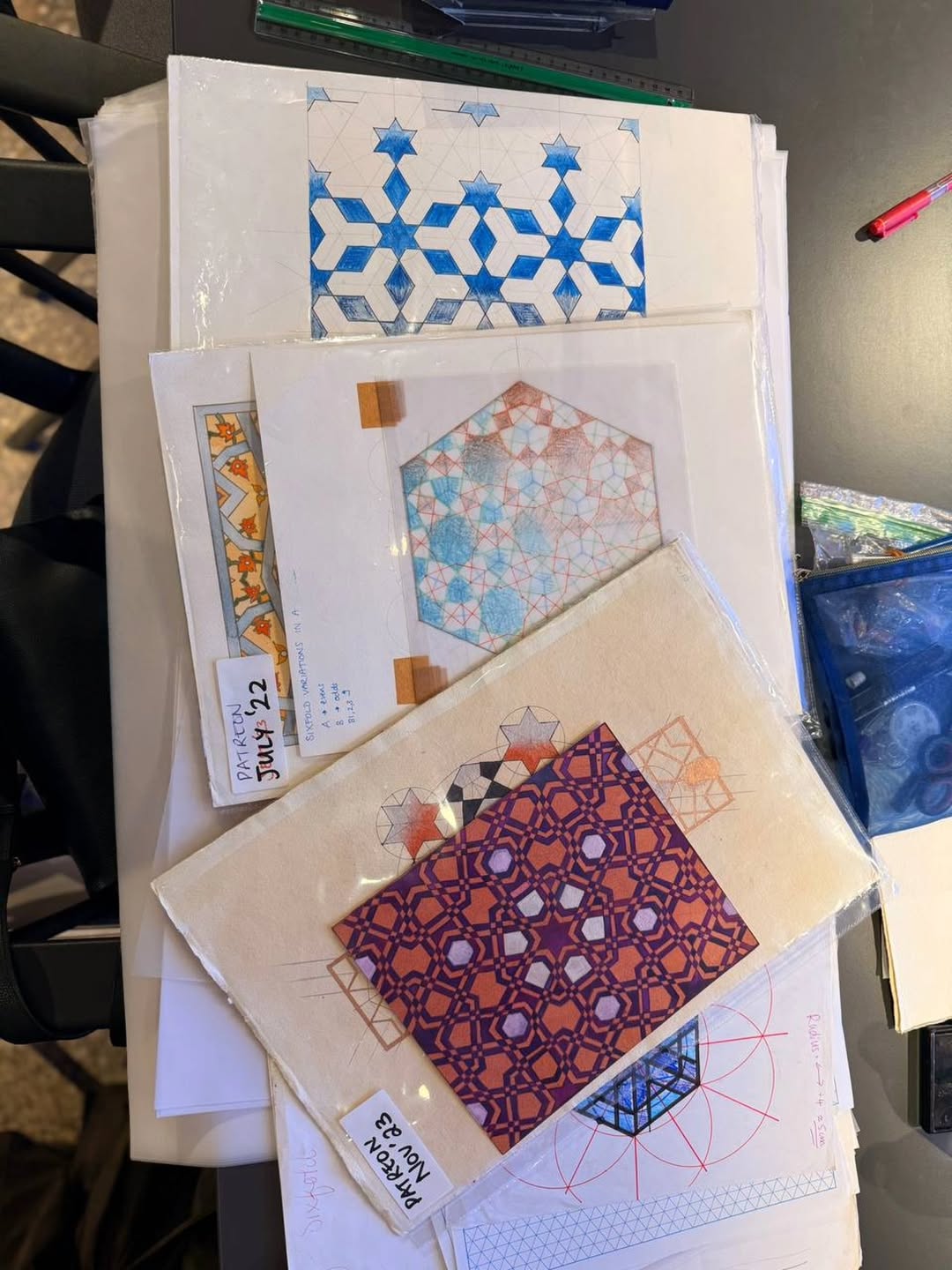
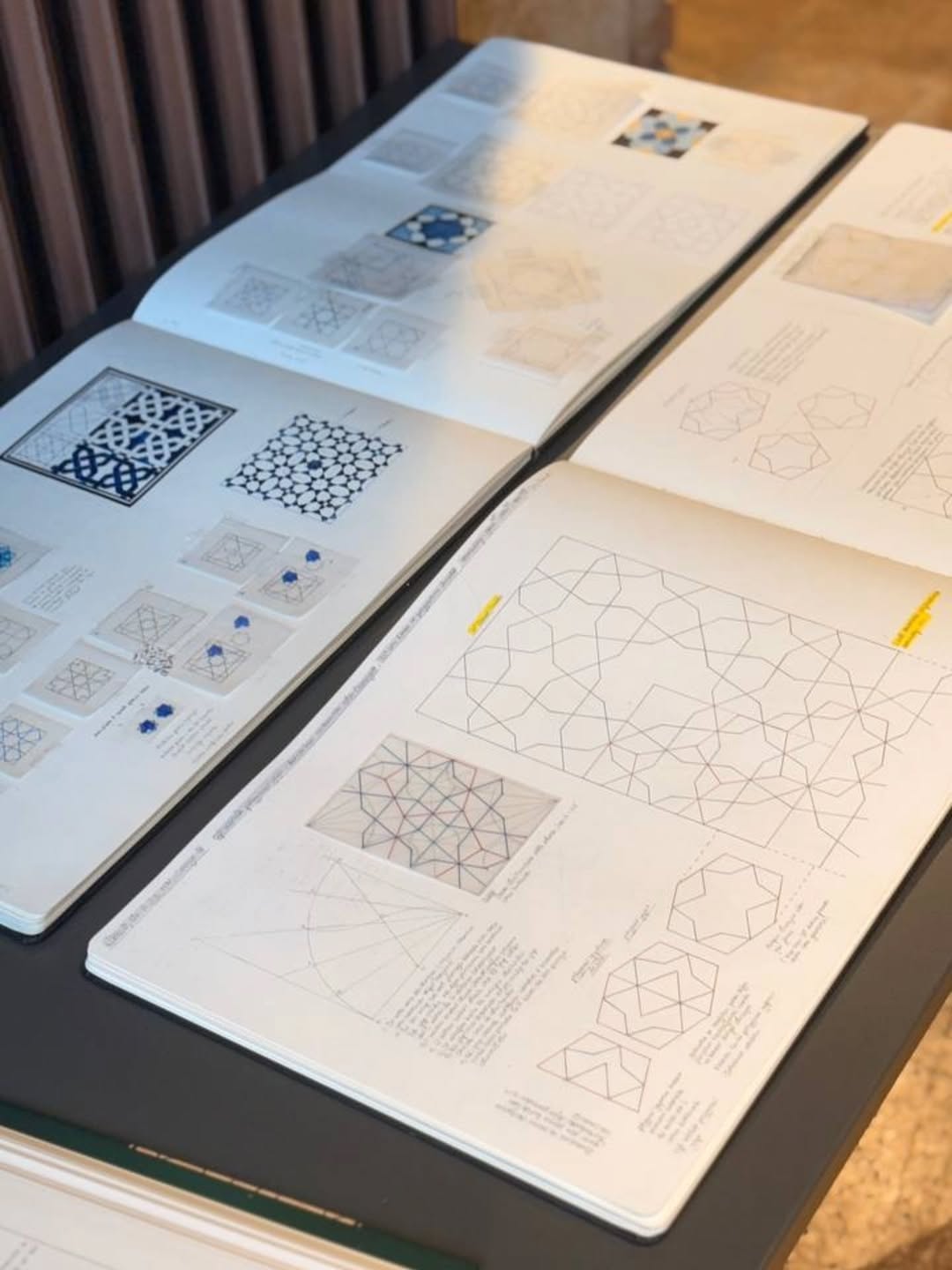
Desende Hendese brought together geometry, craftsmanship, and historical inquiry within a contemporary, research-driven framework. Rooted in the rich visual and architectural heritage of the Islamic world, the project aimed to re-examine traditional geometric design practices while opening new pathways for creative and scholarly exploration.
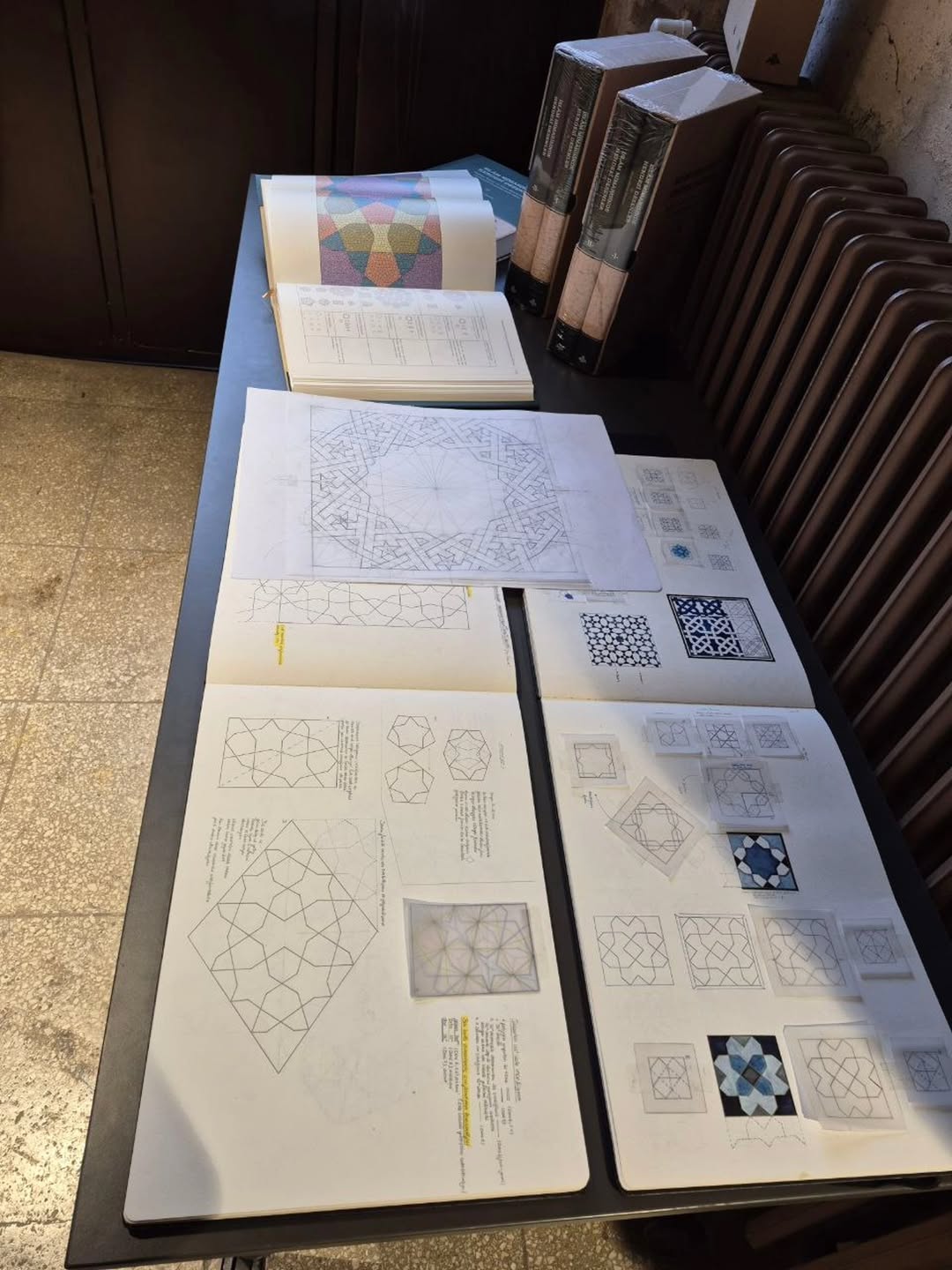
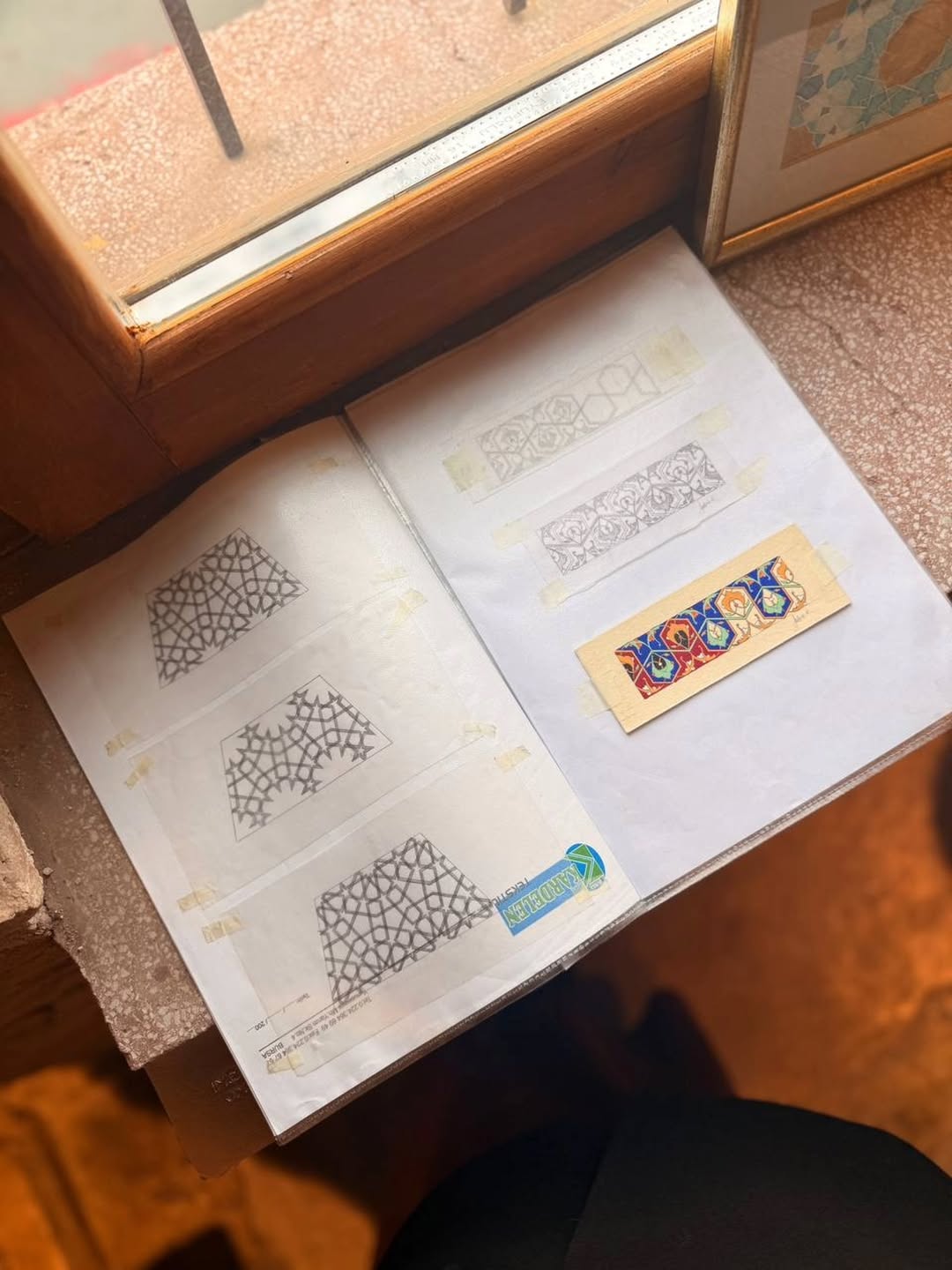
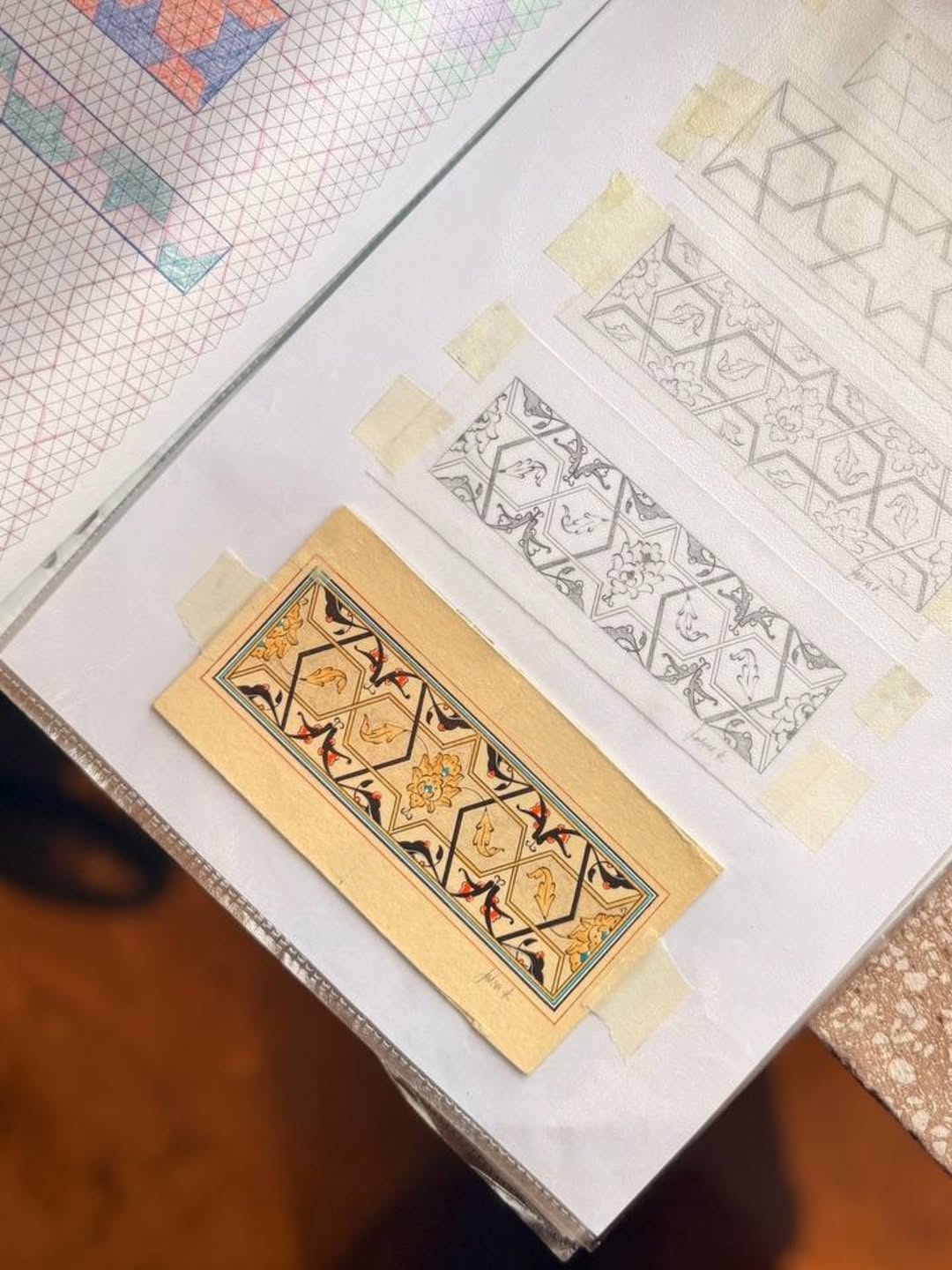
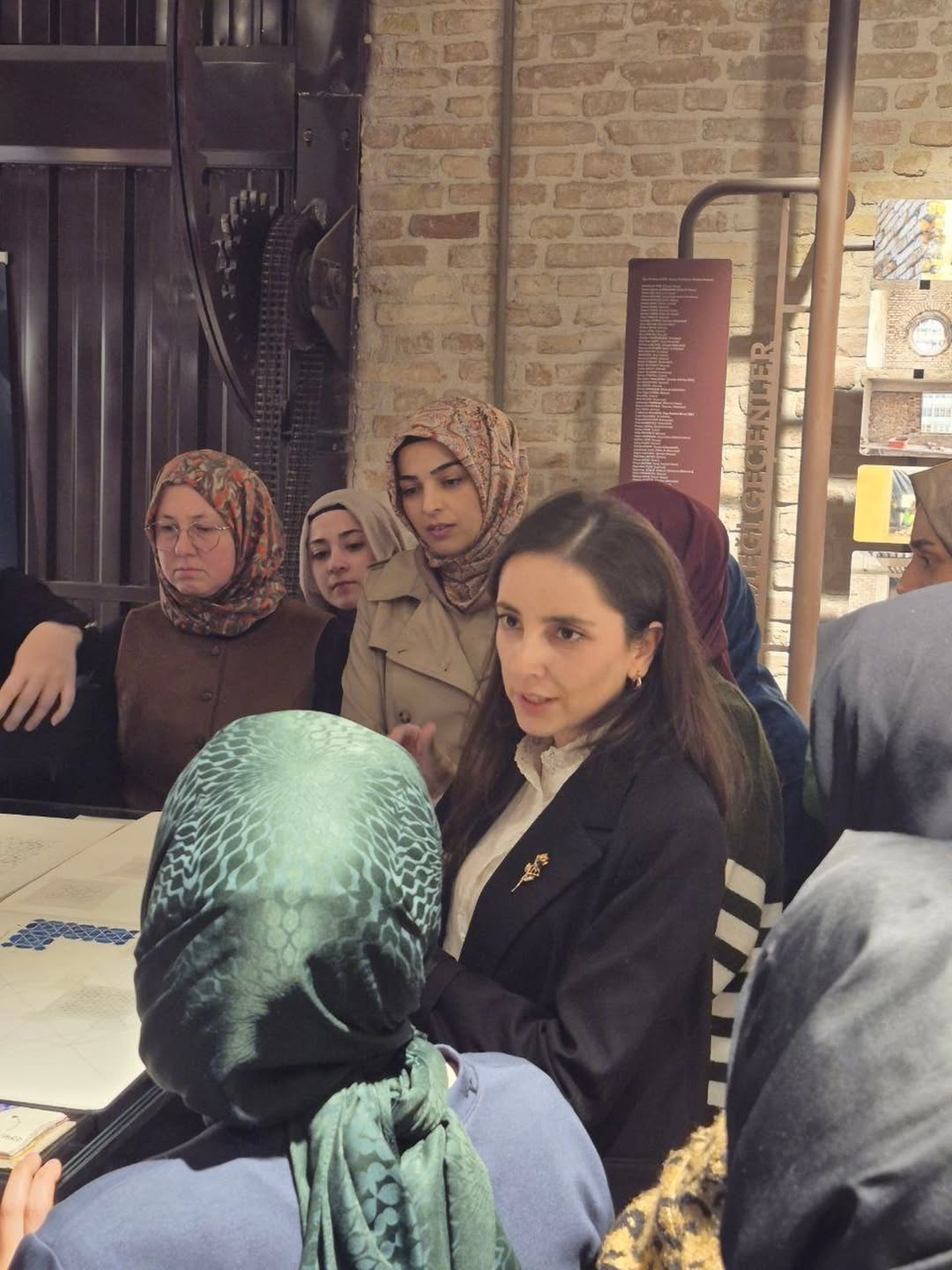
The Aʾyân Workshop marked the project’s first step, introducing participants to the construction-based language of geometric design alongside traditional book arts. Through hands-on studio sessions and field studies across Seljuk architectural sites in Konya, participants engaged directly with historical forms, proportions, and design principles embedded in the city’s built environment.
The programme featured contributions from Esra Aslan, Fatma Aygün, Elif Dedemen, Sueda Terzi, and London-based educator Samira Mian, offering participants a multidisciplinary learning experience that bridged theory, practice, and place.
As an international initiative, Desende Hendese continued its journey through Konya, London, and Istanbul throughout 2026, expanding into exhibitions, panel discussions, and production-focused events. The project sought to revisit the legacy of Islamic geometric arts and carry it forward into new creative, educational, and scholarly contexts.
ATÖLYE AʾYÂN stood as an important first milestone in this evolving platform—connecting past knowledge with contemporary practice and fostering dialogue across disciplines and geographies.