 Yunus Emre Institute
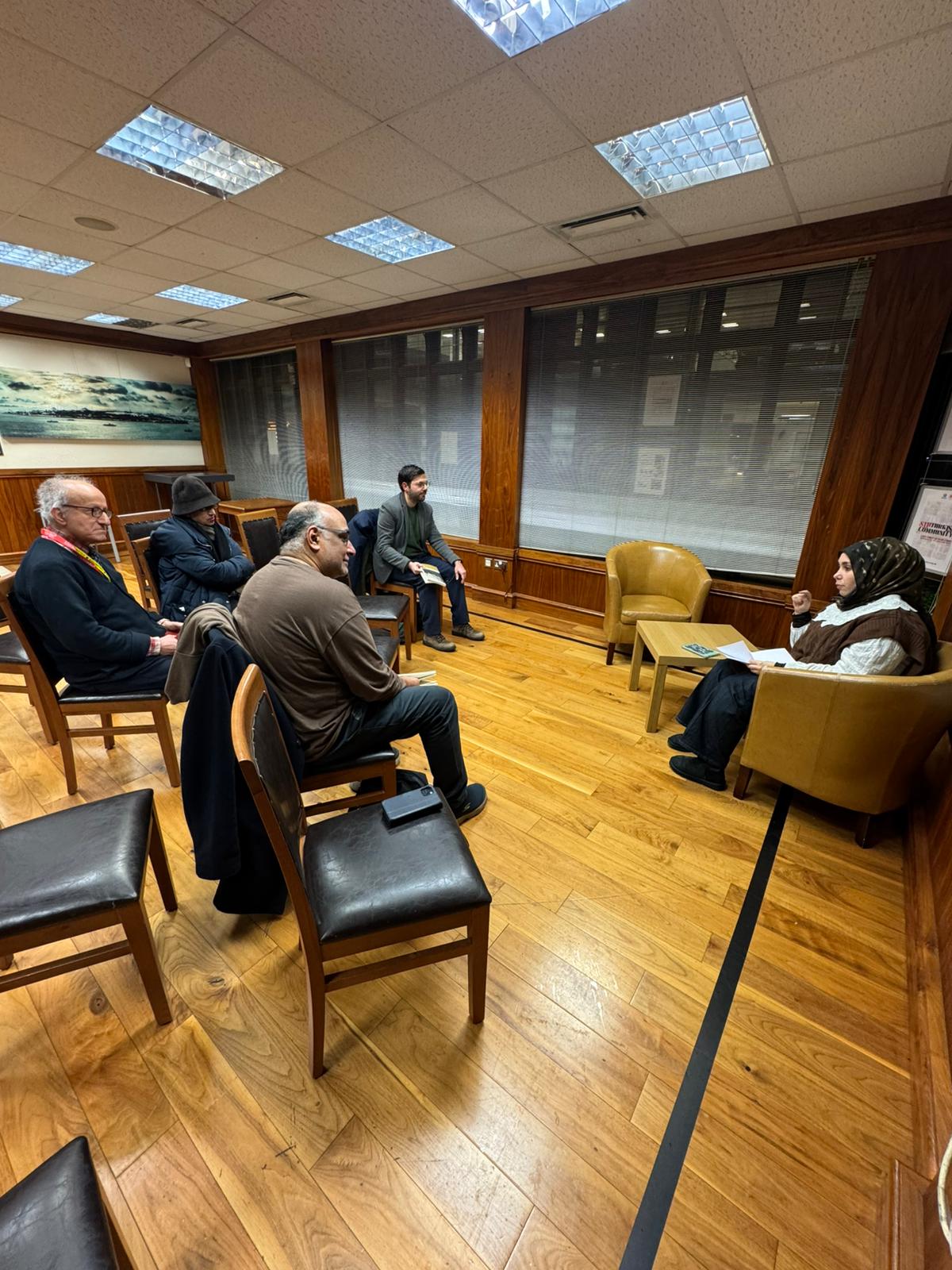
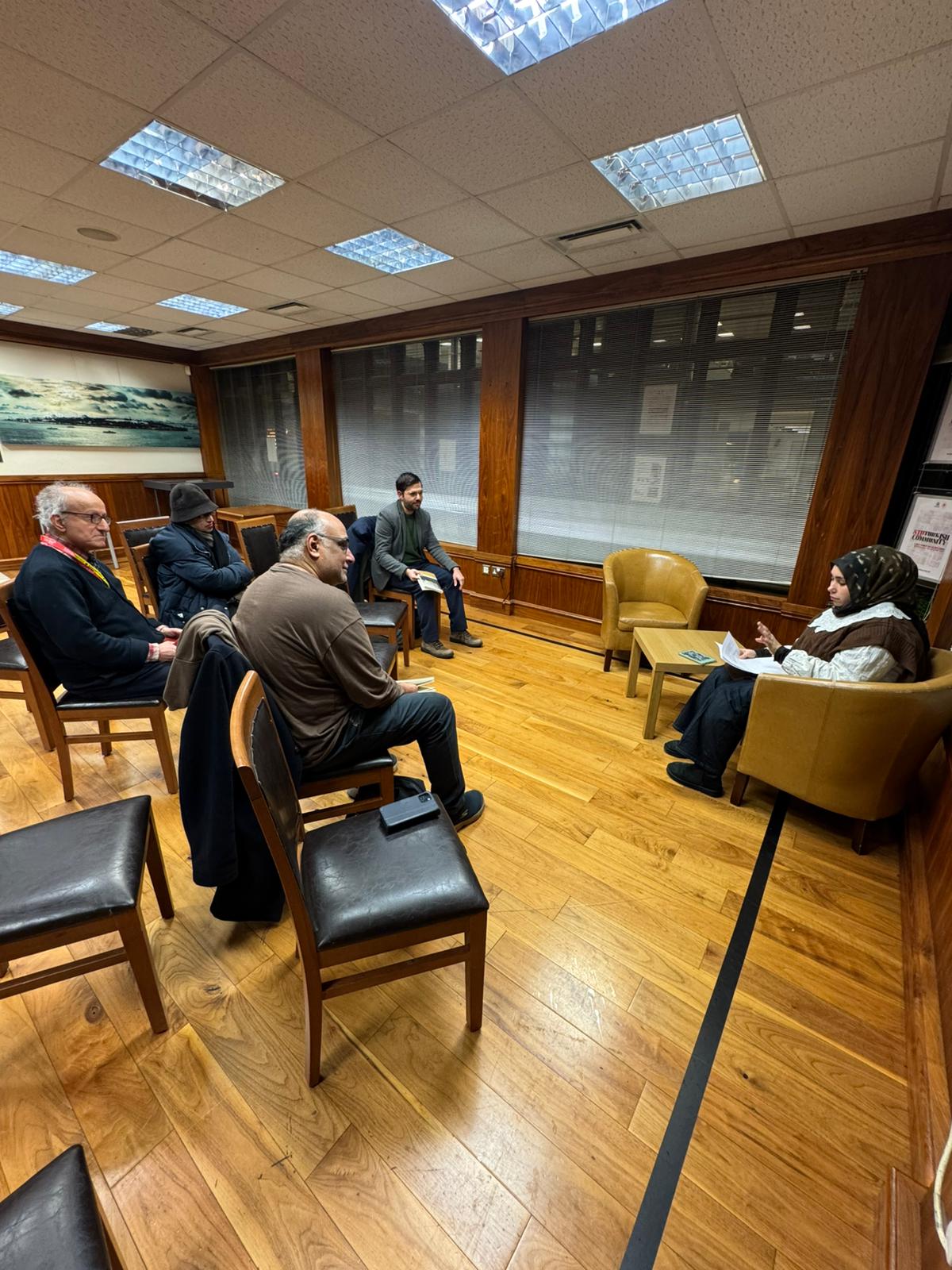
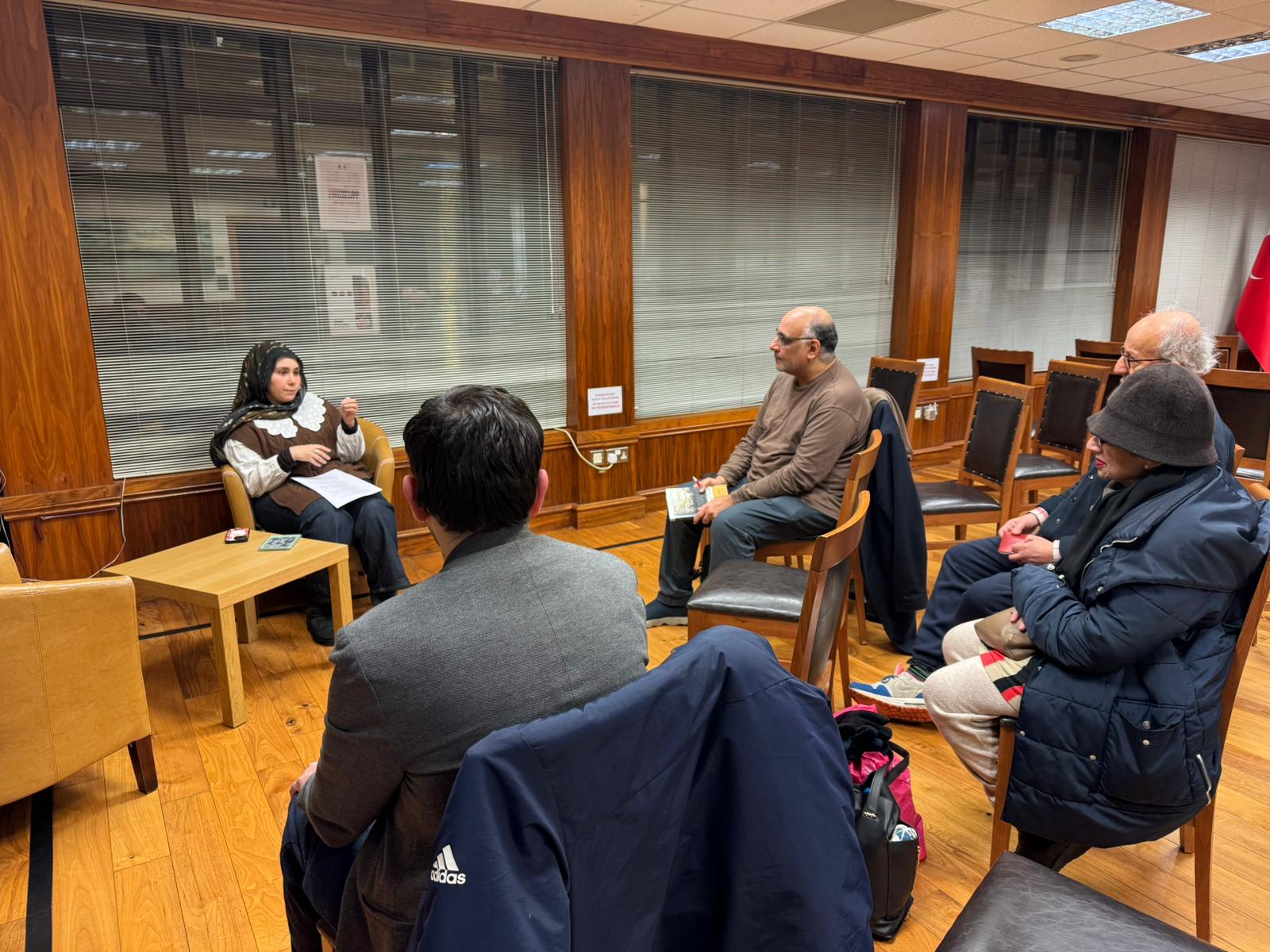
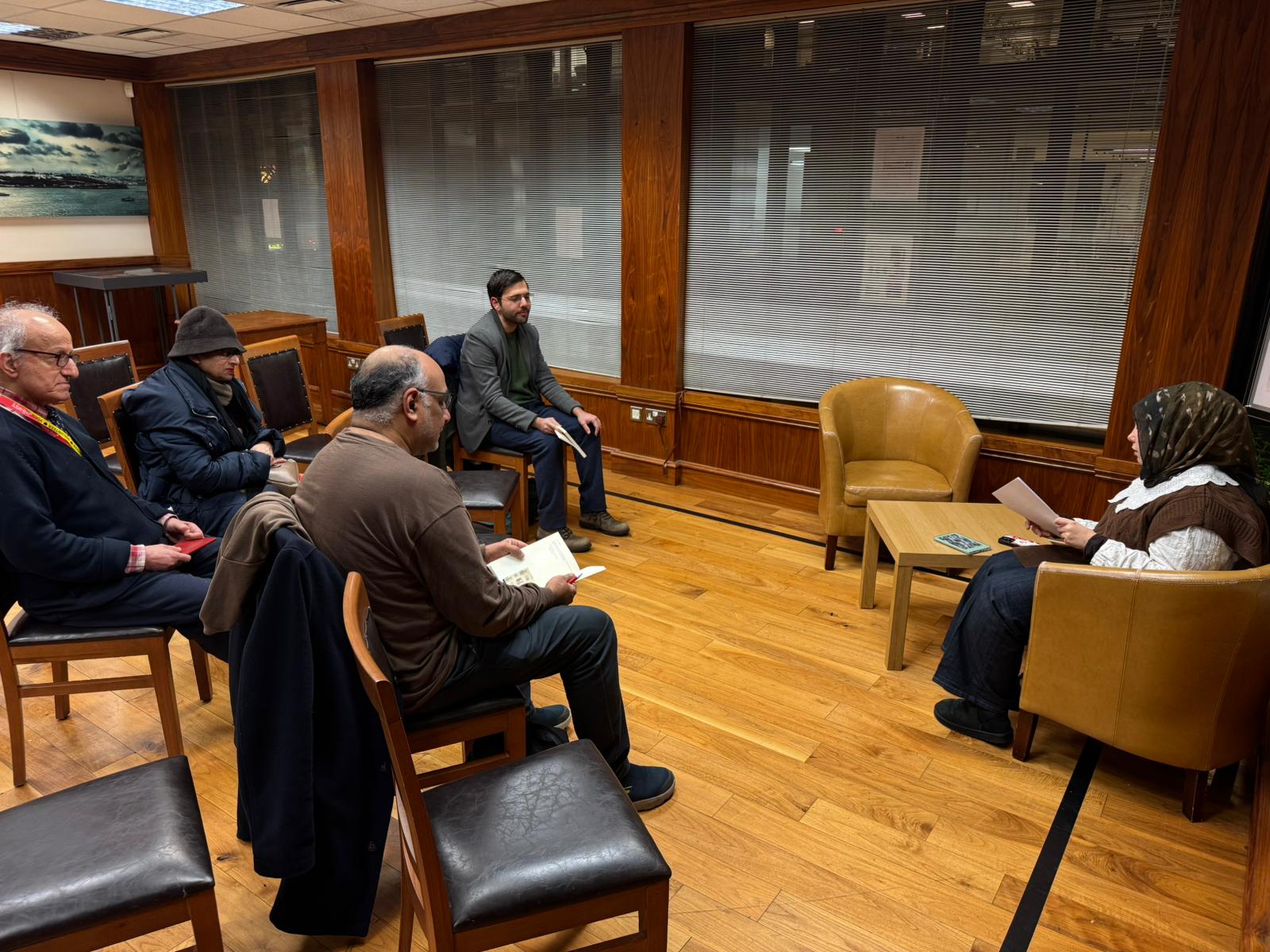
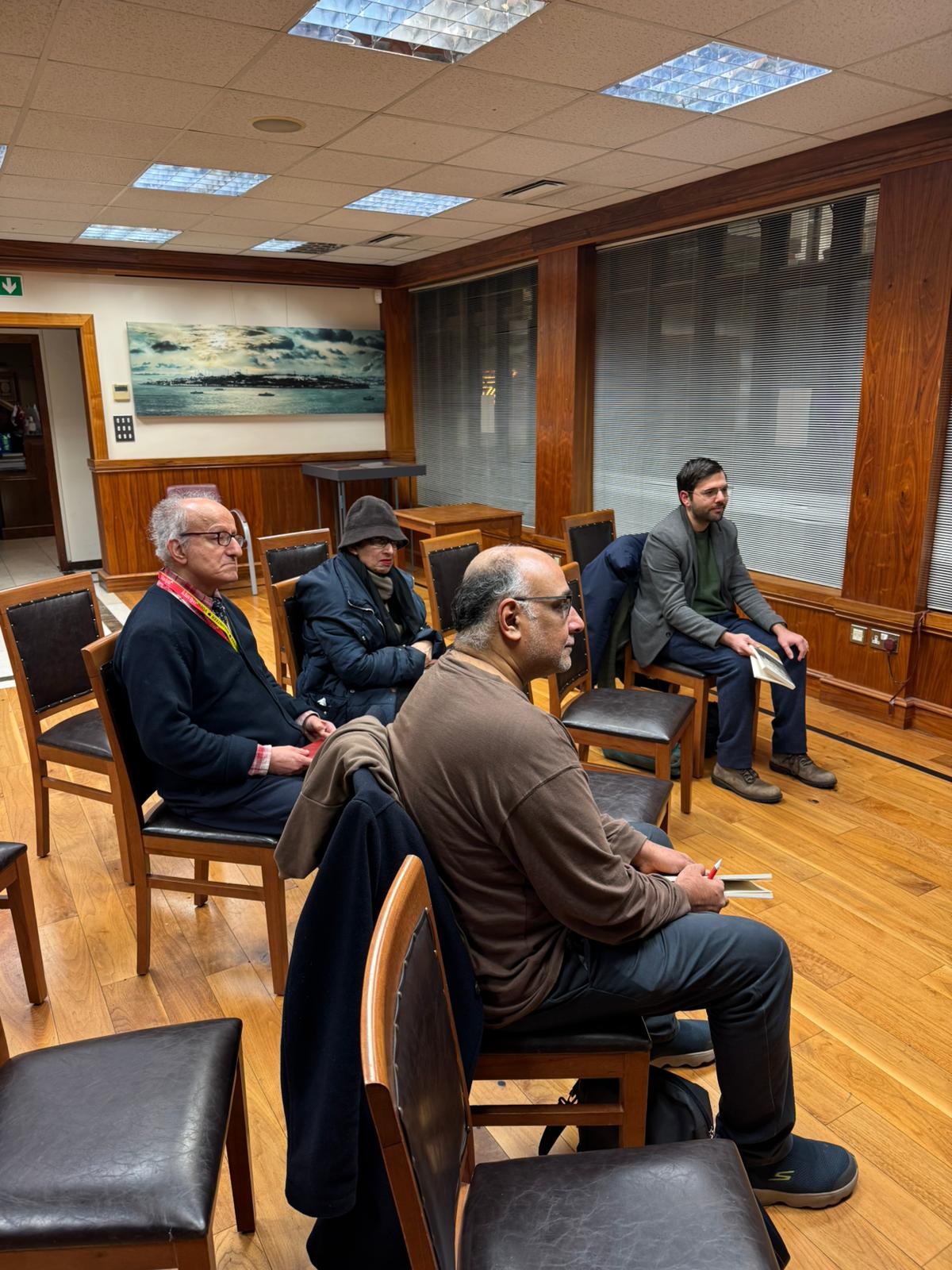
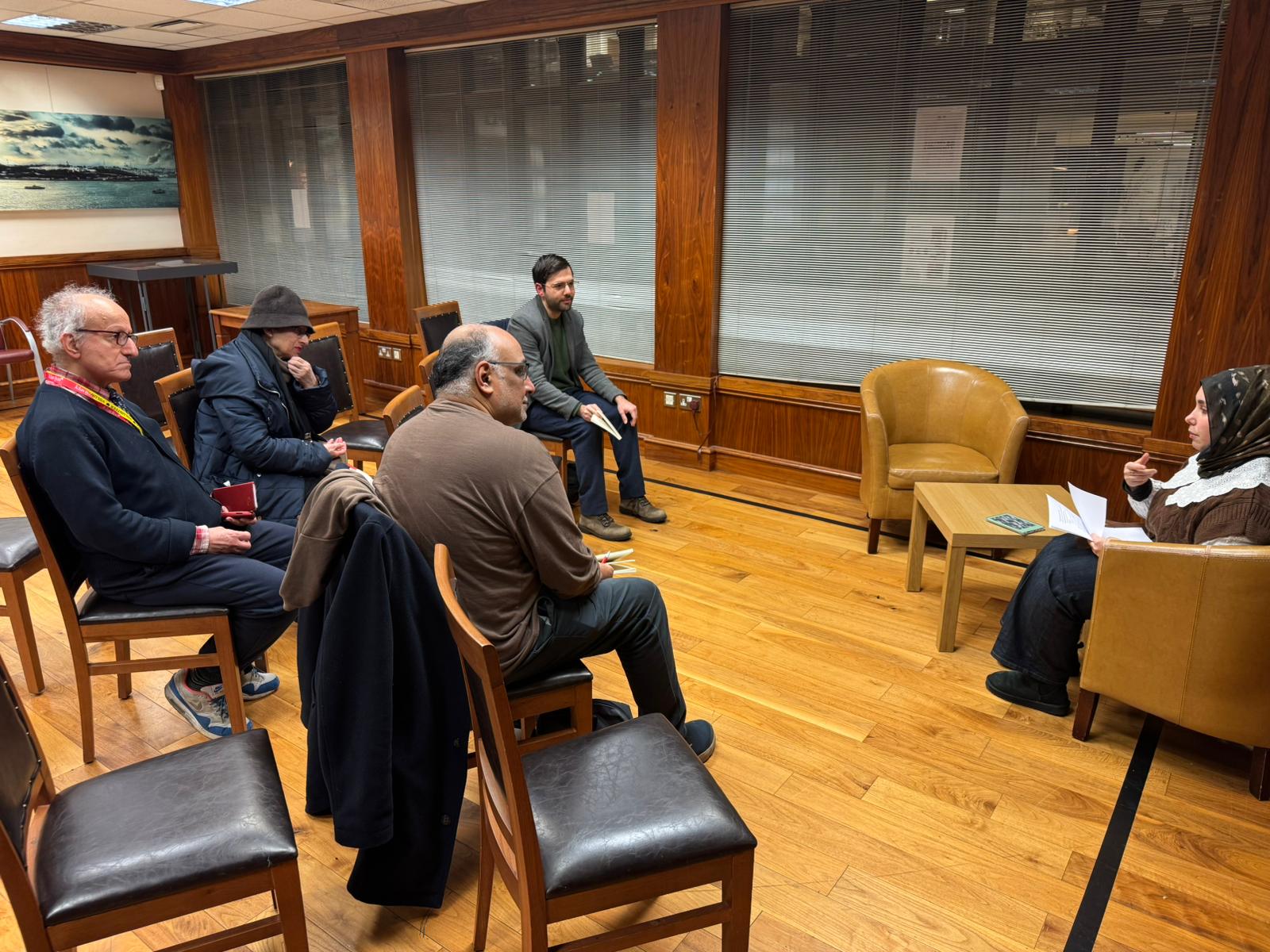
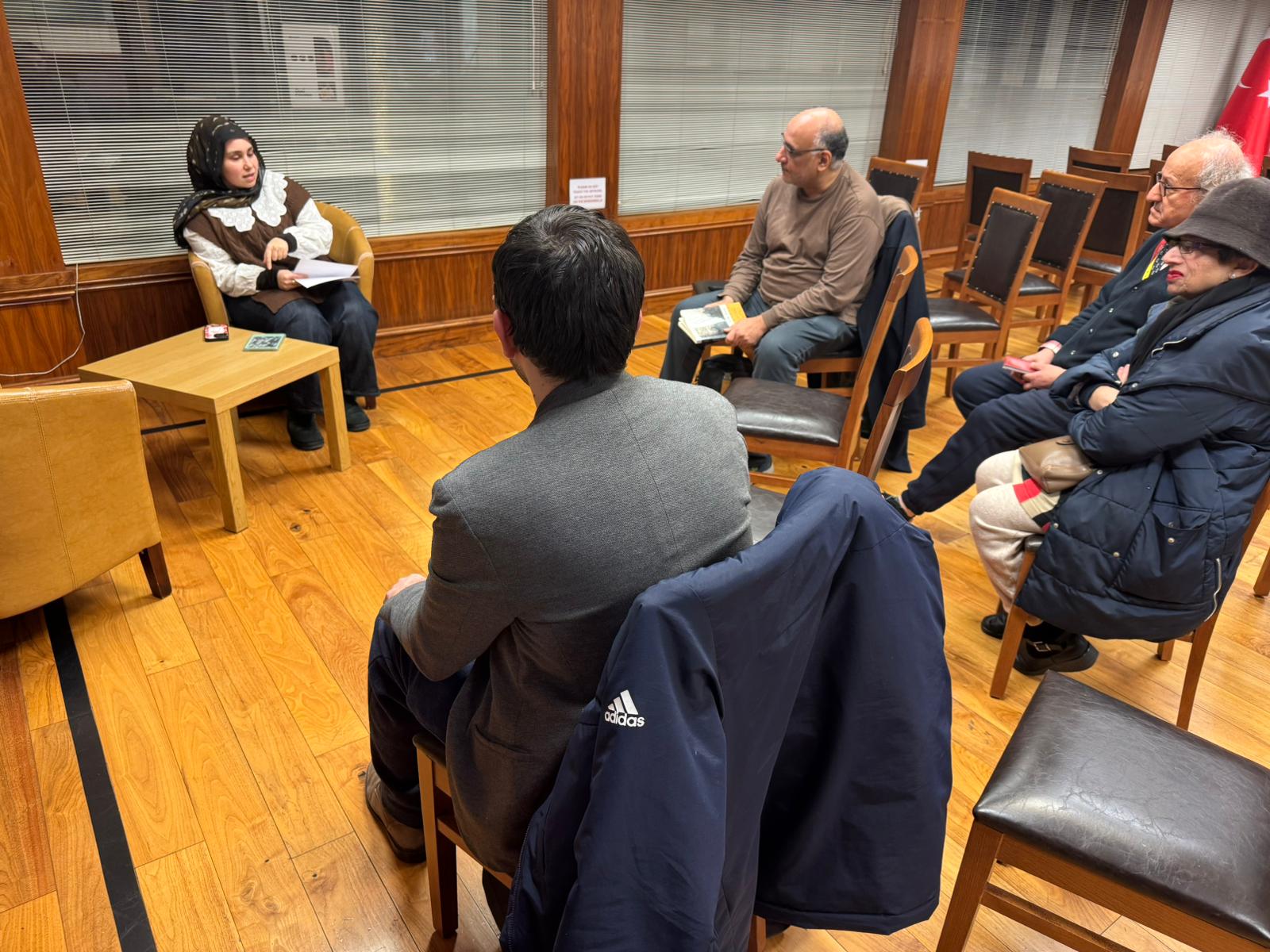
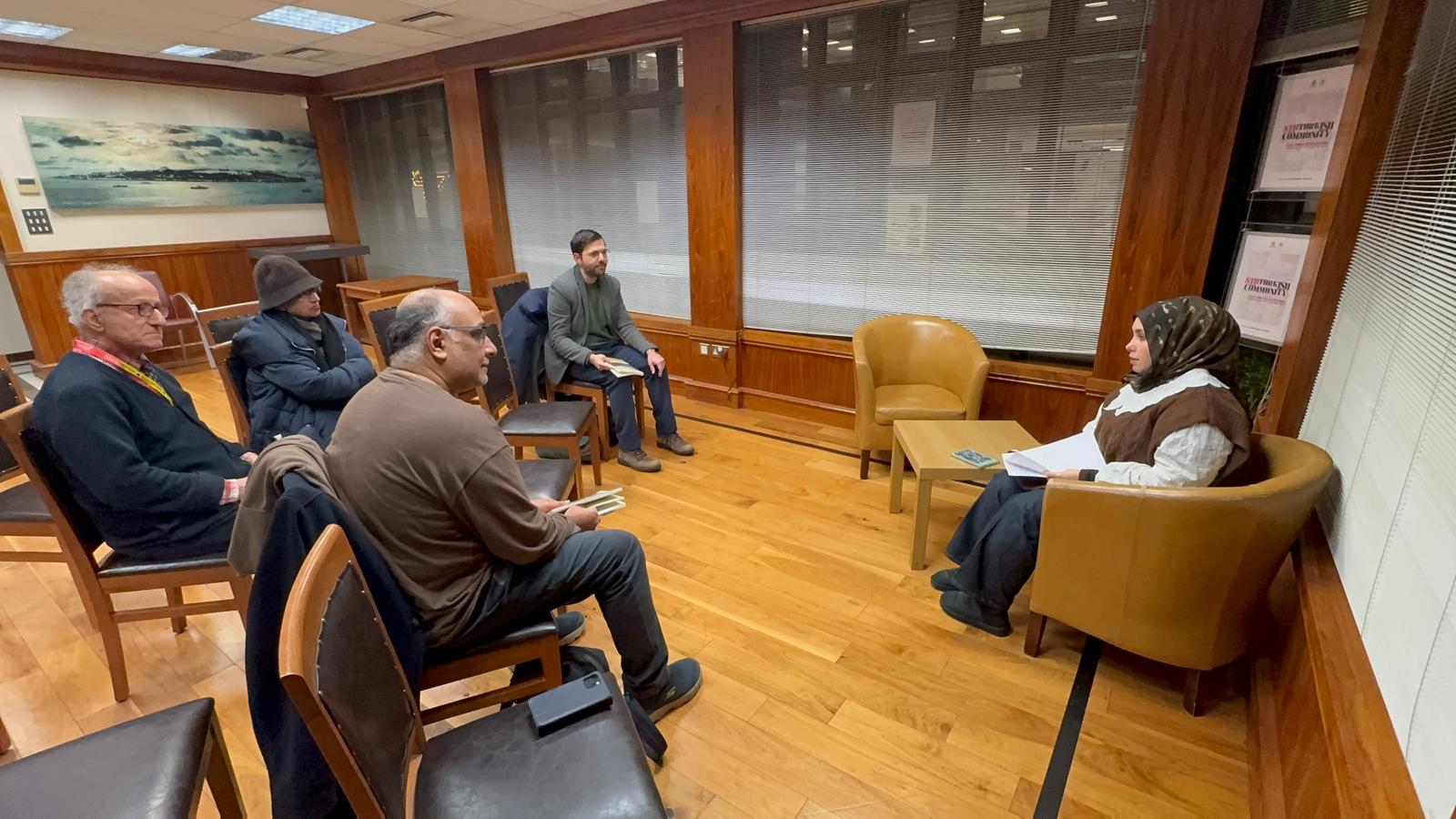
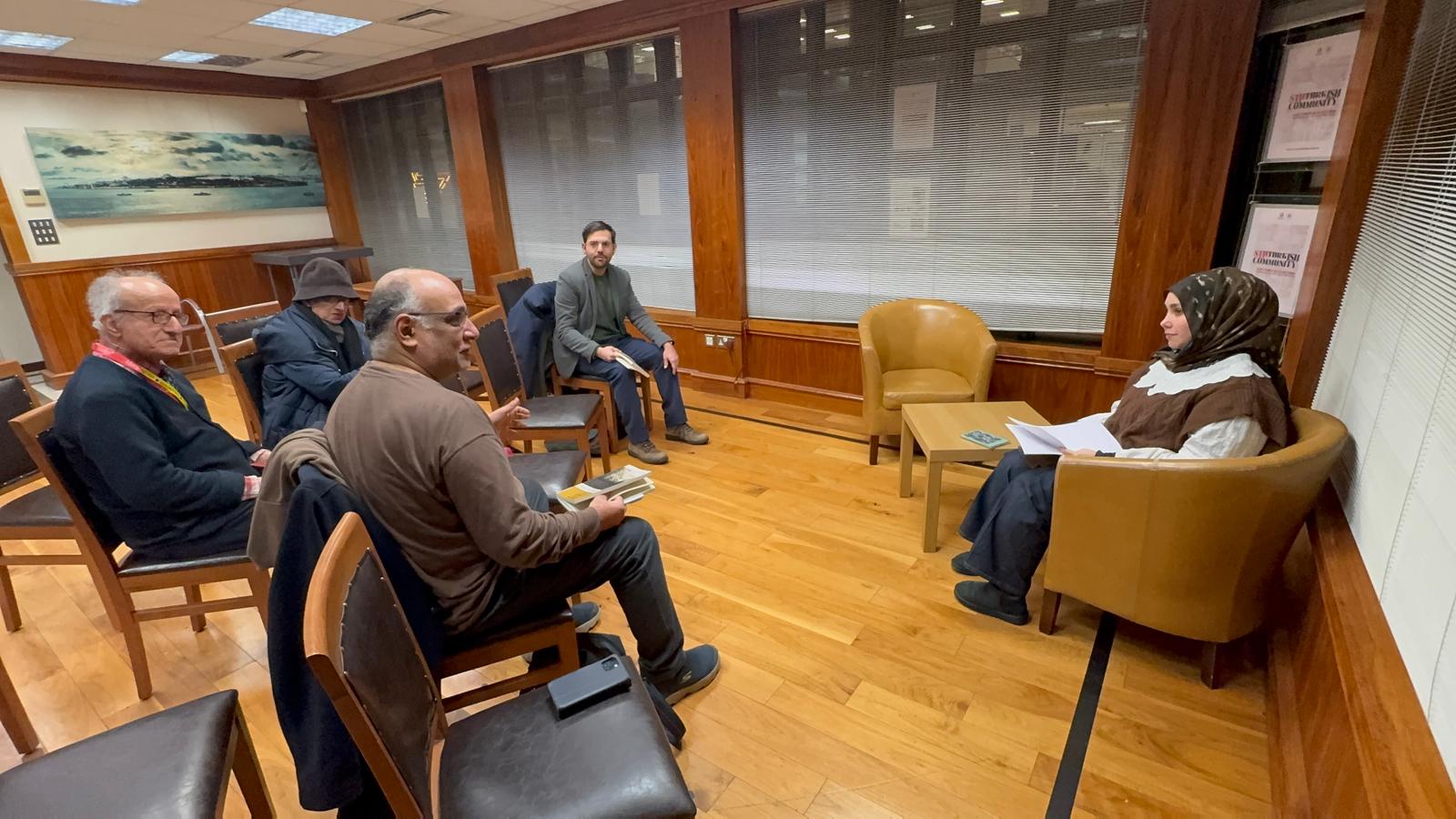
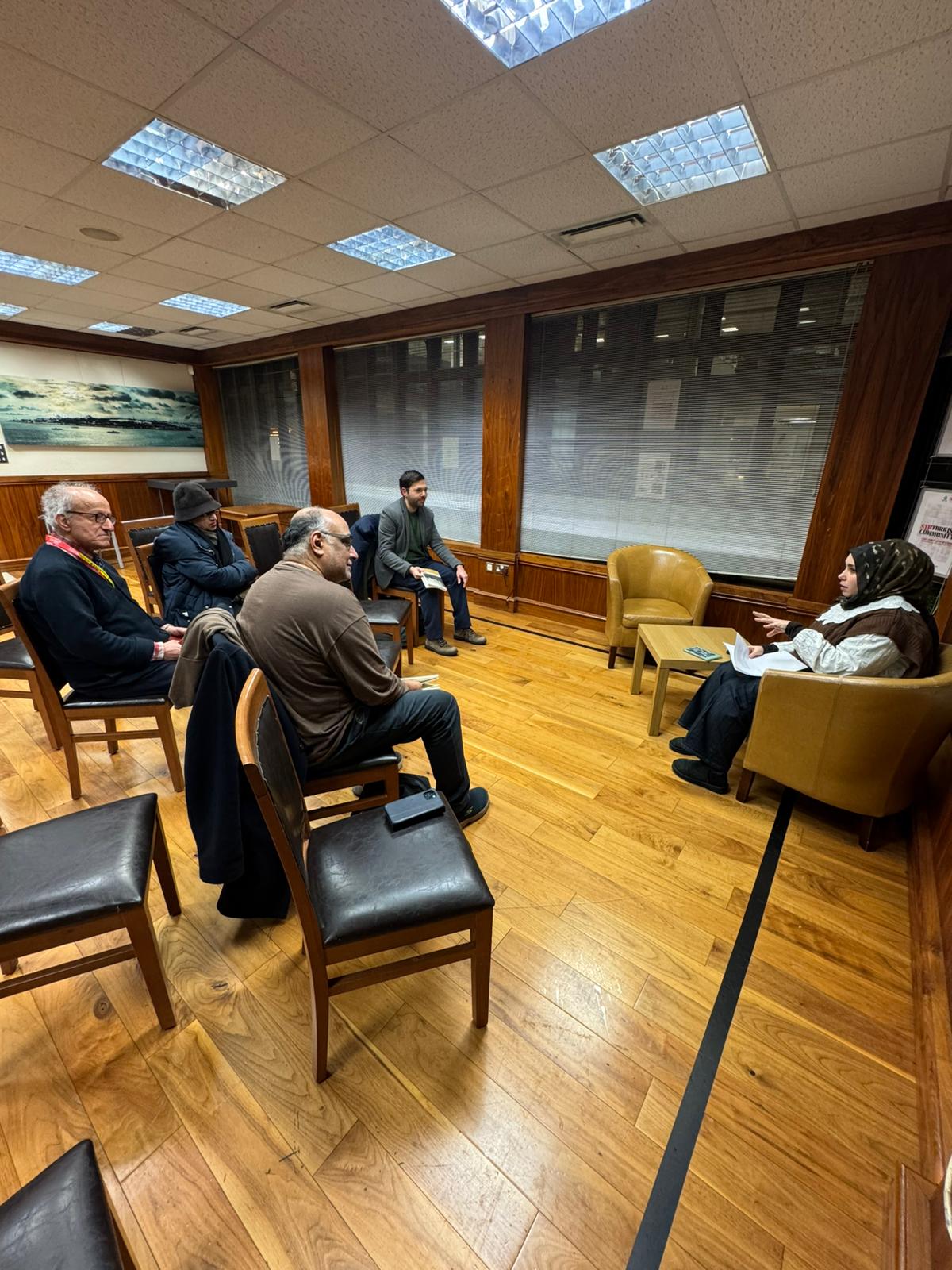
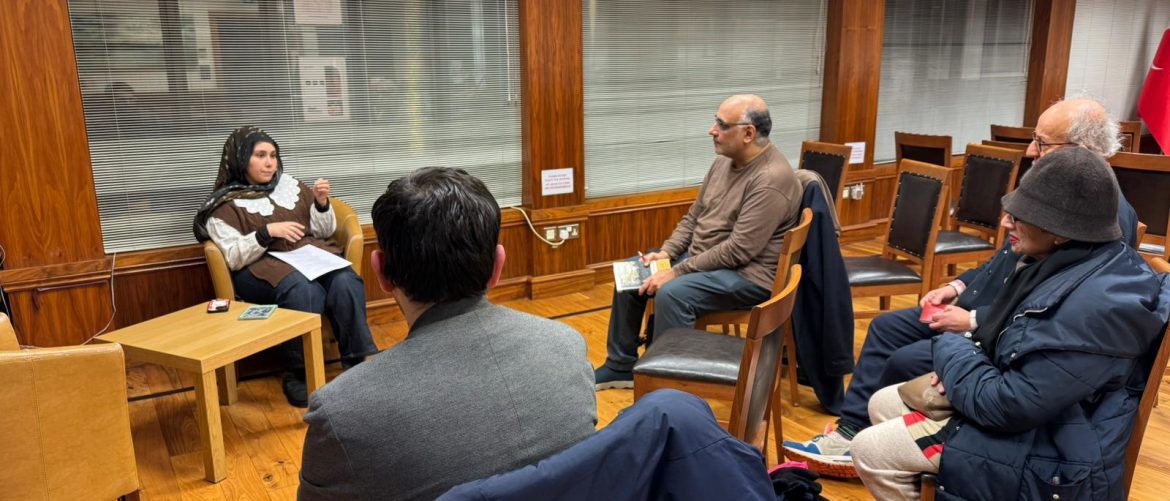
On a 9th January 2026, Yunus Emre Enstitüsü – London opened its doors to a community of seekers. The occasion was the latest edition of the Turkish Bookshelf, a gathering that has fast become a sanctuary for those looking to bridge the gap between the winding streets of Istanbul and the bustling reality of London. This month, the focus turned toward the “father” of the modern Turkish short story, Sait Faik Abasıyanık, and his hauntingly beautiful collection, Sleeping in the Forest.
Though Sait Faik passed away decades ago, his presence was almost physical in the room. Known as the eternal observer of Istanbul’s shores and the humble lives of Burgazada’s fishermen, his elegant, rambling prose served as the centerpiece for a deep analytical journey. The event was structured as a collaborative literary forum, inviting readers to act not just as spectators, but as active participants in unpacking what the group called the “architecture of storytelling.”
The moderated discussion delved into the way Abasıyanık’s work moves fluidly through time. His stories often trace lives that intersect through chance and obsession, set against the layered, historical backdrop of an Istanbul that feels both ancient and immediate. By drawing on the city’s architectural heritage and its maritime soul, the conversation illuminated how the author transforms the city into a metaphor—a place where secrets accumulate in the corners of old streets and the boundaries between reality and fiction blur with a deliberate, dreamlike elegance.
The evening was designed to encourage a communal interpretation of the text, moving seamlessly between academic insights and personal reflections. Attendees explored broader questions of identity and memory, debating Sait Faik’s unique humanism and his place within the global literary canon. There was a shared sense of wonder at how his “forest”—a symbol of both nature and the internal wilderness of the mind—remains so resonant for a modern, international audience.
Perhaps the most telling sign of the evening’s success was what happened after the formal program concluded. As the discussion shifted to informal exchanges over refreshments, the room remained full. Guests lingered long into the night, nursing cups of tea and continuing to debate the nuances of Abasıyanık’s philosophy. This lingering crowd was a testament not only to the author’s enduring relevance but also to the stimulating, warm atmosphere cultivated by the London reading community.
As the Turkish Bookshelf looks forward to its next session, it remains a vital space for showcasing the depth and diversity of Turkish literature. In a city as vast as London, these evenings remind us that literature is, at its heart, a way to find one another in the dark.