 Yunus Emre Institute
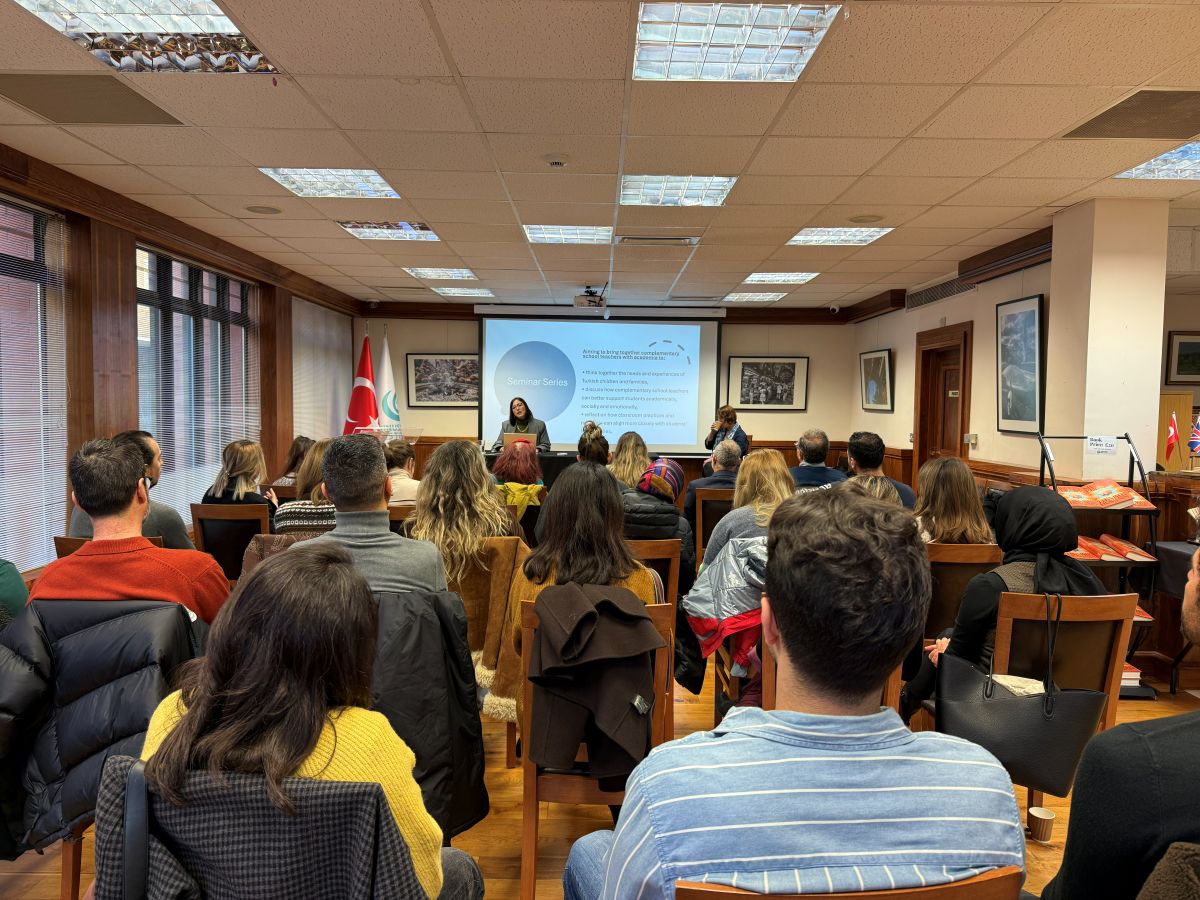
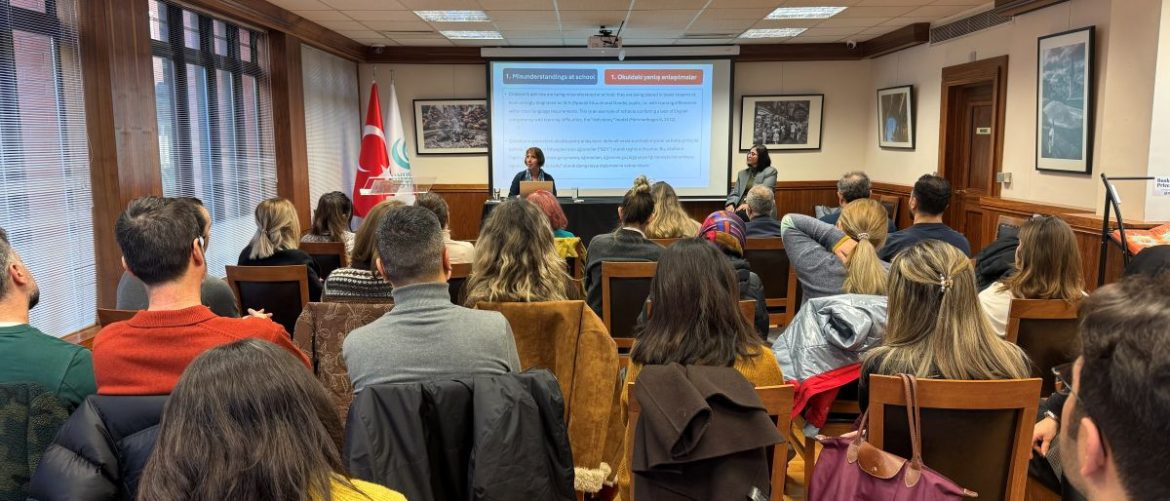
On a bright Wednesday morning this January, the Yunus Emre Enstitüsü – London opened its doors not just to educators, but to the future of a community. The institute hosted a landmark Educational Seminar dedicated to a topic close to the hearts of many: Supporting Turkish Heritage Language Education in the UK. The atmosphere was one of focused determination as teachers, researchers, and community leaders gathered to dismantle the barriers facing Turkish-speaking children in the British school system.
The Architecture of Identity
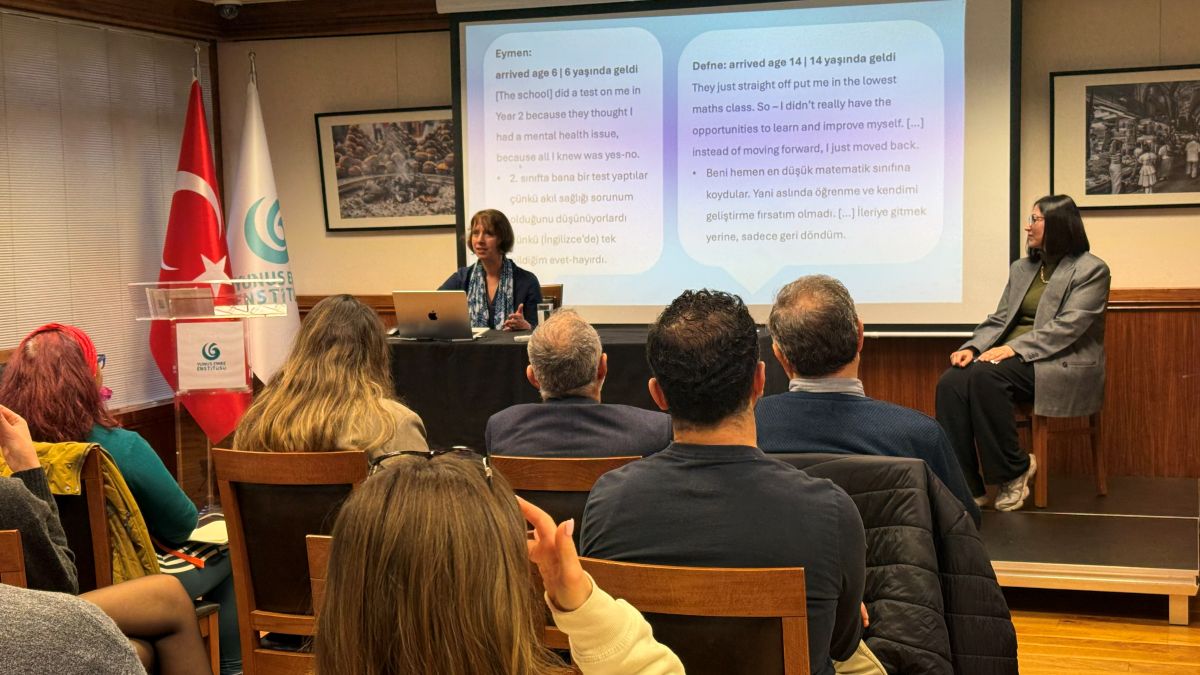
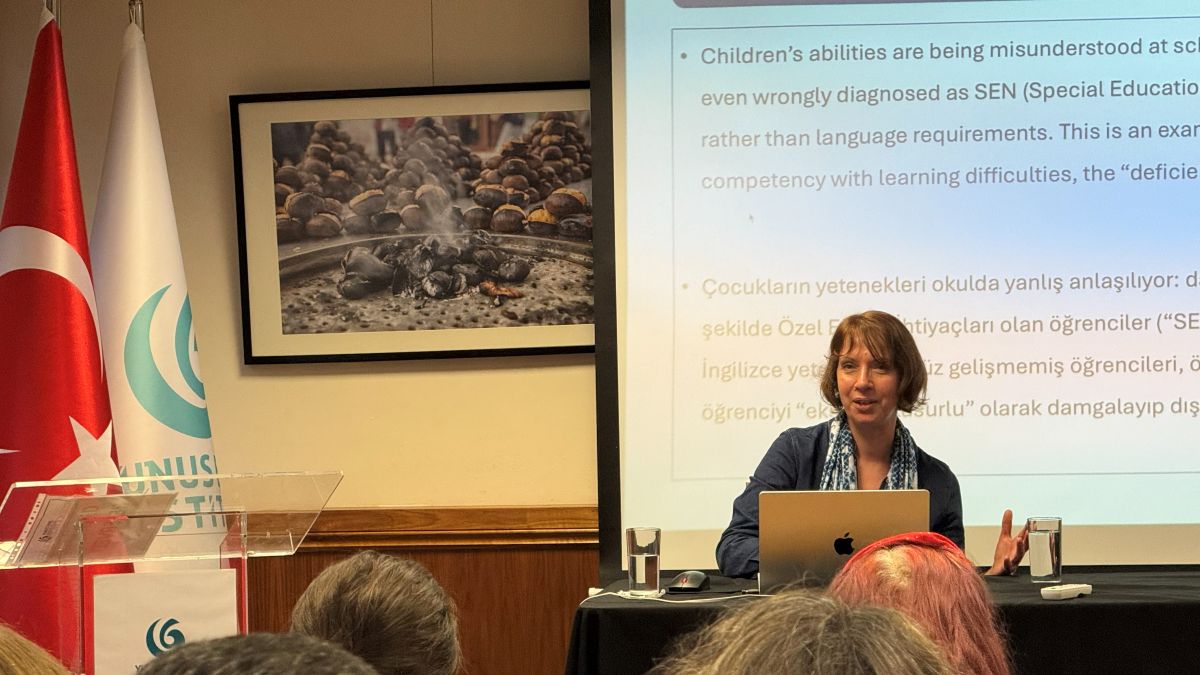
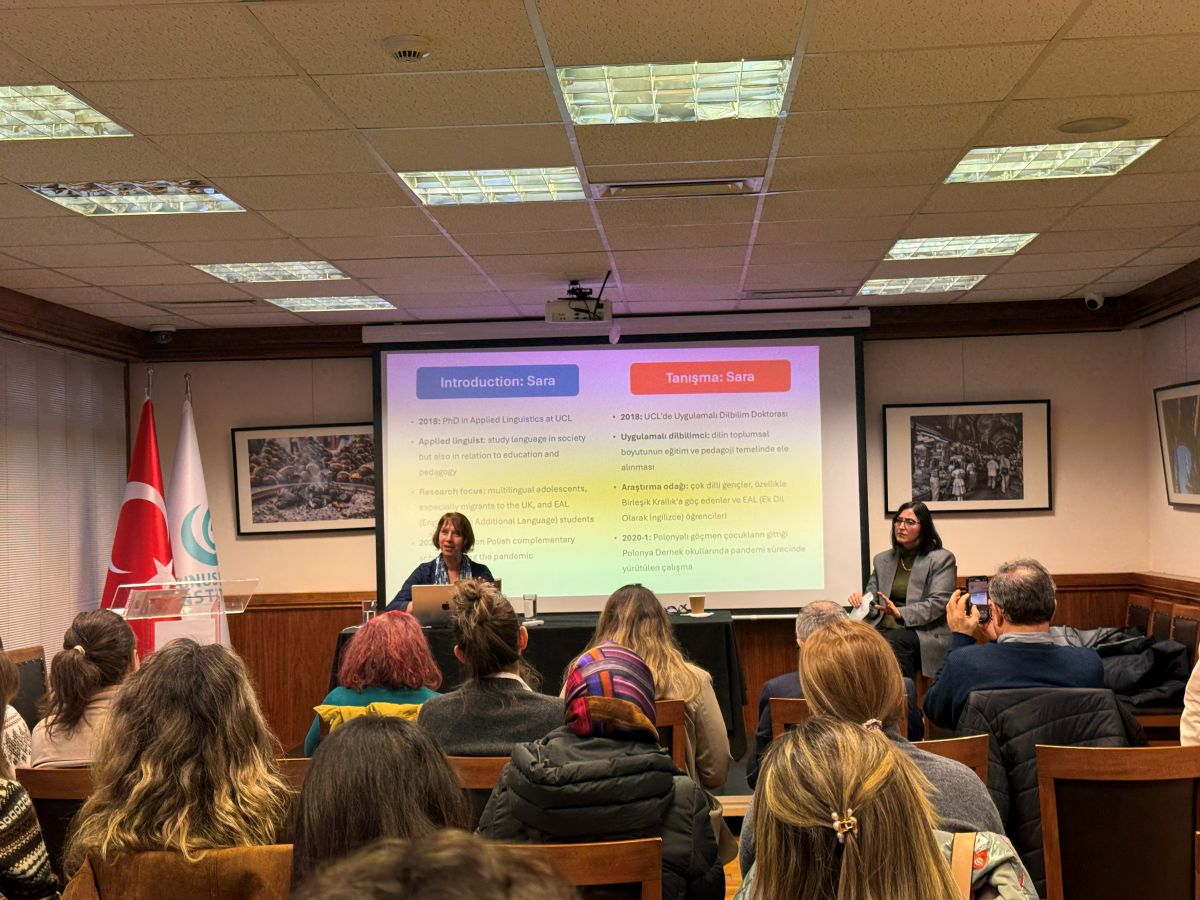
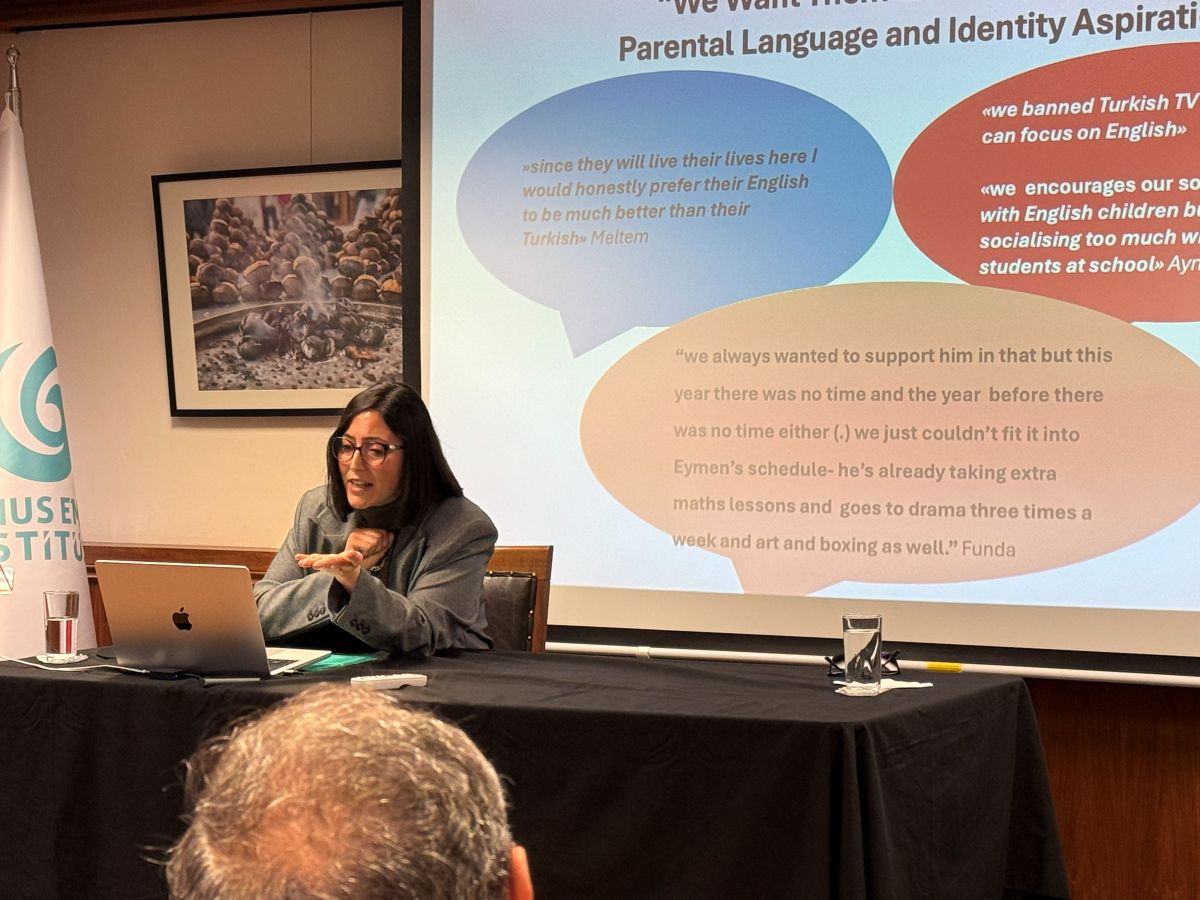
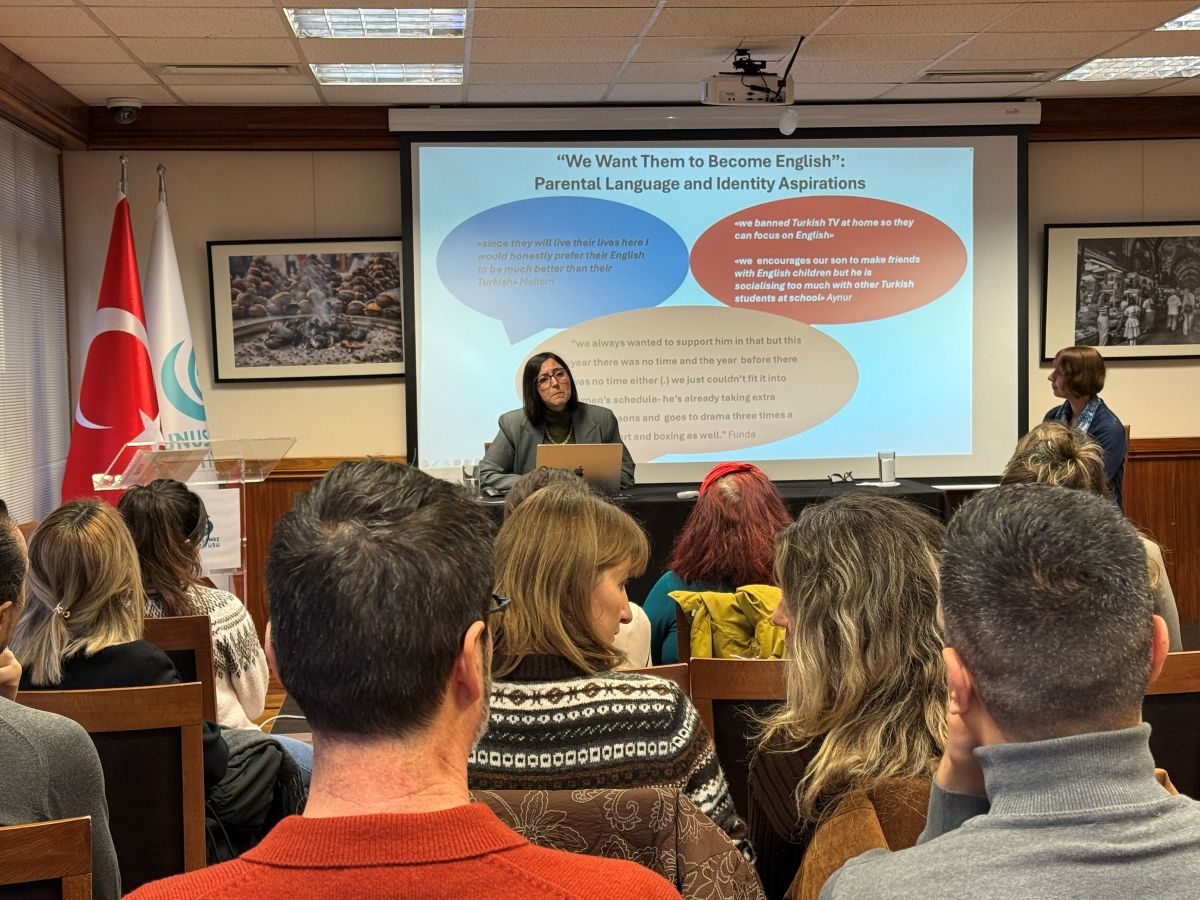
The seminar featured two distinguished voices from University College London (UCL) and Istanbul 29 Mayıs University, Dr. Hasret Saygı and Dr. Sara Young. Together, they presented the findings of their recent field studies—work that serves as a mirror to the lived experiences of Turkish families across the country.
The session was structured as a deep dive into the “architecture of integration.” Dr. Saygı opened the floor with a poignant look at the realities of being a Turkish parent in the UK, navigating the delicate balance between accessing a new education system and preserving the mother tongue. Dr. Young followed, illuminating the specific hurdles Turkish children face regarding linguistic adaptation and the often-invisible “access barriers” within British schools.
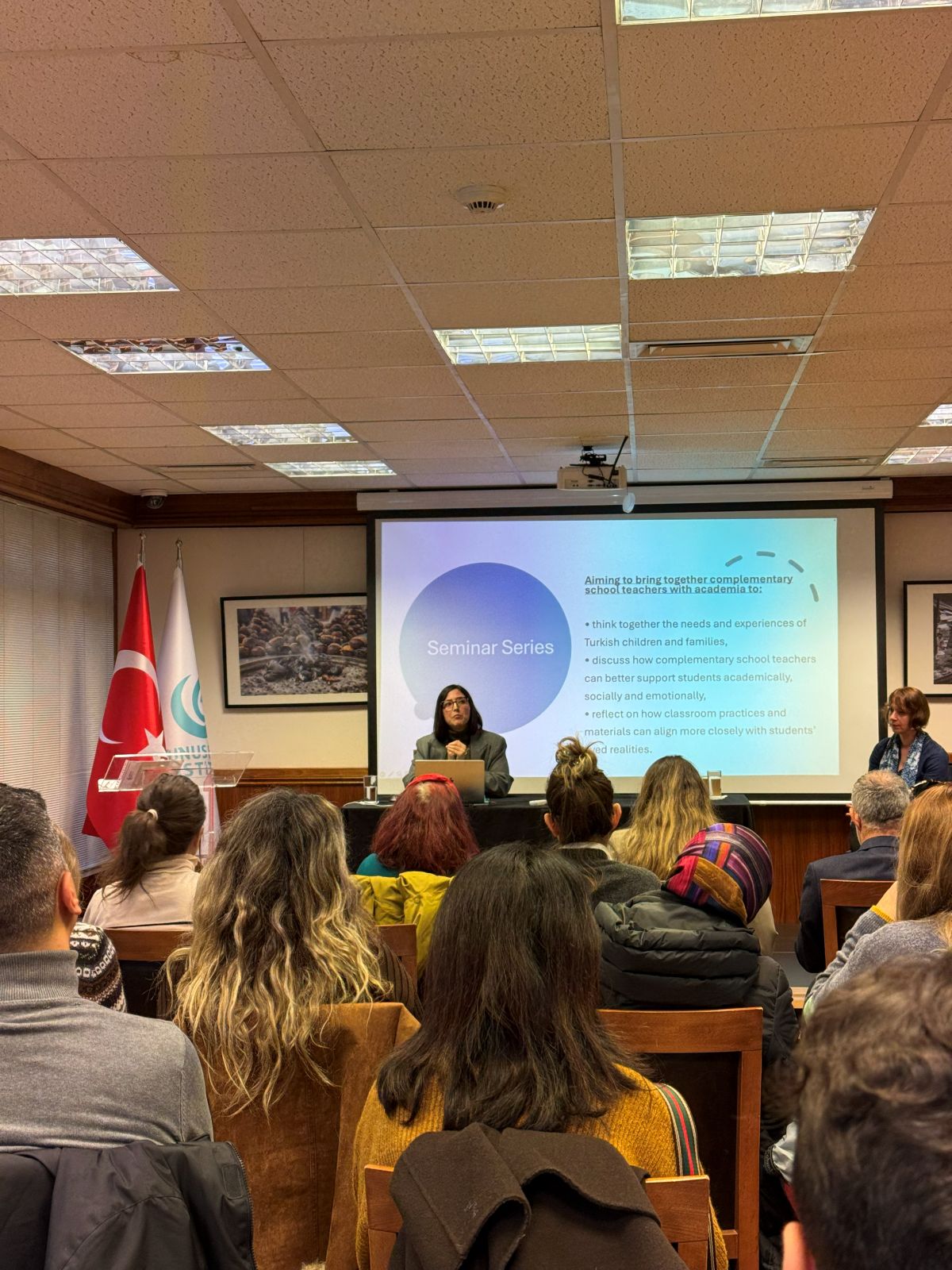
True to Yunus Emre Enstitüsü – London’s mission of being a living bridge, the event was far more than a lecture. It was a collaborative forum designed to Unpack Challenges by discussing the real-world difficulties families face in maintaining Turkish fluency while mastering English, Empower Educators by creating a space where teachers could share their frontline experiences, needs, and expectations, and Design the Future by brainstorming practical, effective ways to support both students and parents in their educational journeys.
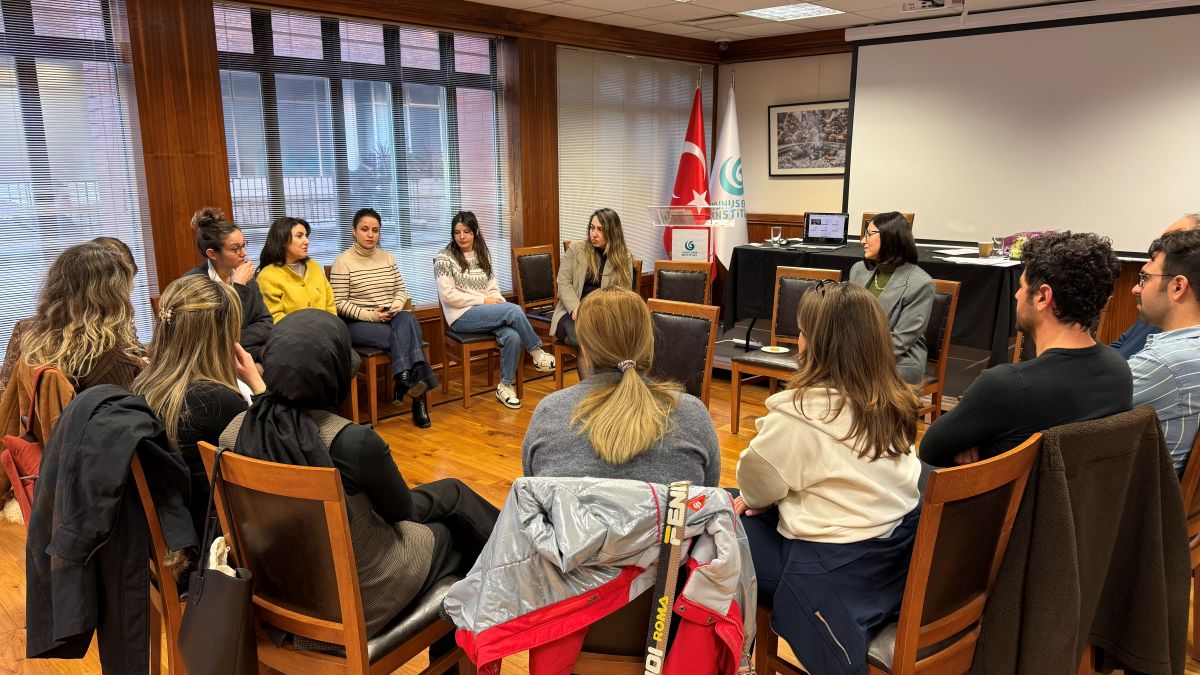
The most transformative part of the day occurred after the tea break. In a move toward communal interpretation, the group transitioned into a Round Table Discussion. This wasn’t just a Q&A; it was a strategic exchange of wisdom.
Teachers and researchers sat side-by-side to ensure that future workshops, materials, and seminars are not just academic theories, but practical tools tailored to the actual needs of the classroom. The fact that the dialogue continued long into the afternoon—filled with shared stories of struggle and success—was a testament to the deep resonance of this mission.
As the morning concluded, the message was clear: preserving a heritage language is not a barrier to integration, but a foundation for it.