 Yunus Emre Institute
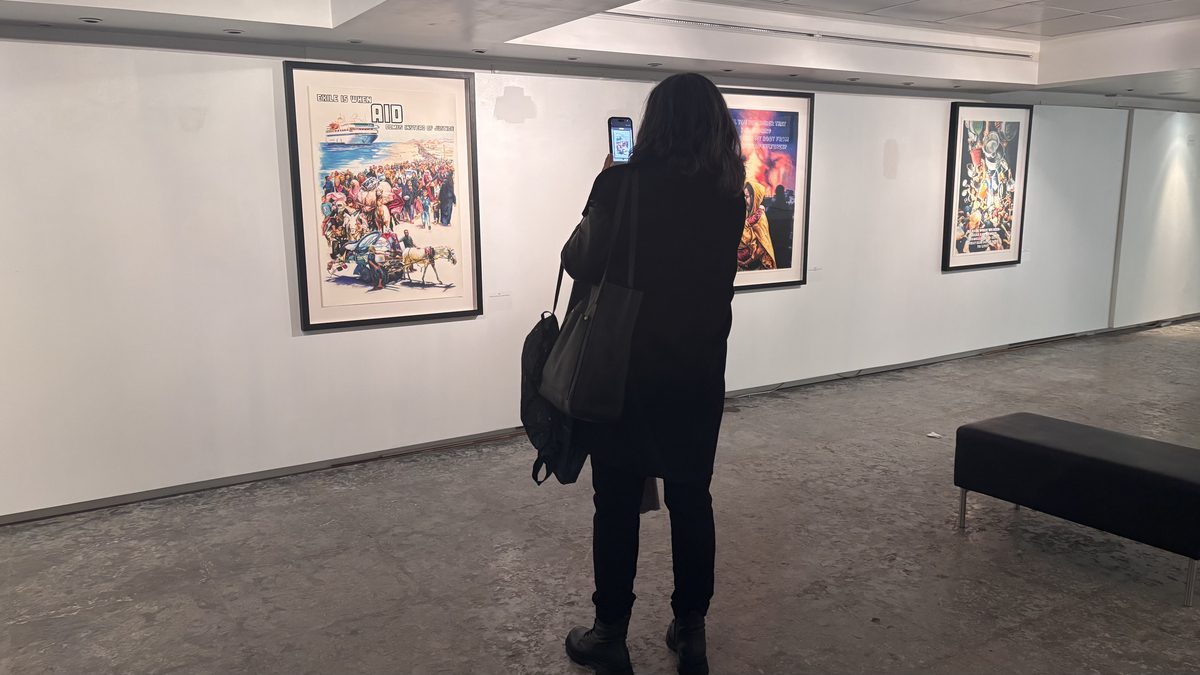
In January 2026, the P21 Gallery was transformed into a profound space of quiet, resonant power as it hosted “Posters to the Olive Tree of Exile,” a solo exhibition by Turkish artist Yusuf Aygeç. Sponsored by Yunus Emre Enstitüsü – London, the collection arrived at a moment of deep global grief, offering a visual sanctuary to process the relentless destruction and humanitarian crisis in Gaza that had unfolded since October 2023.
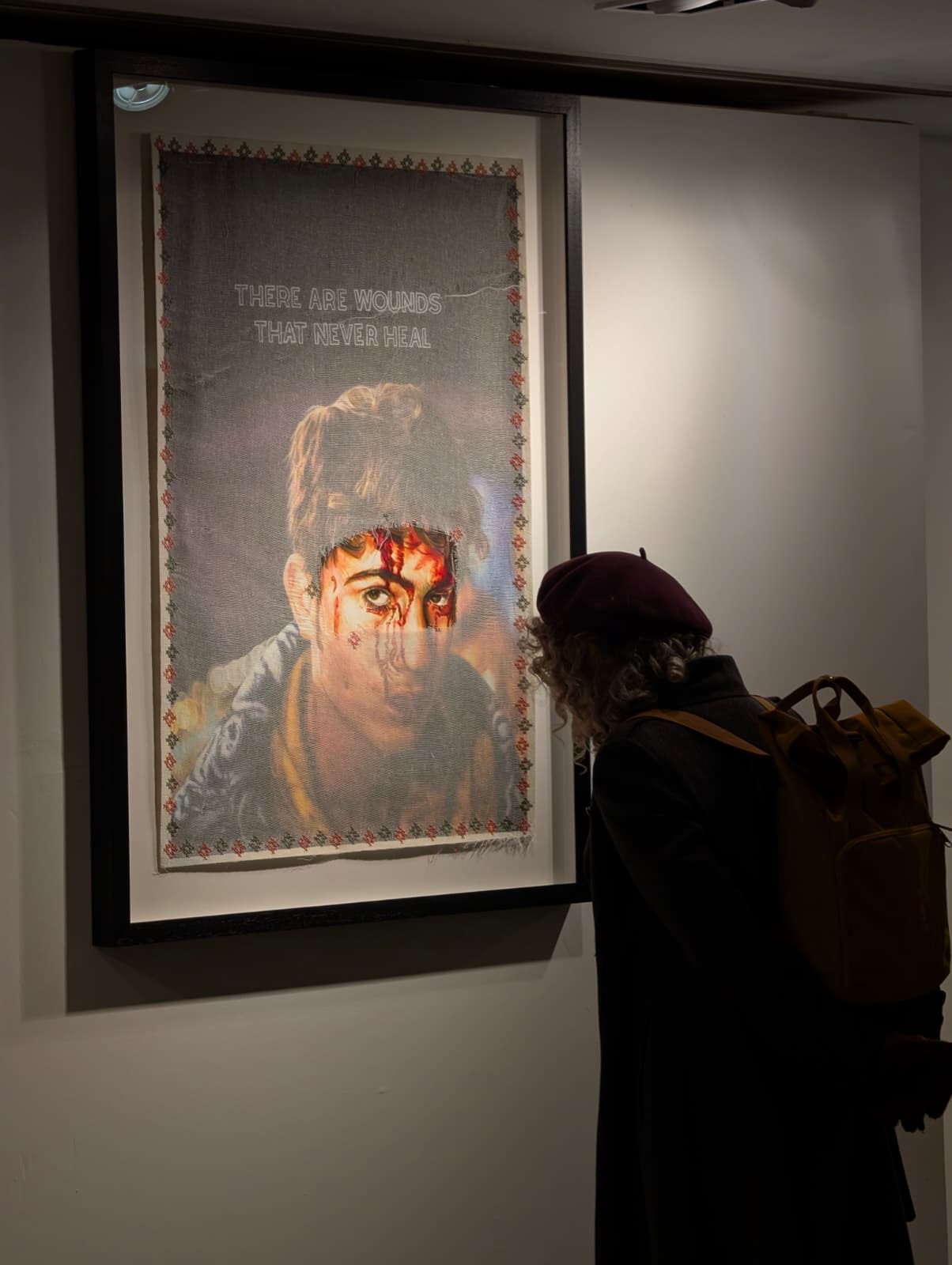
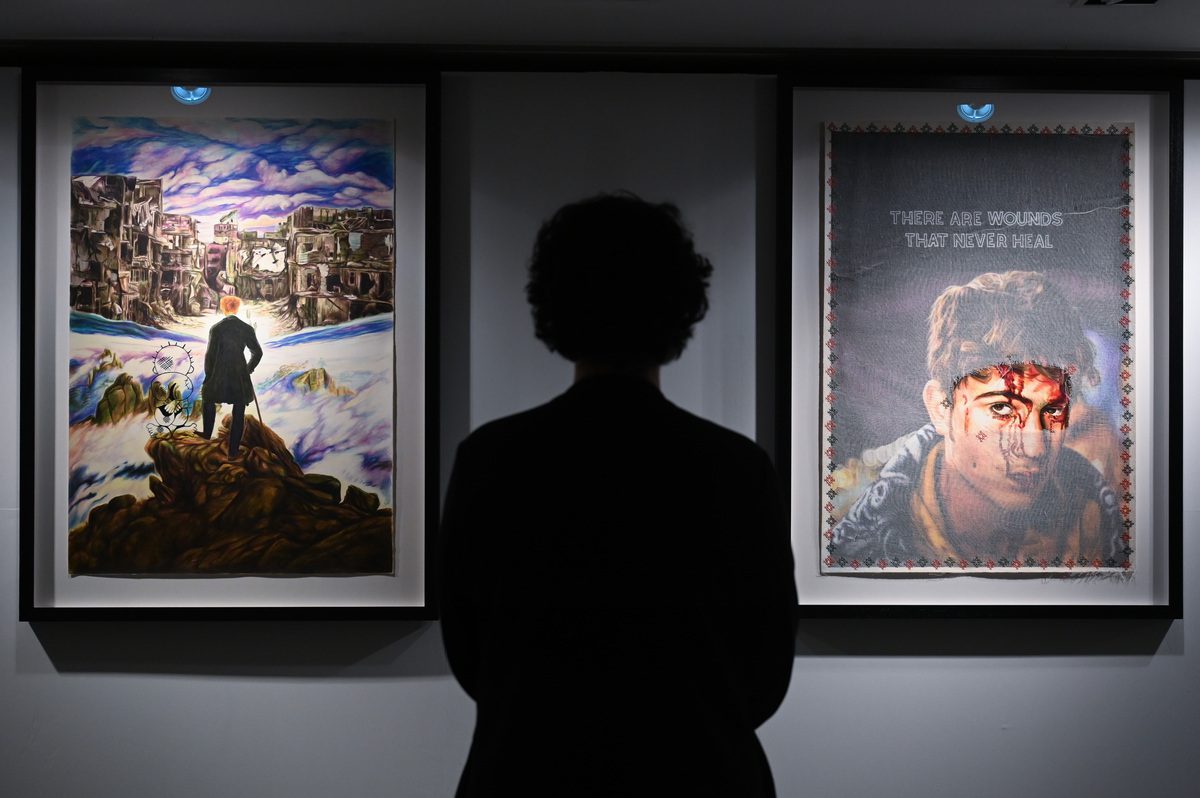
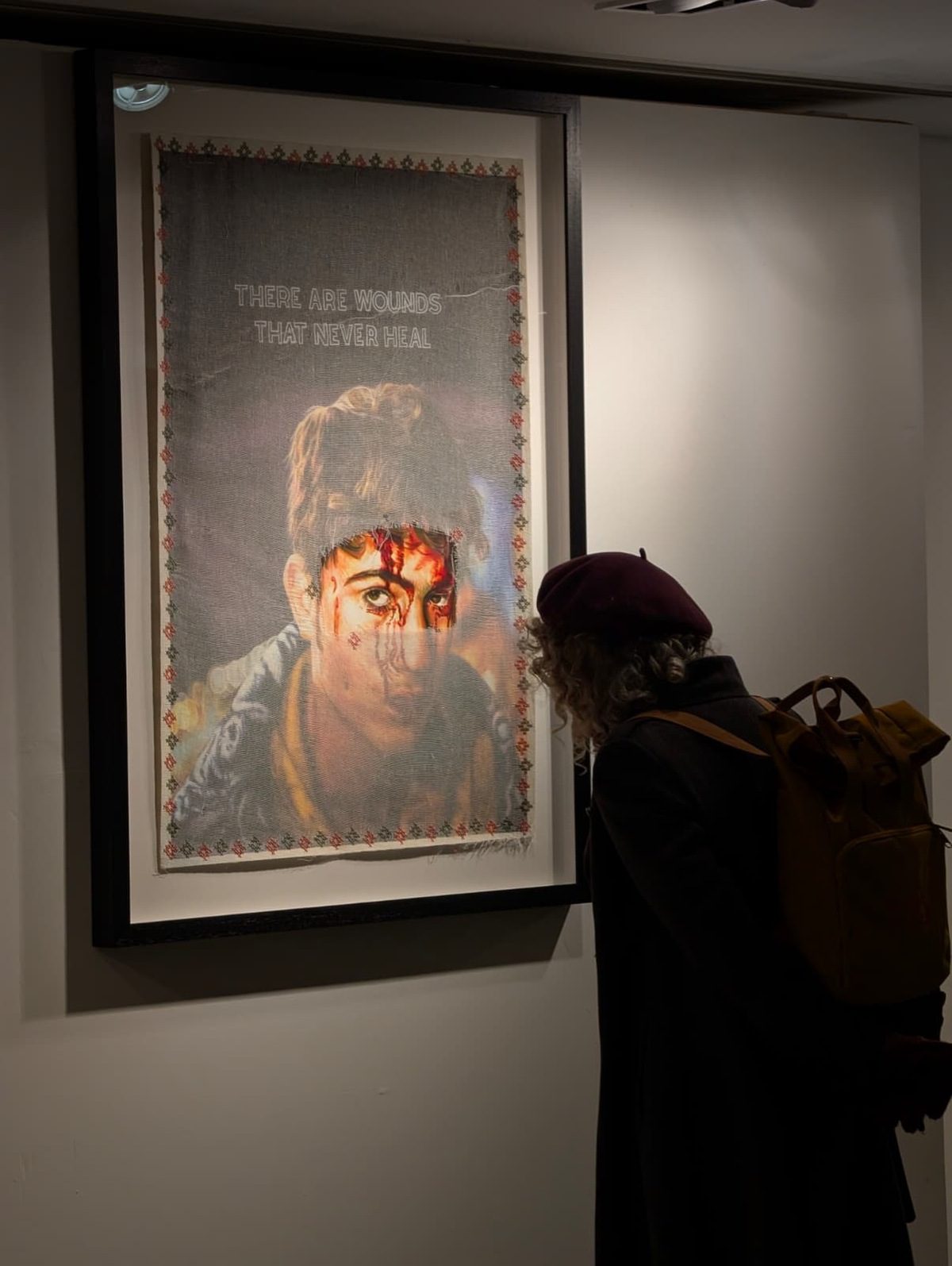
Aygeç did not seek to recreate the visceral images of violence that had saturated global media. Instead, he explored the “architecture of memory,” tracing the psychological and emotional reverberations of displacement and loss. Each work, rendered delicately in soft pastel on Fabriano paper, acted as a letter addressed to the olive tree. As a symbol of endurance and resistance across the Mediterranean and Palestine, the olive tree served as the silent protagonist of the exhibition, acting as a rooted witness to histories often subjected to systematic erasure.
The artist’s aesthetic language was one of “deliberate elegance.” His lines touched the fragile layers of collective memory, transforming mourning into a form of aesthetic resistance. Supported by Yunus Emre Enstitüsü – London, the exhibition emphasized that art is not merely a mirror of tragedy, but an ethical space of witnessing—a visual archive created against the political tool of forgetting.
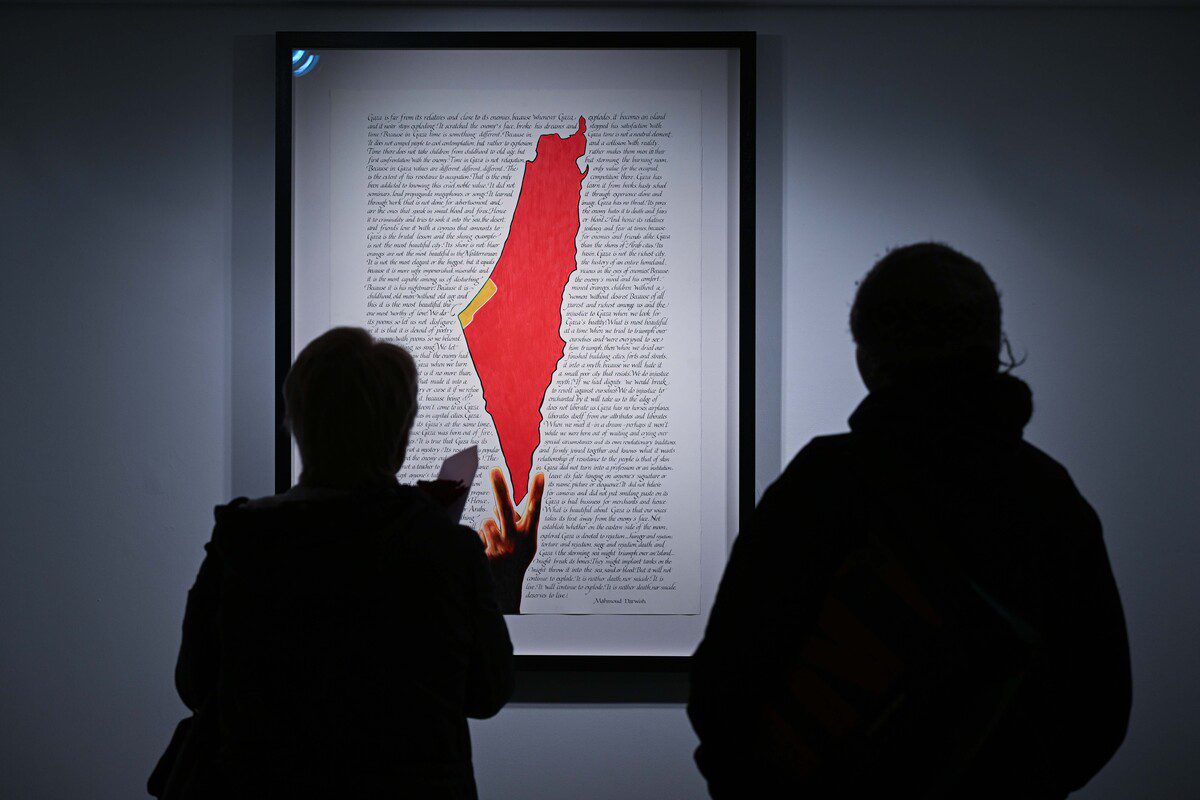
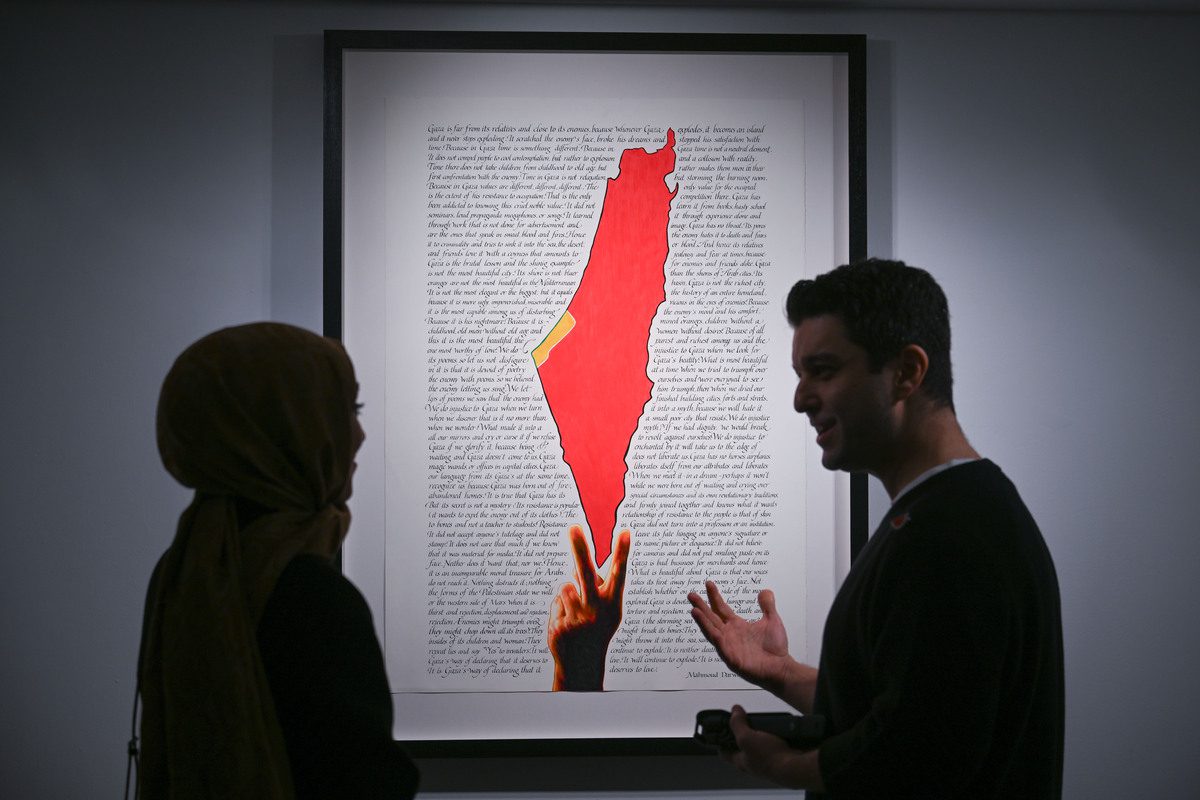
One of the most moving aspects of the exhibition was the invisible thread connecting Aygeç’s drawings to the poetry of Mahmoud Darwish, the Palestinian national poet. Throughout the gallery, Darwish’s verses resonated like wind passing through branches, creating a subtle “memory-line” between the written word and the visual image. This connection emphasized that while bodies might be displaced, the stories and landscapes to which they belonged remained indelible.
Curated by Samed Karagöz with a focus on contemporary political aesthetics, the exhibition invited the London community to engage with the power of the line to preserve identity. Featured works, such as the hauntingly evocative Handala, reminded visitors that the role of the artist is to hold the light even when the shadows of history grow long.
Yusuf Aygeç, a graduate of Marmara University whose work has been featured from Istanbul to Dubai, brought a uniquely empathetic Turkish perspective to this global crisis. By focusing on themes of individual memory and space, he reminded the audience that every statistic represented a life, a story, and a heritage.
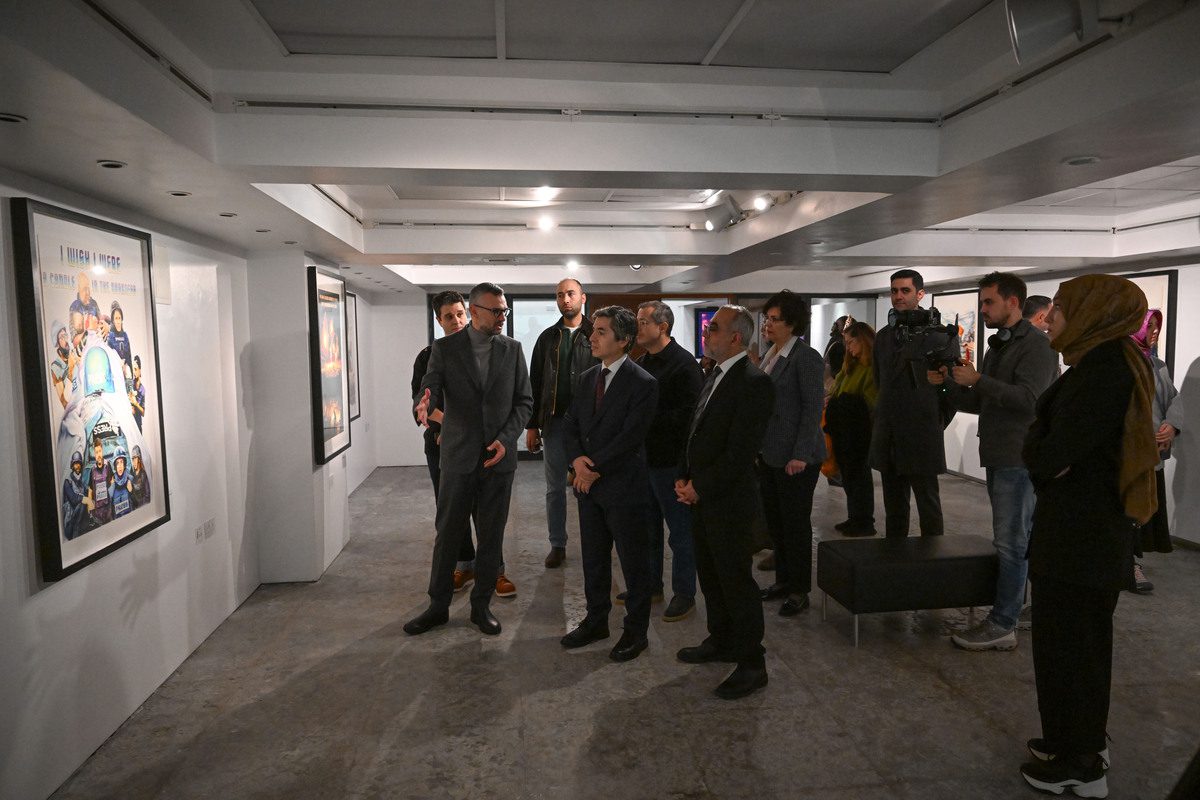
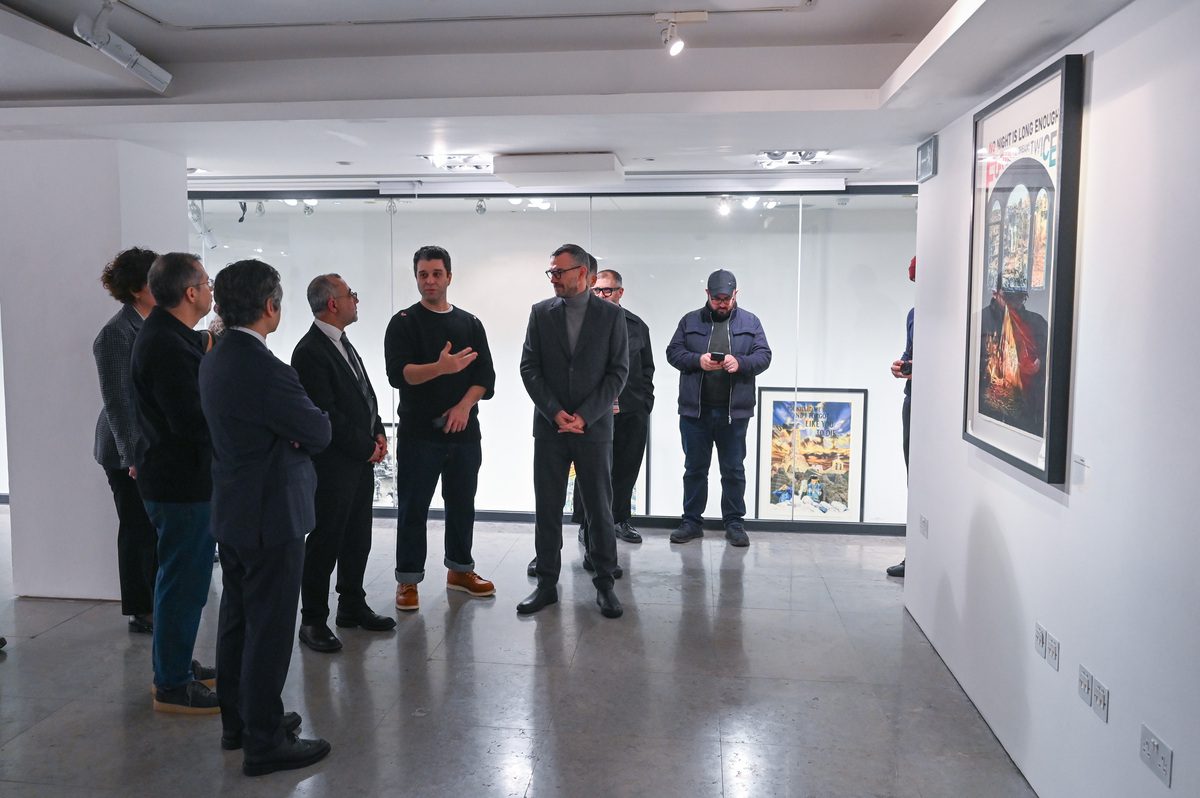
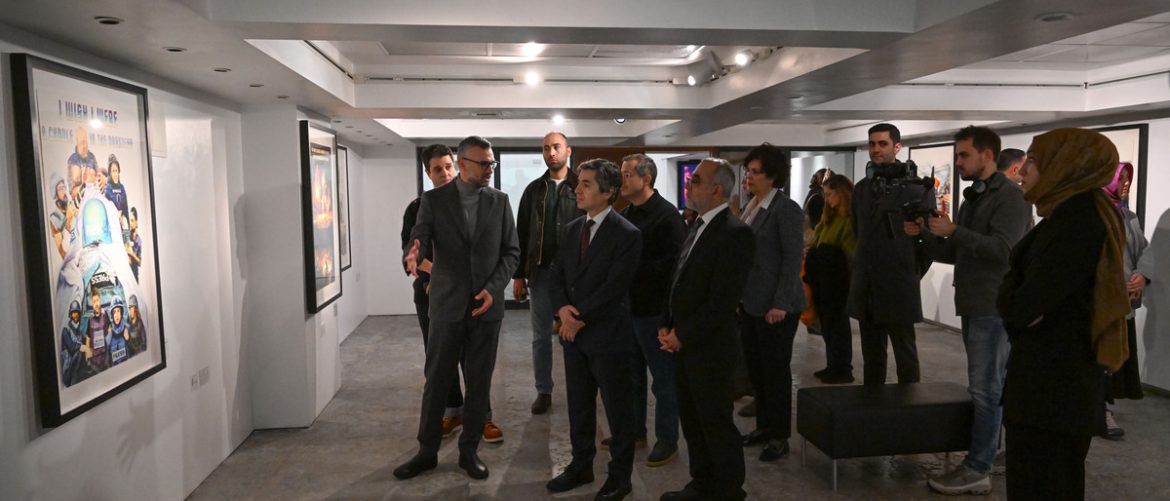
The Opening Night on 15th January served as a significant gathering for those who believed in the power of art to bear witness. Throughout its run until the end of the month, the exhibition – made possible through the sponsorship of the Yunus Emre Enstitüsü – London – provided a much-needed space for reflection, mourning, and the defiant act of remembering.
As visitors walked through the P21 Gallery, they were not merely observing an exhibition; they were participating in a communal refusal to let history be erased. Posters to the Olive Tree of Exile stood as a testament to the fact that even in the face of rupture, the roots of memory run deep.