 Yunus Emre Institute
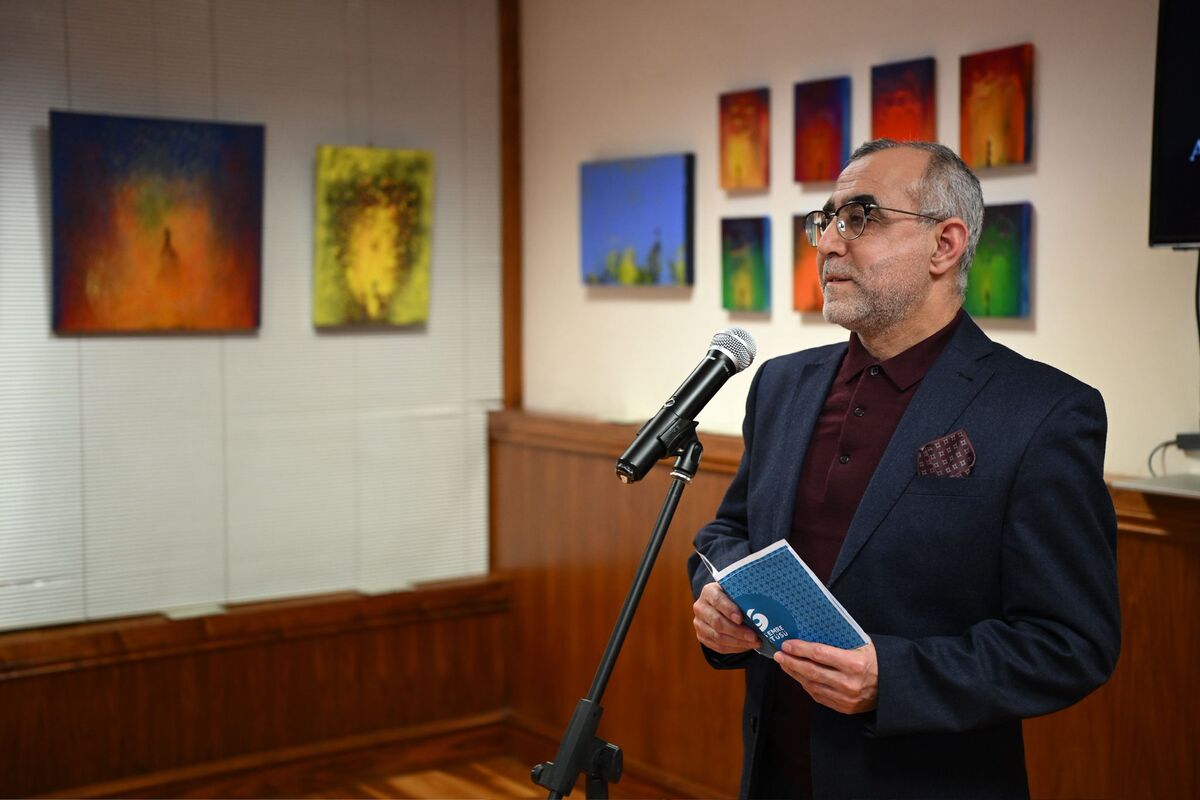
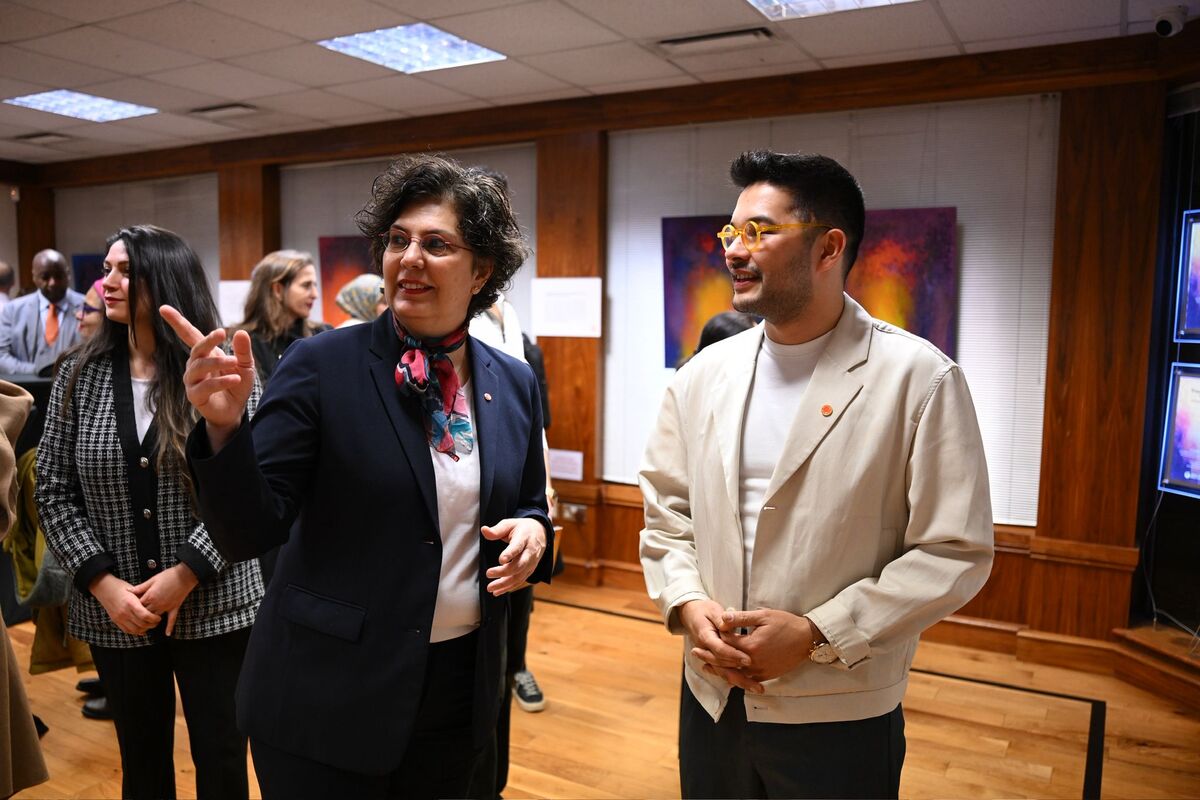
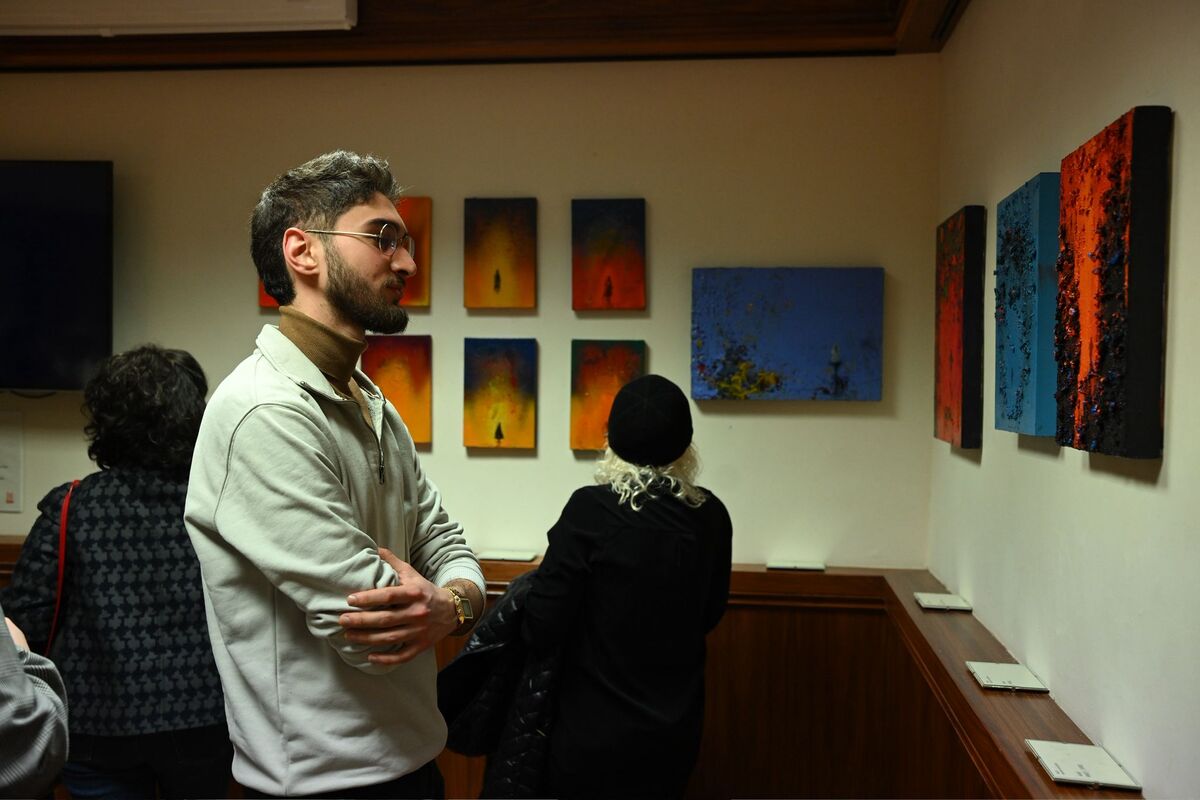
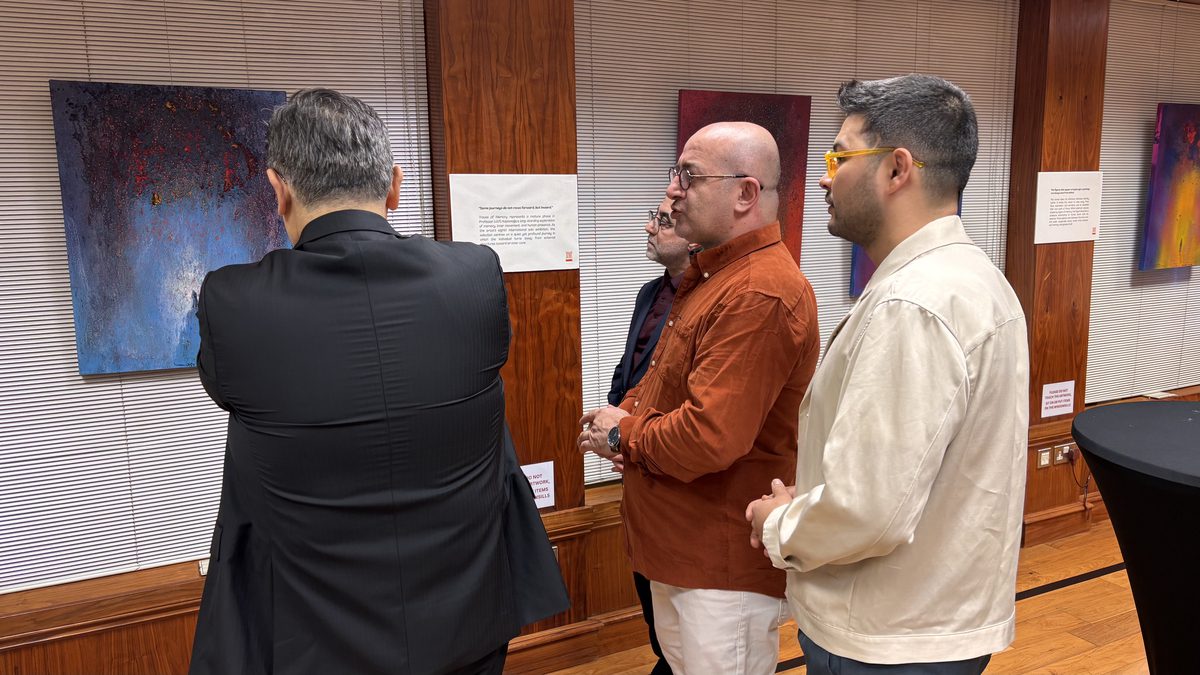
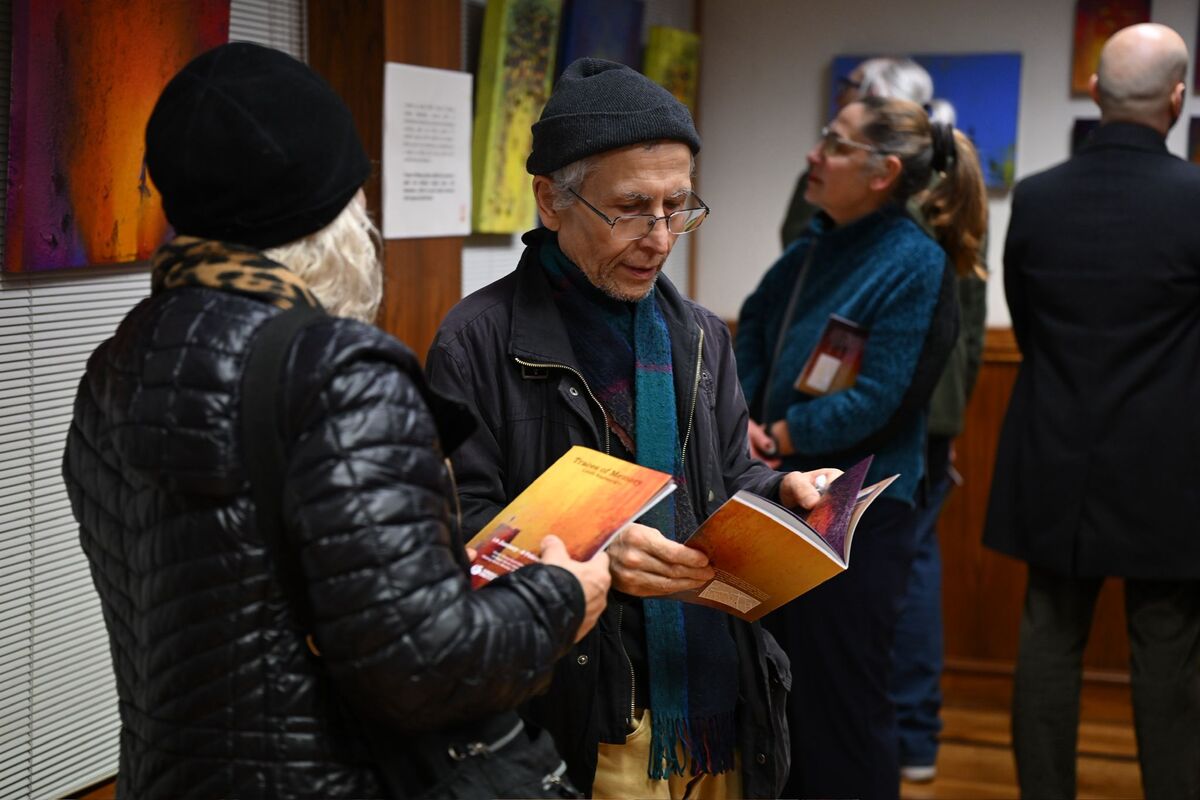
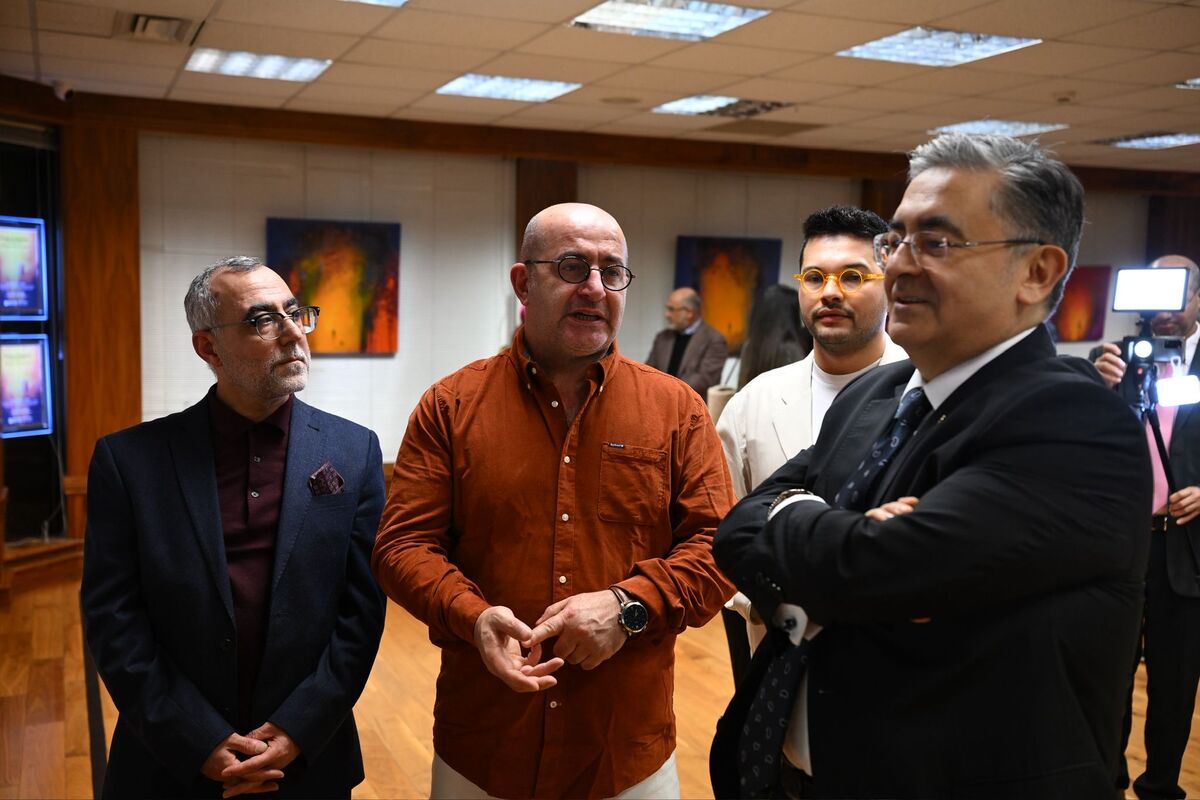
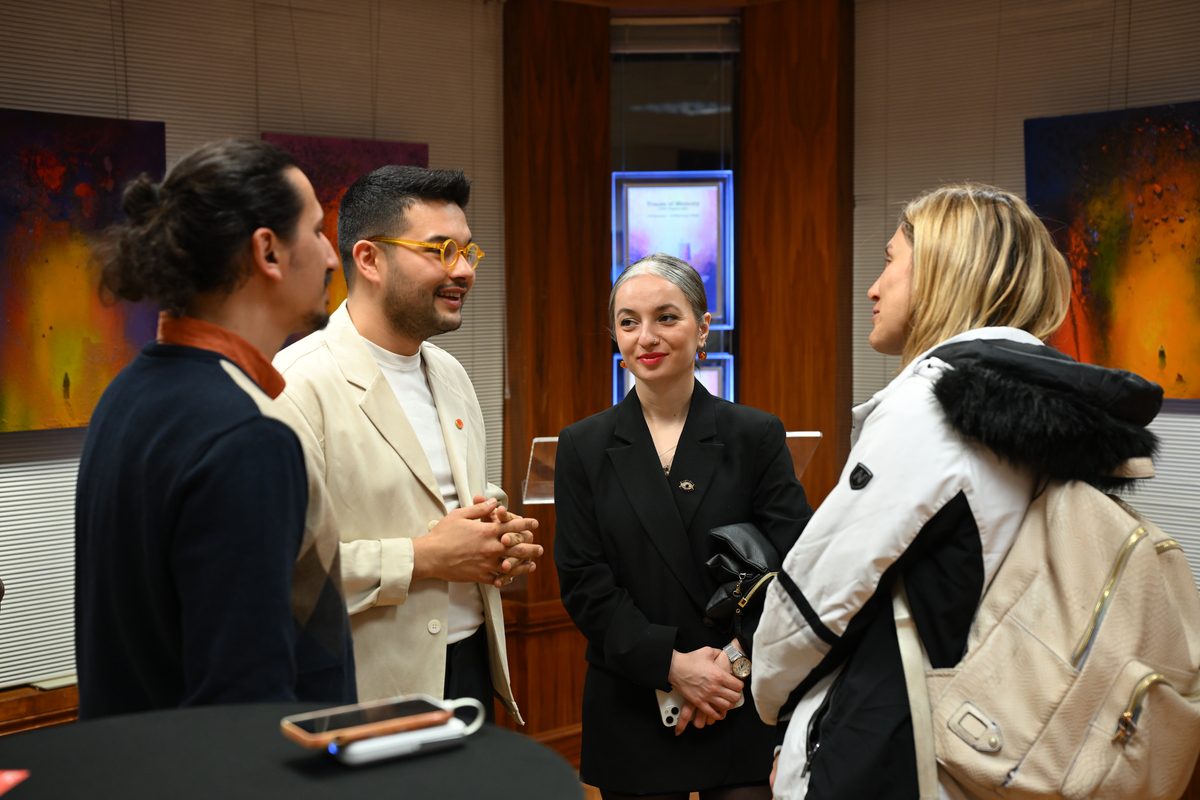
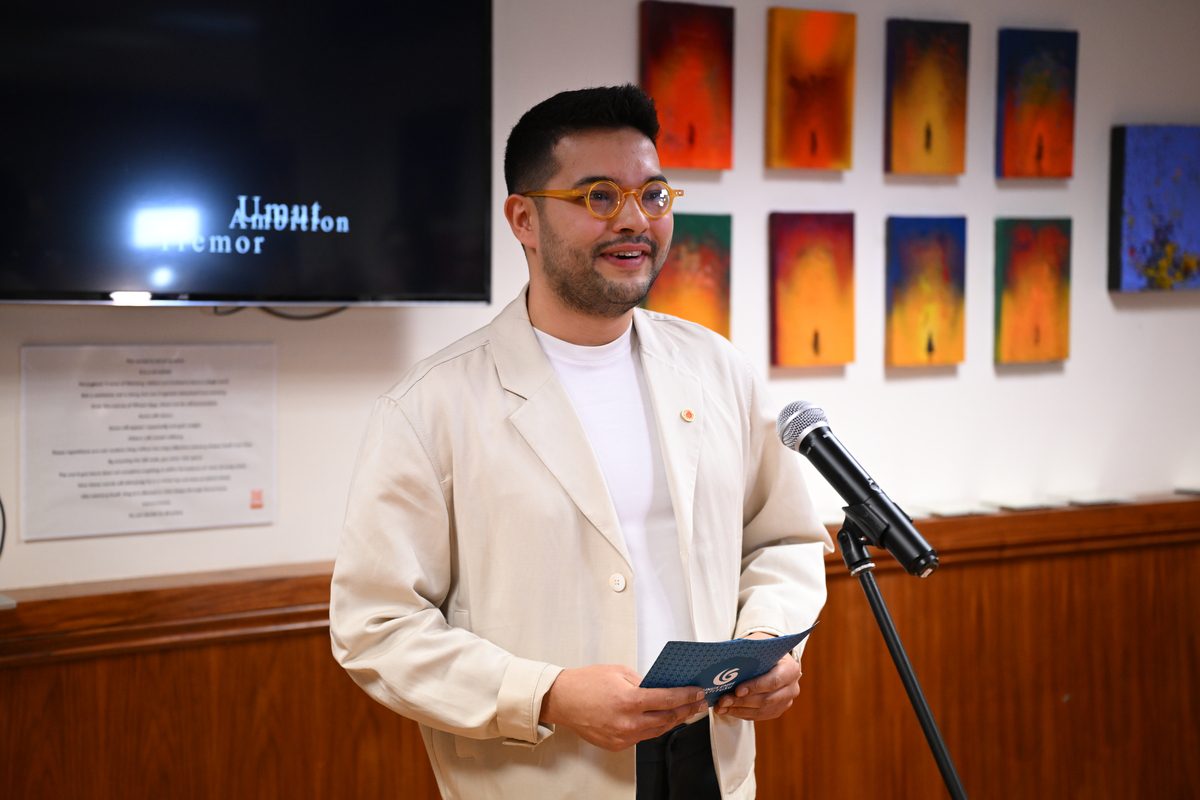
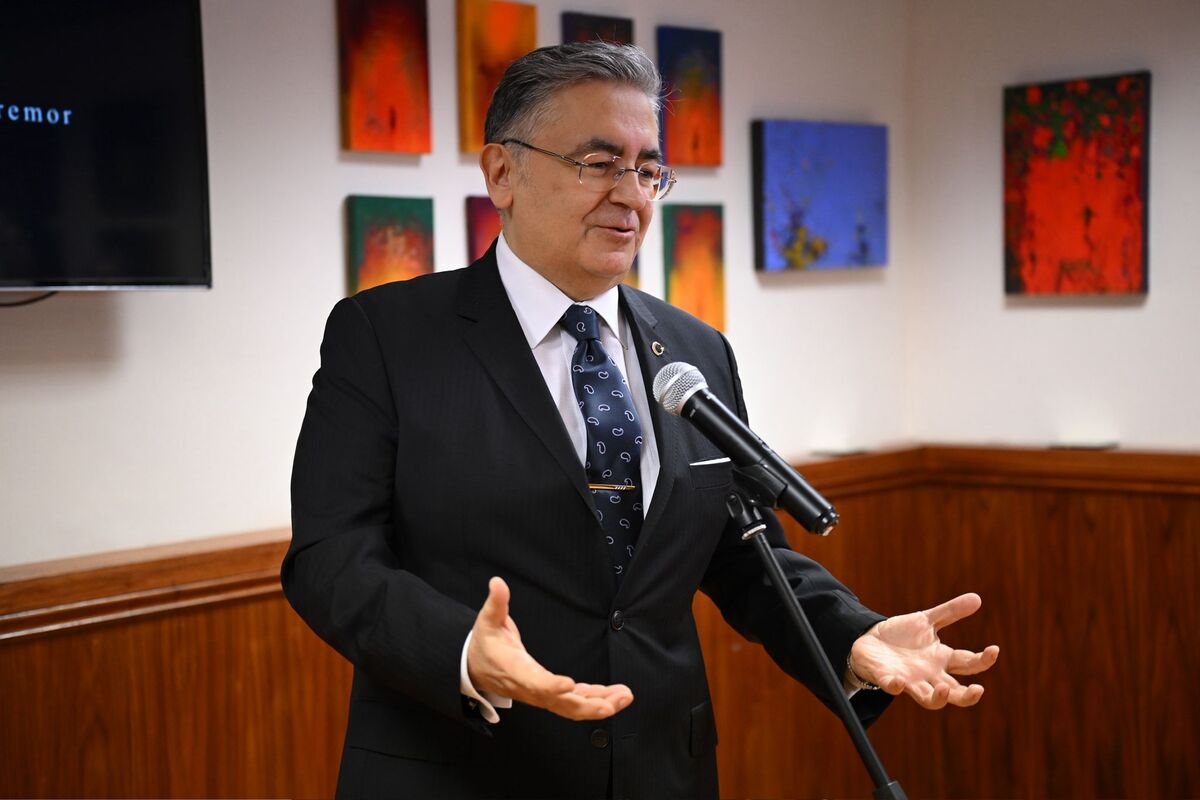
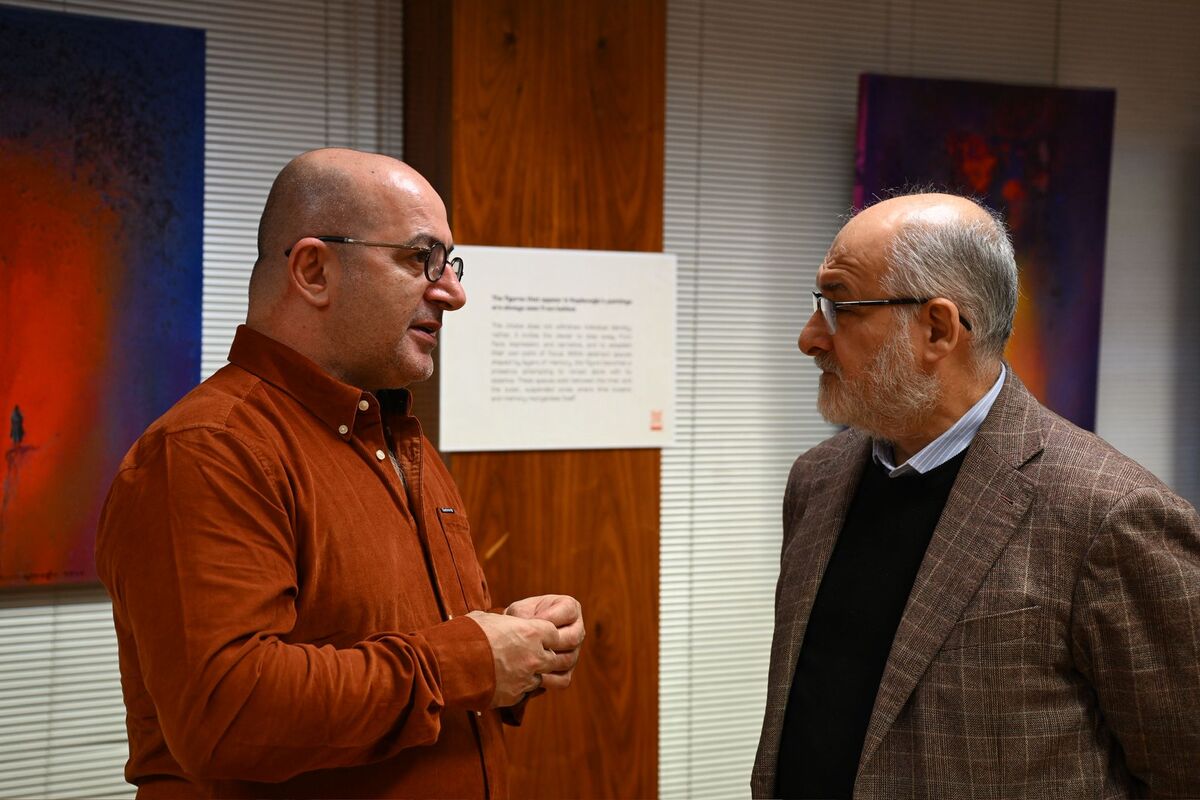
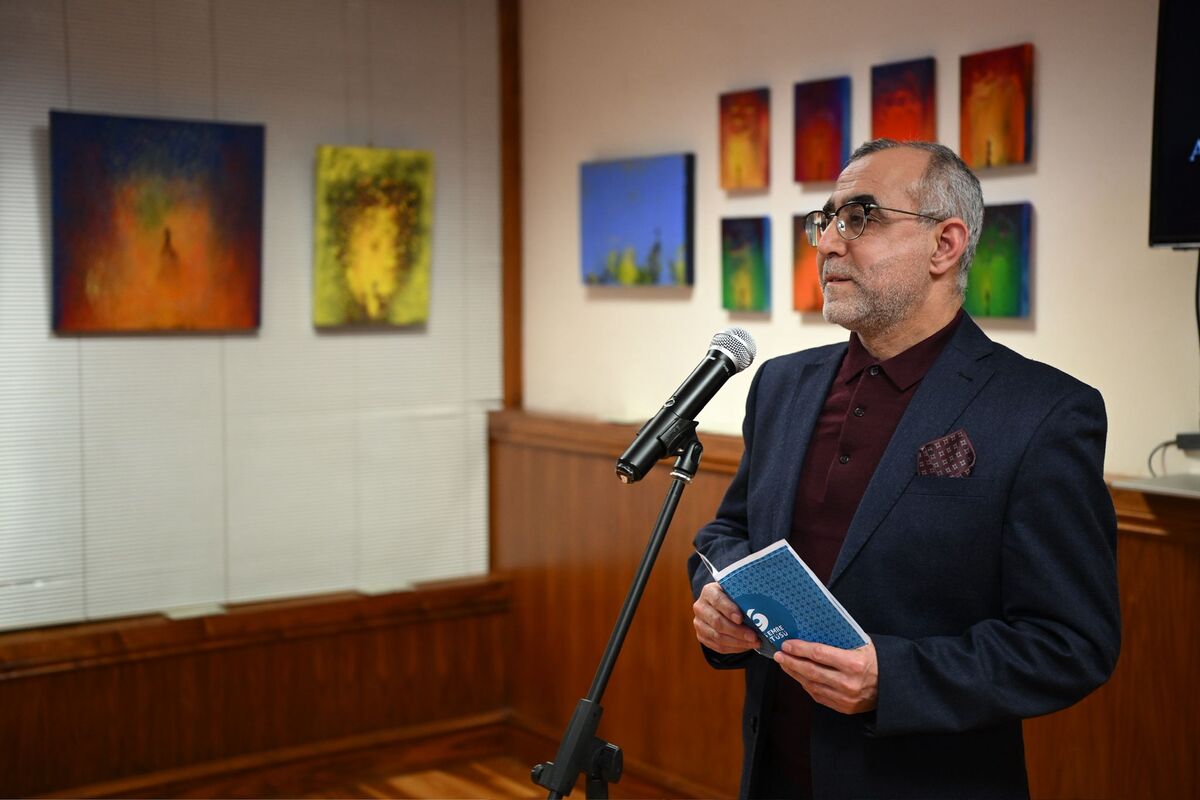
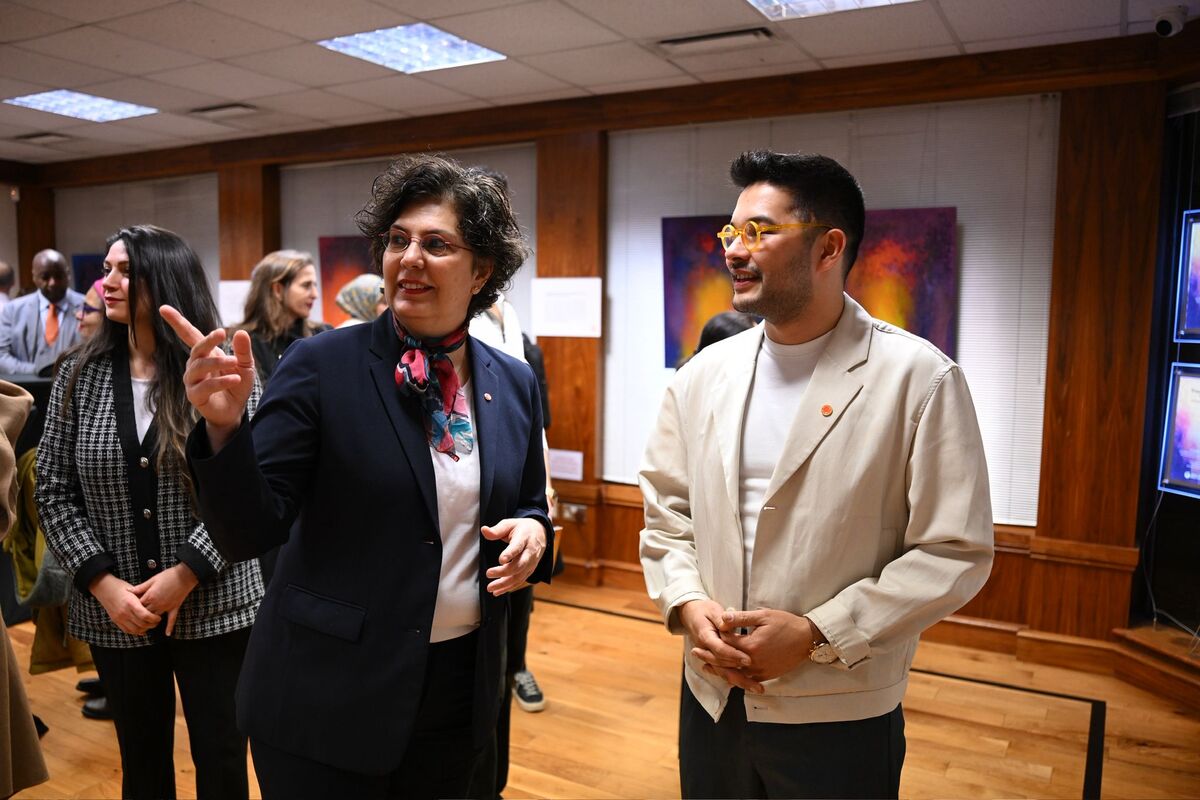
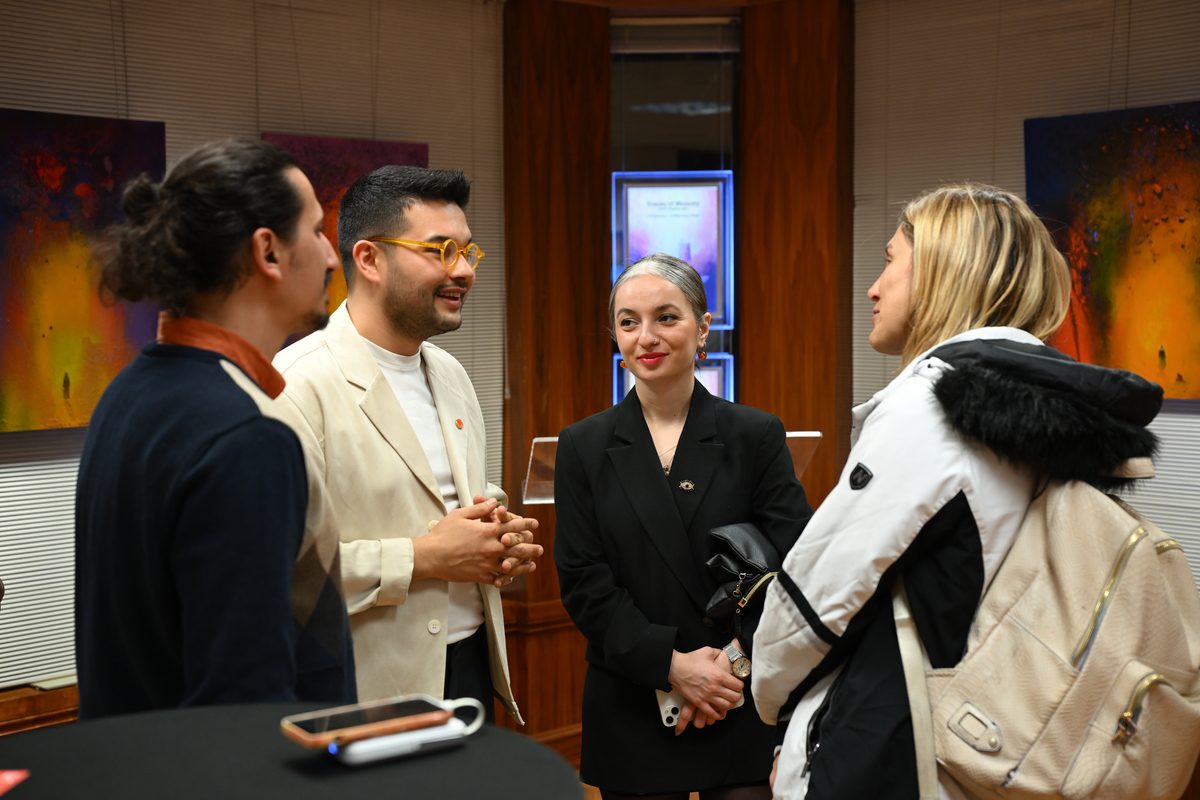
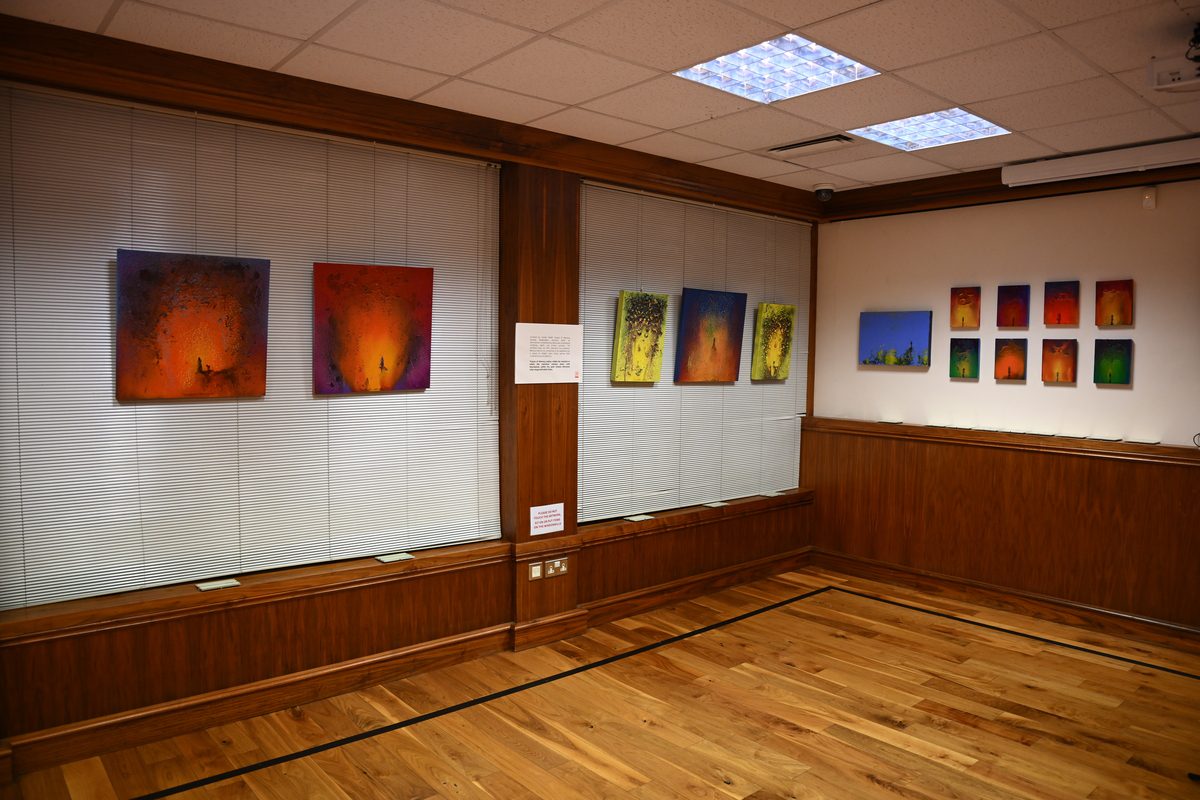
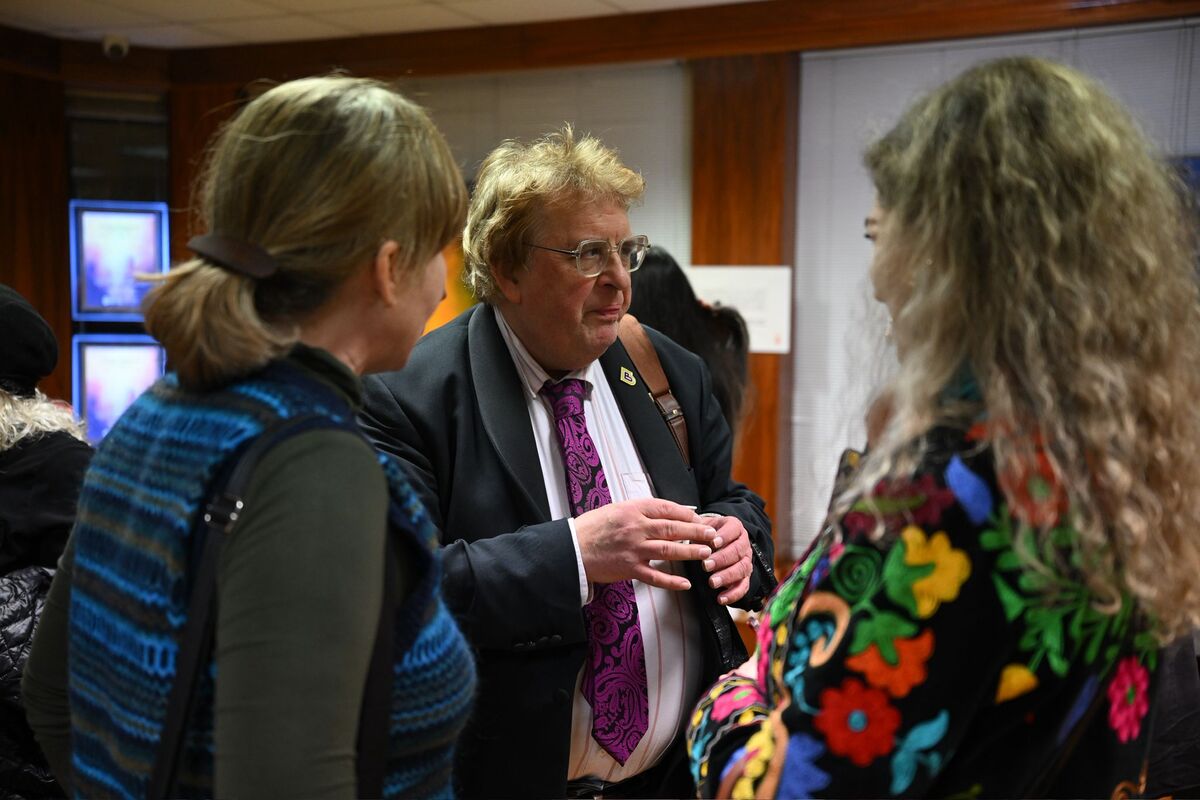
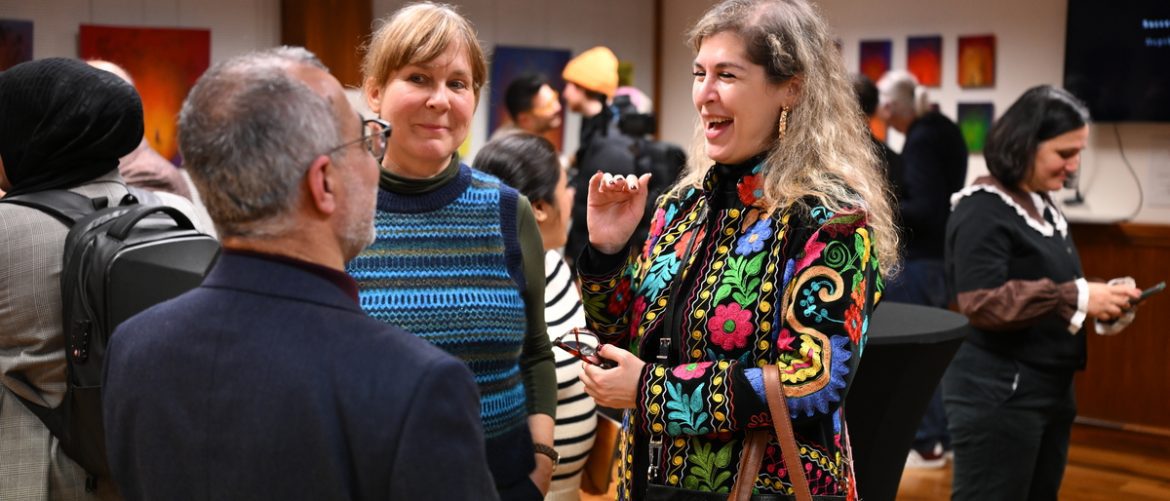
On the evening of 19 January, the Yunus Emre Enstitüsü – London became a quiet sanctuary for those moments in life that are too soft to be marked, yet too persistent to be forgotten. The exhibition “Traces of Memory” brought together the hauntingly beautiful works of Prof. Lütfü Kaplanoğlu, inviting the London community to step into a space where the boundaries between the viewer and the viewed began to dissolve.
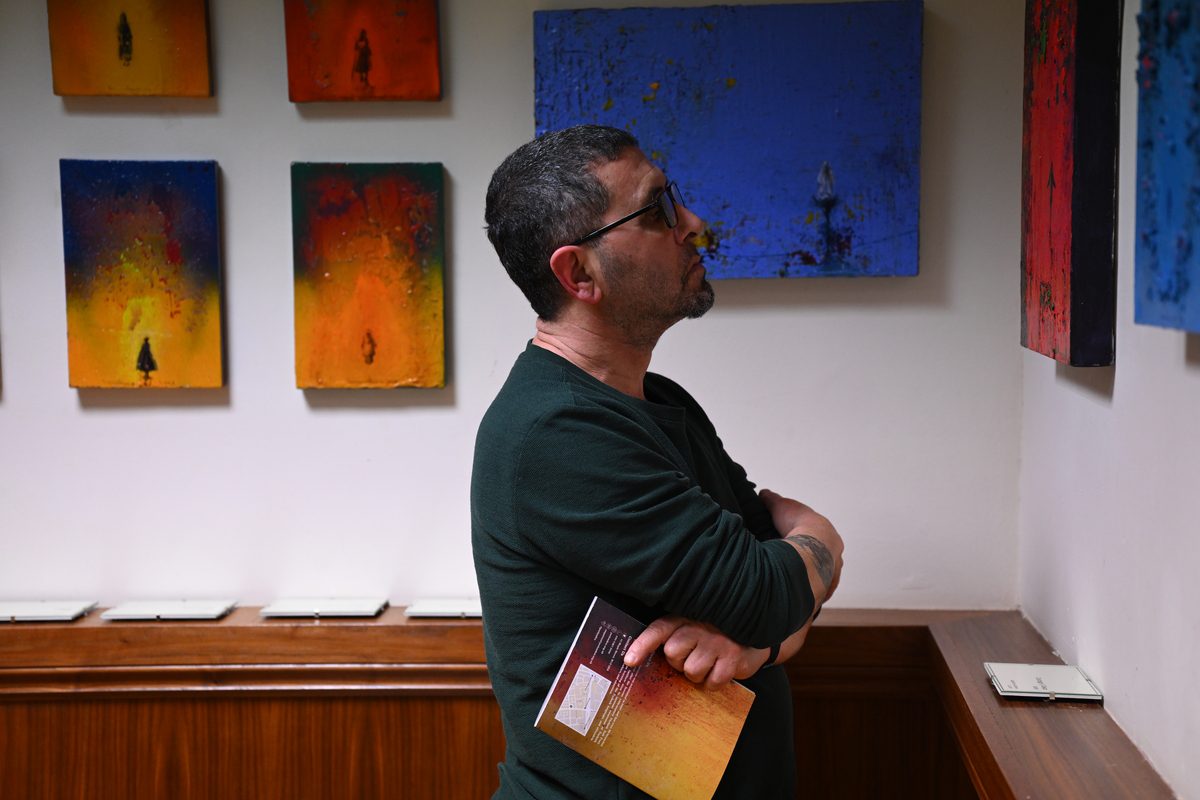
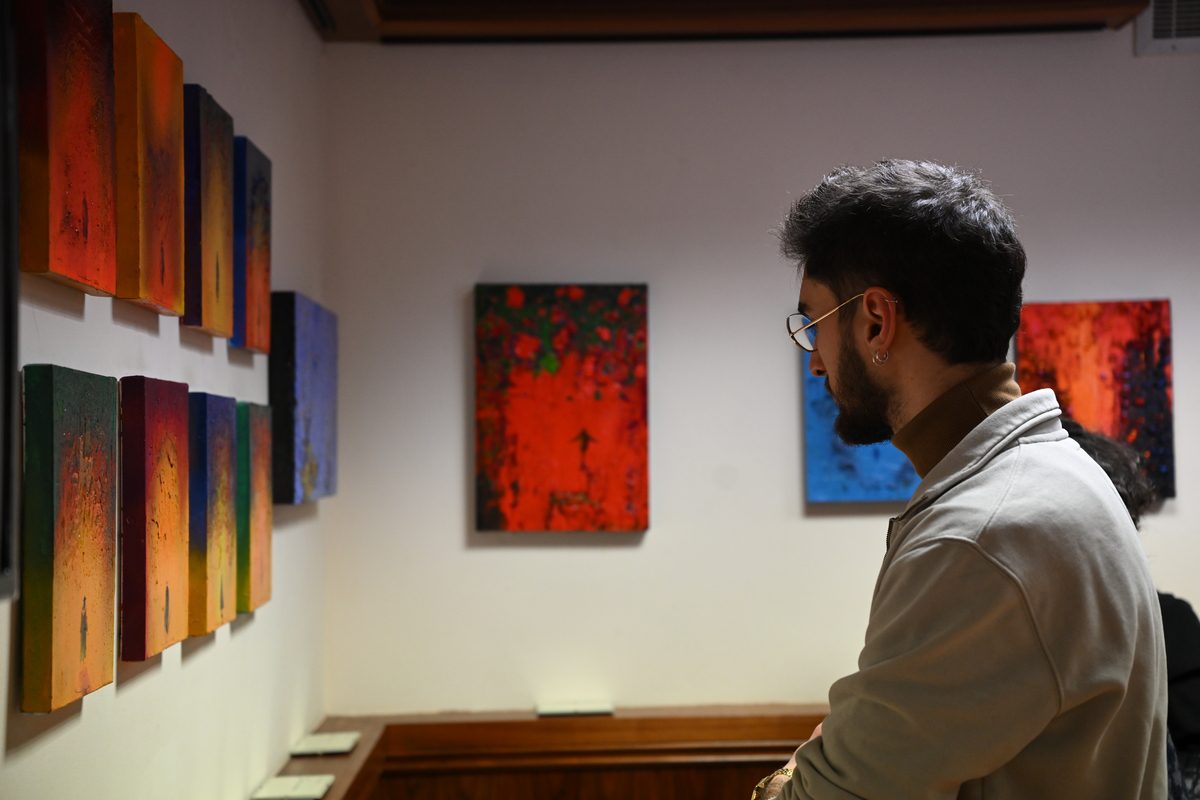
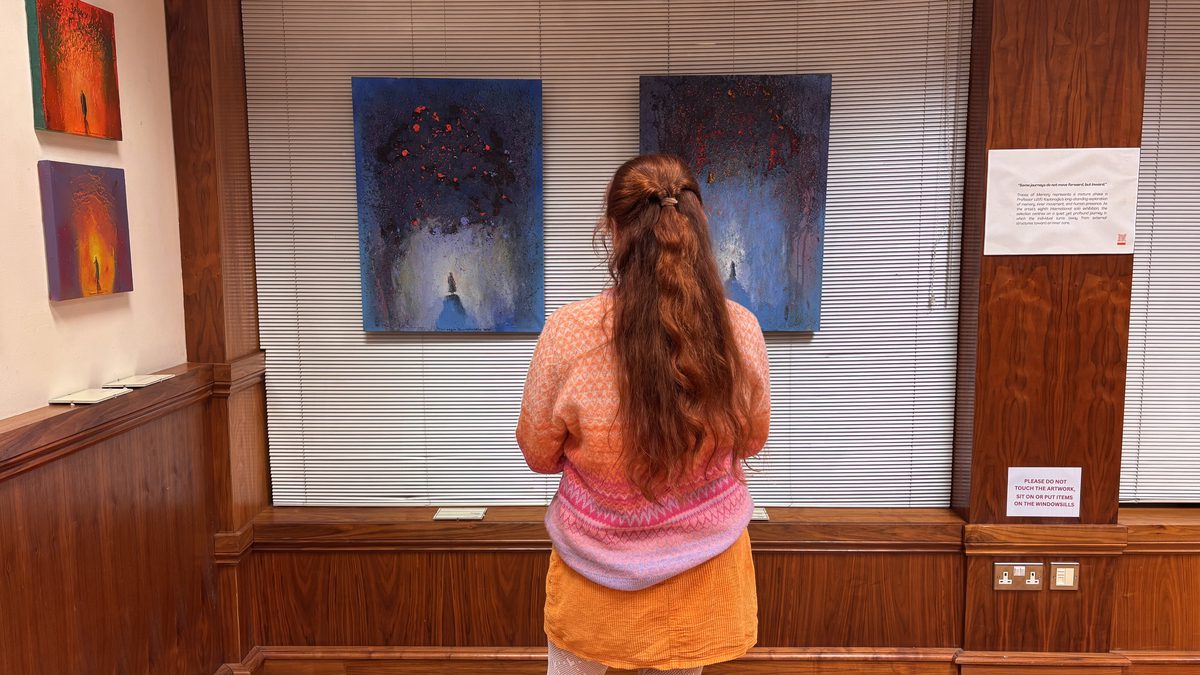
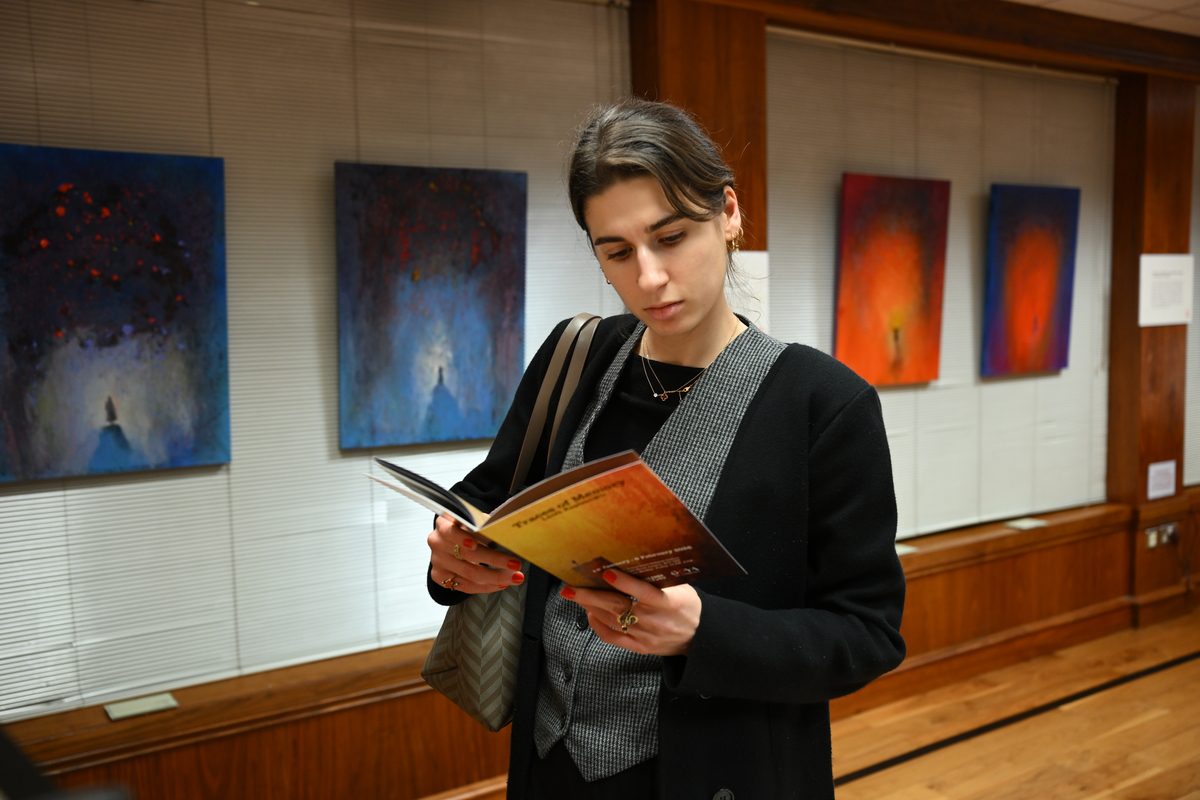
The centerpiece of the evening was Kaplanoğlu’s signature solitary figures, captured perpetually from behind. These are not merely anonymous bodies; they serve as mirrors for our own interior landscapes. As visitors moved through the gallery, the experience became one of quiet participation. By observing a figure that refuses to show its face, the viewer is forced to look inward, recognizing themselves not in a physical likeness, but in the sensation of standing behind someone once known and realizing that the moment is gone. The distance between the subject and the spectator vanished, leaving only memory as the medium.
The conceptual framework of the exhibition treated memory not as a static image, but as a “memory foam”—a soft material that bends, compresses, and reforms based on the weight of our experiences. It takes the shape of what we have lived, yet it never entirely returns to its original state. This idea was brought to life through a participatory installation known as the Memory Wall. Visitors were invited to leave a single word behind—whatever the paintings awakened in them—allowing the community to contribute to an emotional topography that grew throughout the evening.
By the end of the night, the Memory Wall had become a visual archive of echoes and contradictions. Some words stood alone in their intimacy, while others resonated collectively, shaping a shared map of what we remember and what we try not to forget. This collaborative element made visible what Kaplanoğlu’s paintings have always done: they hold the weight of the unseen. The exhibition proved that memory is not a solitary burden but a shared act, as each guest leaned into the work just as the figures on the canvas leaned toward their own unseen horizons.
As the lights eventually dimmed on this special session, the lingering atmosphere was one of profound connection. The exhibition reminded us that sometimes the clearest memories are those we can only approach from behind, and through Kaplanoğlu’s lens, the absence of a face became the most intimate presence of all. It was a testament to the power of art to turn individual traces into a collective story, leaving a lasting impression on all who attended.