 Yunus Emre Institute
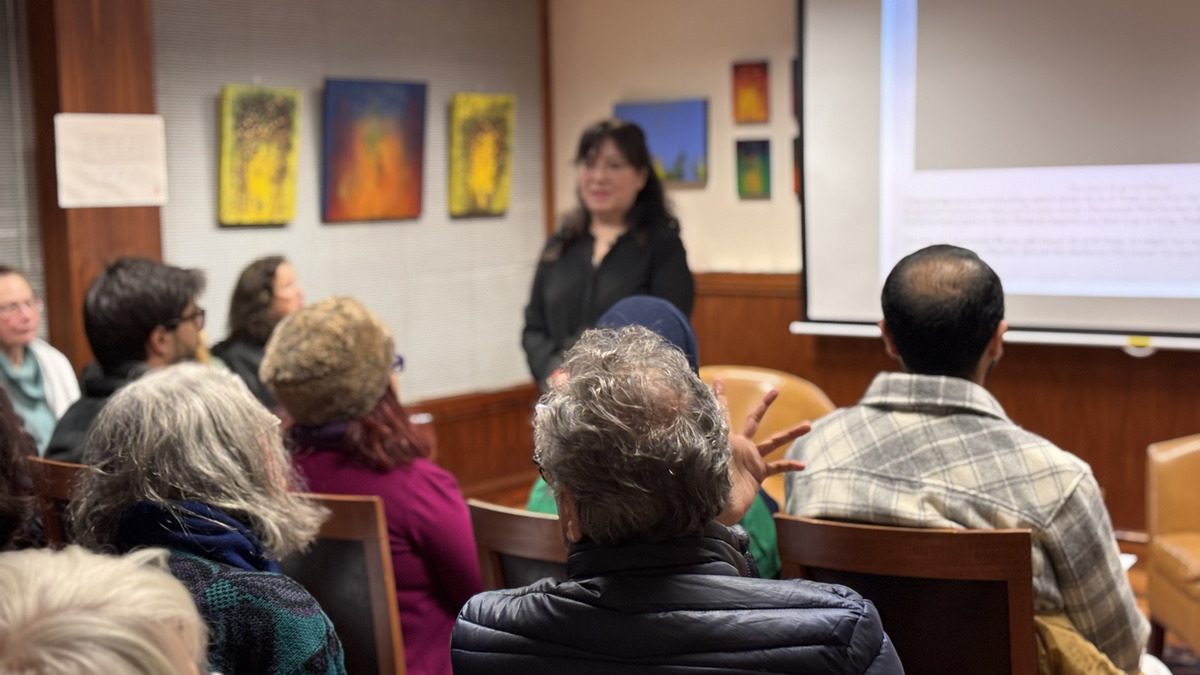
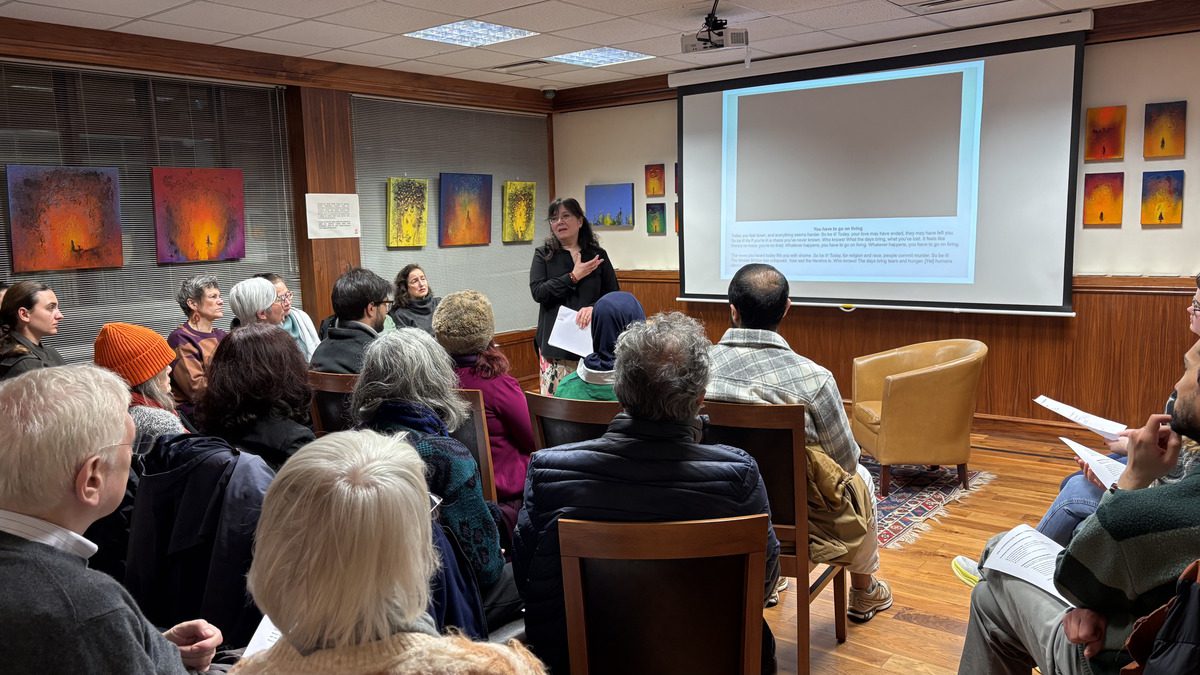
In the final week of January 2026, Yunus Emre Enstitüsü – London introduced a new rhythm to its cultural calendar with the inaugural session of the Listening Across Borders club. Under the expert guidance of musician and musicologist Prof. Dr. Mine Doğantan-Dack, the session focused on The Balkans, marking the beginning of a six-month journey through the melodies that weave Türkiye together with its closest neighbors.
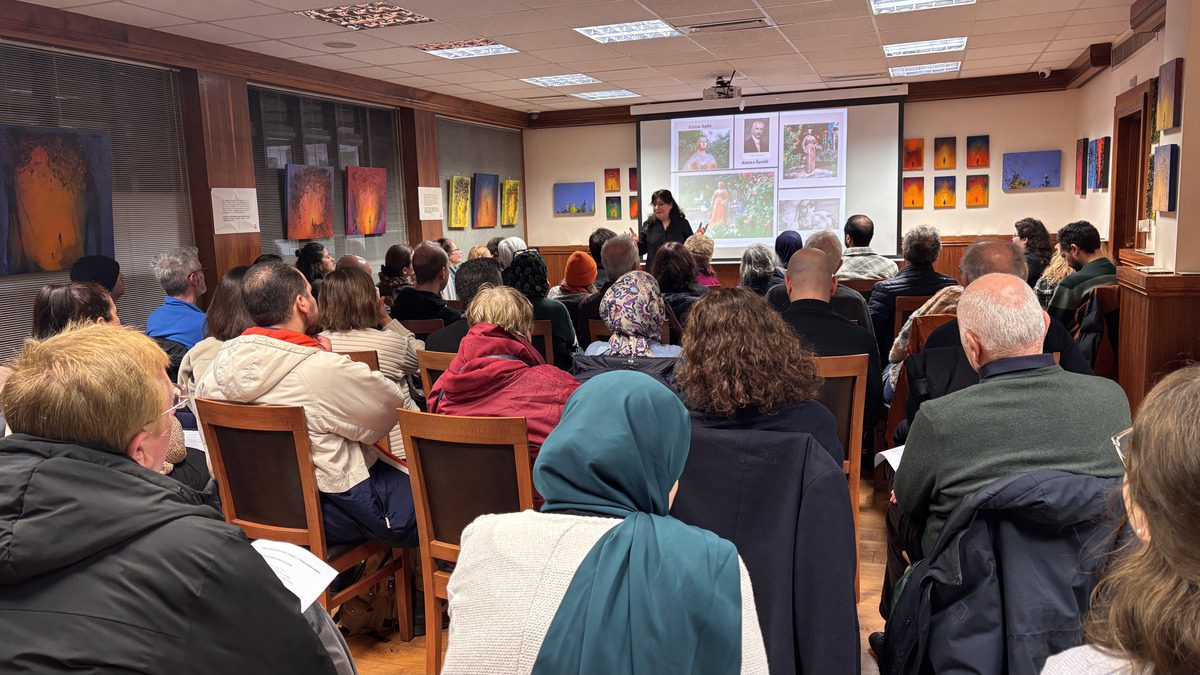
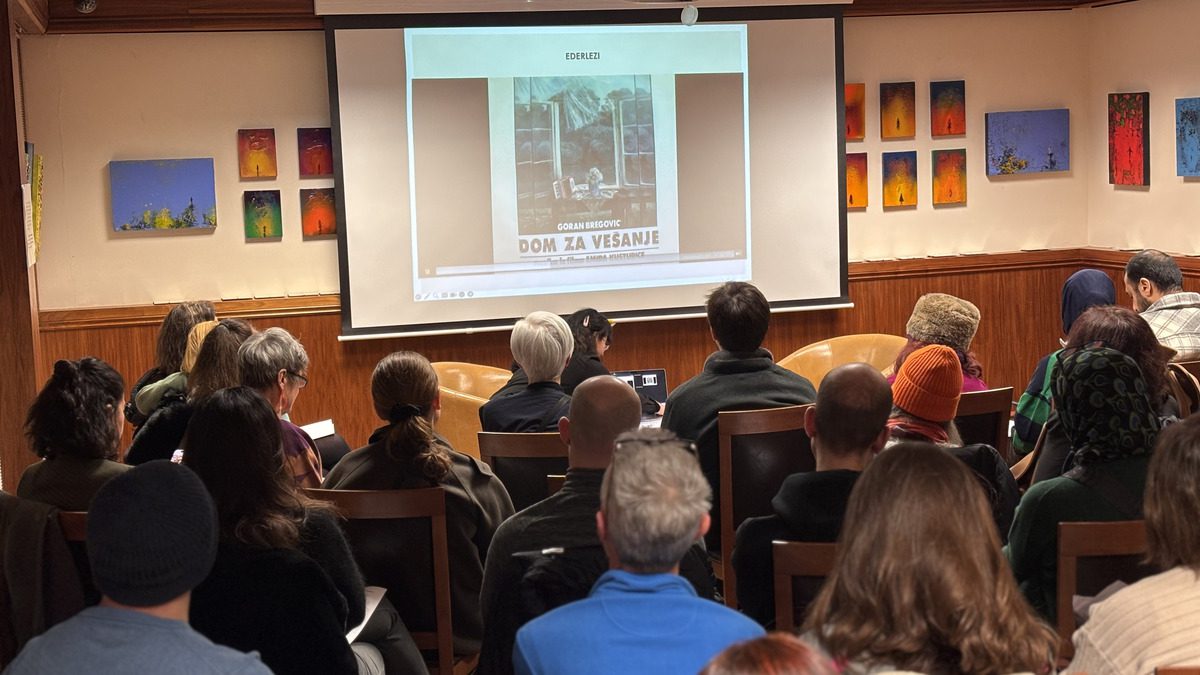
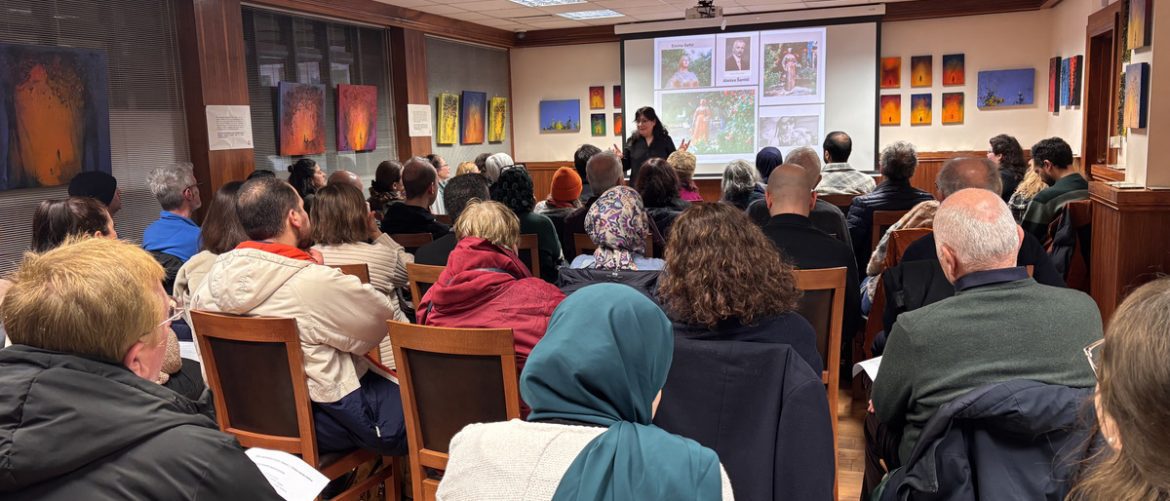
The session was far from a traditional lecture; it was a 90-minute immersive experience that transformed the audience into “musical travelers.” Prof. Dr. Doğantan-Dack led the group through the “architecture of sound,” unpacking the complex time signatures and soul-stirring melodies that define the Balkan Peninsula. Participants engaged in close listening, discovering how the region’s shared Ottoman heritage and local folk traditions created a rich, intertwined musical landscape where the boundaries between “us” and “them” began to dissolve.
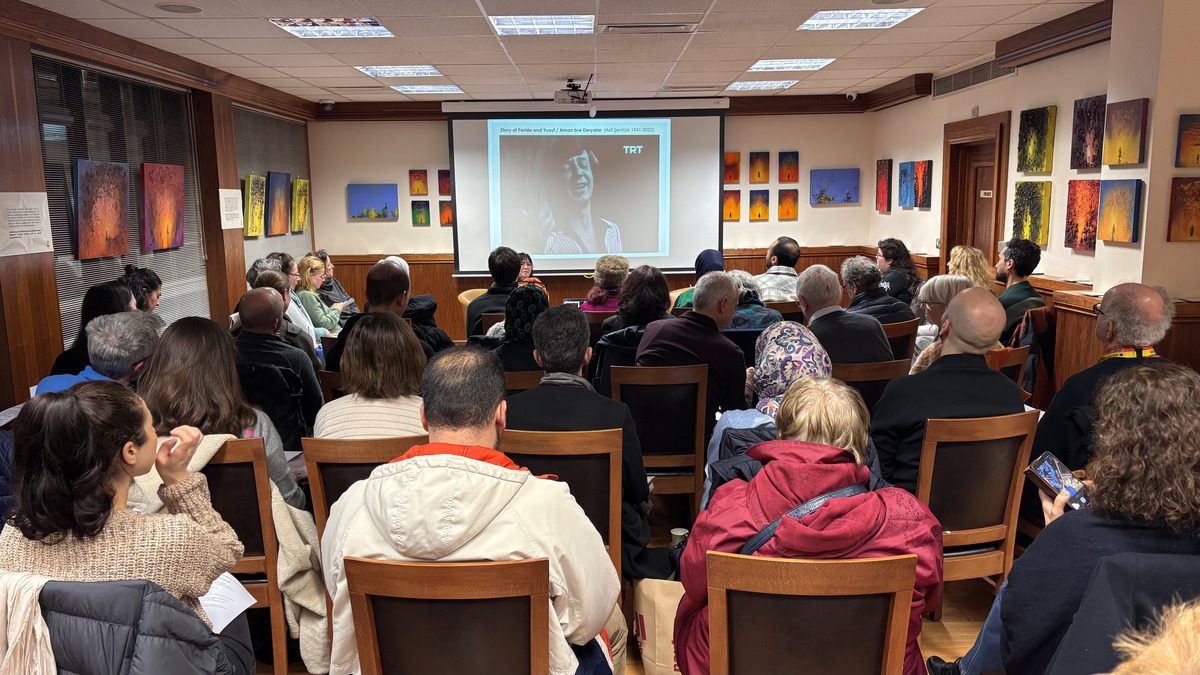
Through a curated selection of vocal and instrumental pieces, the club explored the music as a form of cultural glue. Using maps, visual aids, and recordings, the facilitator illuminated how instruments like the tambura and the kaval serve as storytellers for a history characterized by both rupture and deep-rooted connection.
The atmosphere in the room was one of collaborative exploration. This was a space where no prior musical training was required—only a sense of curiosity. The session encouraged a communal interpretation of the music, with attendees invited to respond to the rhythms in real-time. Some chose to write down their impressions as they listened, while others moved and clapped to the distinctive, asymmetrical meters that make Balkan music so vibrant and energetic.
By looking at the music of our neighbors, the session forced a reflection on the very concept of “neighborliness.” It became clear that the songs of the Balkans are not just external traditions but are deeply embedded in the Turkish musical psyche, representing a shared emotional topography that has survived through centuries of change.
The success of this first gathering was most evident in the lively conversations that continued long after the 90 minutes had concluded. As the group explored the “Balkan soul” together, the Enstitü felt less like a classroom and more like a shared home. This inaugural session set a high bar for the months to come, proving that music is perhaps the most effective tool we have for listening across borders.
As the Listening Club prepares for its next journey into the Levant, the echoes of the Balkan strings remain a testament to the power of shared sound. The Yunus Emre Enstitüsü – London continues to be a vital center where the diverse traditions of Türkiye and its cultural neighbors are not just performed, but lived and understood.